Two Spanish coastlines and two very different ways of living by the sea
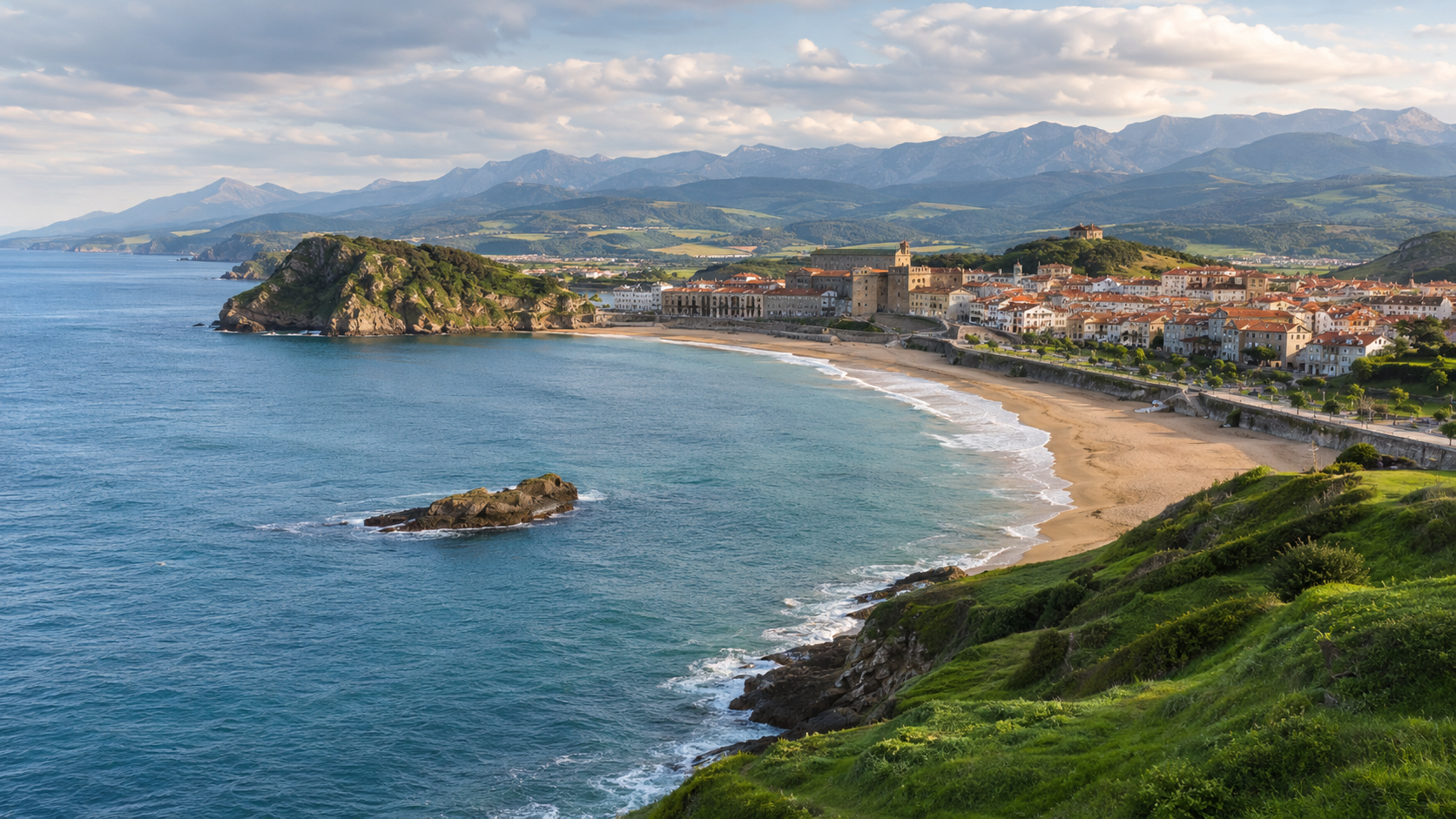
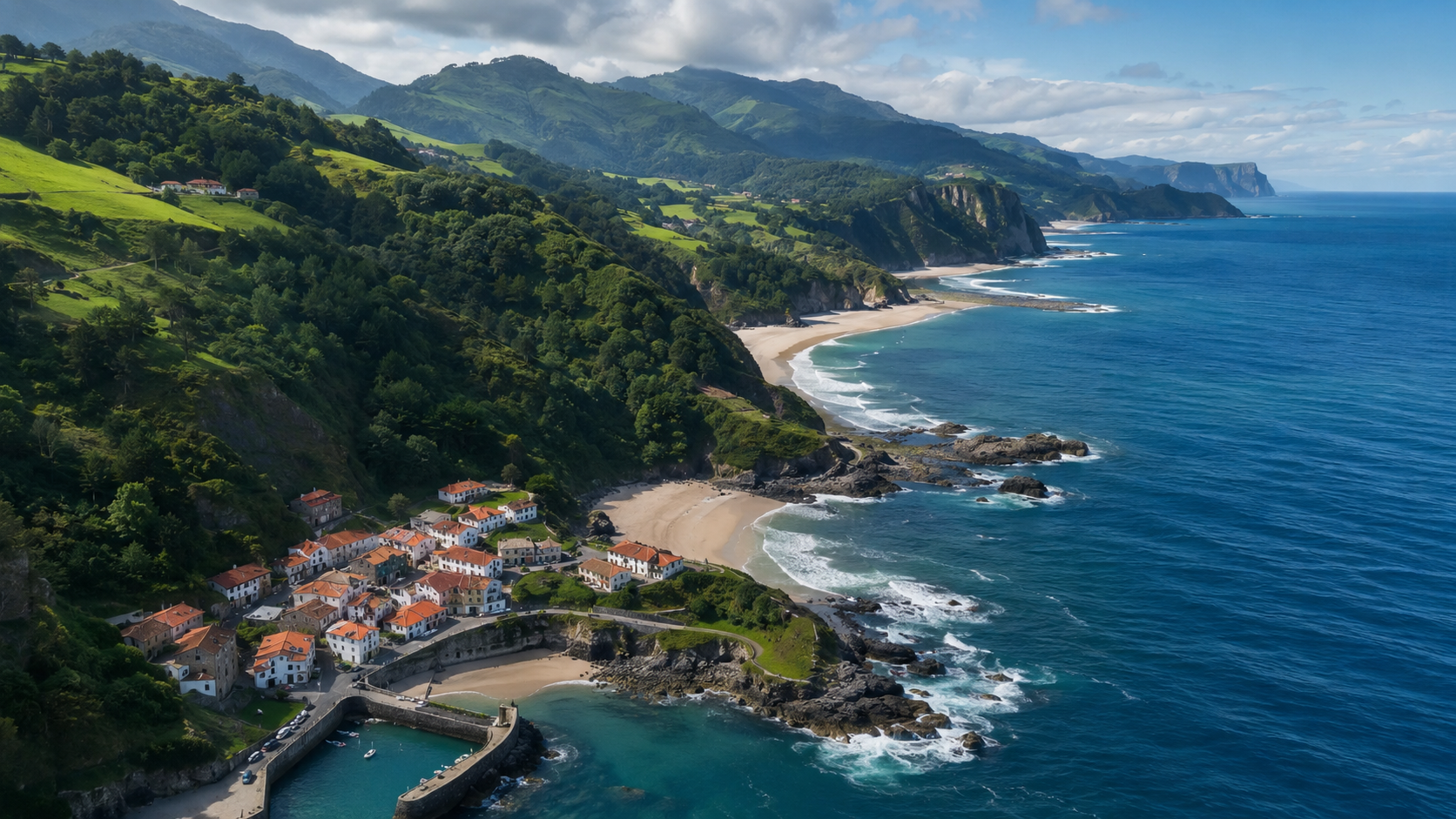
Northern and southern Spain offer almost opposite coastal experiences. Galicia, Asturias, Cantabria and the Basque Country combine beaches with cliffs, mountains and green countryside. Andalusia offers long beaches, promenades, marinas, more sunshine and an outdoor lifestyle extending through most of the year.
For decades, second-home buyers automatically associated reliable sunshine with the Mediterranean and southern Spain. Climate change, rising temperatures and increasingly intense heatwaves are now altering that perception. The north is becoming a more attractive summer alternative, while the south retains a major advantage during autumn, winter and spring.
This does not mean that the Cantabrian coast has literally become Mediterranean. It remains wetter, more variable and less sunny. However, its increasingly warm summers may appeal to buyers wishing to avoid extreme heat.
Climate change is reshaping Spain’s coastal map
According to AEMET, Spain’s average annual temperature rose by approximately 1.75°C between 1961 and 2025. The surface waters surrounding Spain have warmed by around 0.9°C since 1940, and every Spanish maritime region recorded above-normal temperatures in 2025.
The warming is not uniform. The Mediterranean recorded the highest anomalies, exceeding 1°C across extensive areas between Barcelona and Almería. Northern waters are also warming, but remain generally cooler and retain a strong oceanic character.
The north is therefore not a “new Mediterranean” because it will duplicate the south. It is emerging as a temperate coastal alternative, with more comfortable summer temperatures, cooler nights and greener landscapes.
Northern Spain: sea, mountains and green countryside
Northern frontline property has a distinctive visual identity. Beaches are often framed by headlands, cliffs, meadows, woodland and mountains. Buyers may enjoy sea views from their terrace while remaining only minutes from rural scenery.
San Sebastián, Zarautz, Laredo, Santander, Llanes, Ribadesella, Gijón, A Coruña, Sanxenxo and Baiona represent different versions of this relationship between town, nature and ocean.
The green landscape has an obvious counterpart: rainfall. Buyers must accept more cloud, changing weather and a traditionally shorter beach season. In return, the north provides milder summer conditions and landscapes that remain green throughout the warmer months.
Southern Spain: sunshine, the Mediterranean and outdoor living
The Costa del Sol, Costa Tropical, Costa de Almería and Costa de la Luz provide long sunny seasons, extensive promenades, terraces, restaurants, marinas and services designed for an international population.
Málaga, Estepona, Marbella, Fuengirola, Benalmádena, Nerja, Almuñécar, Roquetas de Mar and Cádiz allow owners to use their homes for much of the year. Mild winters are one of the south’s strongest advantages.
The disadvantage emerges during peak summer. Heatwaves are becoming more frequent and intense. Sea breezes help, but warm nights and high humidity can reduce comfort. Orientation, cross-ventilation, insulation, solar protection and efficient air conditioning are increasingly important.
Which sea is more enjoyable?
The southern Mediterranean generally offers warmer water, gentler waves and a longer swimming season. It is particularly suitable for families and buyers who want to swim for more months of the year.
The Cantabrian Sea and northern Atlantic provide cooler water, stronger tides and more energetic waves. They are especially attractive for surfing, sailing and buyers who prefer a more dynamic ocean.
Gastronomy: two outstanding traditions
Northern Spain is renowned for Cantabrian fish, Galician seafood, anchovies, octopus, hake, turbot, cheeses, cider, txakoli and high-quality meat. The Basque Country has an exceptional concentration of prestigious restaurants, but quality also extends to markets, seafood restaurants and traditional dining rooms.
Southern Spain offers fried fish, sardine skewers, red tuna, prawns, seafood, rice dishes, olive oil, vegetables, Iberian ham and tapas. In many towns, excellent food remains more affordable than in the most exclusive northern destinations.
Neither coast wins on quality. They offer different culinary identities. Prices depend heavily on the destination: San Sebastián can be expensive, while Marbella, Puerto Banús and Sotogrande are not low-cost markets.
Purchase prices: avoid geographical stereotypes
Northern Spain is not uniformly inexpensive. The Basque Country contains some of Spain’s most expensive residential markets. San Sebastián and selected areas of Biscay may exceed much of the Andalusian coast.
The south is equally diverse. Marbella, Estepona, Málaga and Sotogrande attract wealthy international demand, while parts of Almería, Granada, Huelva and Cádiz can offer lower entry prices.
Registry data for 2025 placed the overall average price at €3,295/m² in the Basque Country and €3,101/m² in Málaga province. These figures include all residential properties and are not frontline-specific, where prices may be considerably higher.
Rental seasons and occupancy
The south offers a longer potential season, attracting visitors during spring, autumn and winter. The Costa del Sol also benefits from golf, remote work, long stays and established international demand.
The north traditionally concentrates demand in summer, Easter and holiday weekends. Gastronomy, nature, surfing and more moderate summer temperatures may gradually extend that calendar.
Northern frontline homes can achieve strong peak-season rates when they offer views, terraces, parking and direct beach access, but annual occupancy may be less consistent. The south offers more months of demand but also greater competition.
Maintenance on the frontline
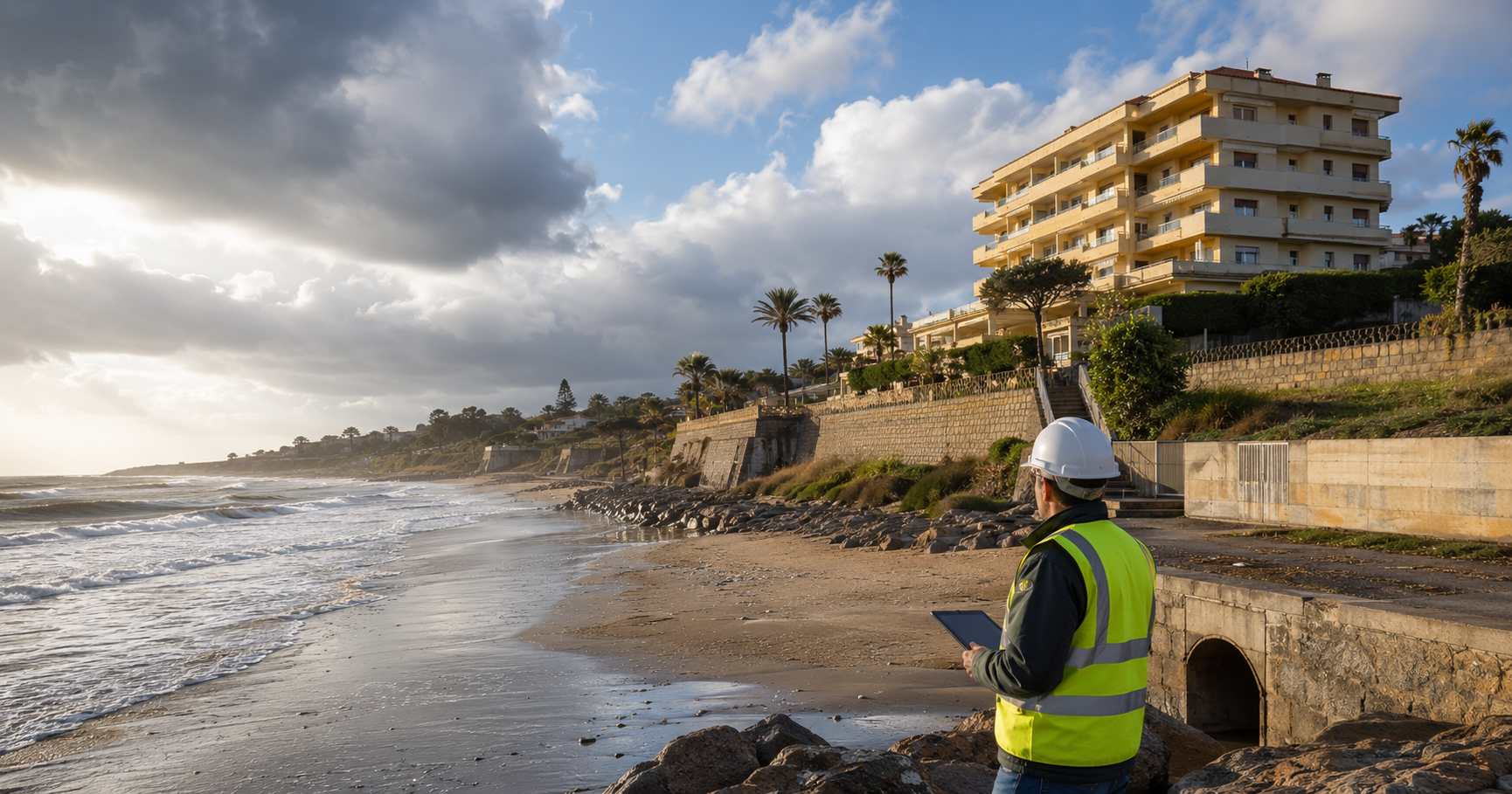
In the north, rain, humidity and wind require careful attention to façades, roofs, seals, windows, insulation and ventilation. Homes left closed for long periods may suffer condensation.
In the south, intense sunlight, ultraviolet radiation, salt, sand and heat affect paintwork, awnings, outdoor furniture and cooling systems. Electricity consumption during heatwaves must also be considered.
Salt exposure is a permanent risk on both coasts. Metalwork, railings, windows and outdoor electrical installations require more maintenance than comparable inland properties.
Where is the strongest appreciation potential?
The south has an established international market, stronger recognition among foreign buyers and a longer tourism season. This supports liquidity, although much of the potential is already reflected in premium prices.
The north may offer an earlier opportunity in towns with limited international exposure and genuinely scarce frontline supply. If summers continue to warm, green temperate coasts could attract more Spanish and European buyers seeking relief from extreme heat.
Northern vs. southern Spain: the verdict
- More moderate summers: north.
- Milder winters and more sunshine: south.
- Longer swimming season: south.
- Green and mountainous scenery: north.
- Year-round outdoor lifestyle: south.
- Established international market: south.
- Emerging-market potential: selected northern locations.
- Food: an outstanding draw, with different identities.
Which is the better investment?
For buyers prioritising rental demand, international liquidity, winter use and commercial predictability, southern Spain currently offers the more established investment.
For buyers seeking more comfortable summers, nature and the possibility of entering an emerging market before demand becomes fully international, northern frontline property may offer stronger long-term strategic potential.
The south is today’s consolidated choice. The north may be tomorrow’s more interesting opportunity. In either case, the true source of value remains an authentic, protected and irreplaceable position directly facing the sea.
José Luis Castilla