The decision must reflect real use
Buying by the sea means balancing emotion with the way the property will actually work. Direct access, views, privacy, wind and price: every level offers a different experience. There is no universal answer: the right choice depends on use, budget, the building and future demand.
Why this question changes the value of the purchase
In a coastal property, a seemingly secondary decision can affect frequency of use, maintenance, rental demand and resale. On the frontline these differences become stronger because the location commands more demand but also involves greater environmental exposure and a higher entry price. Each feature must therefore be assessed as part of the whole property.
What the buyer should analyse
The decisive elements are:
Ground: terrace and easy access, but less privacy and more exposure.
Begin with daily usefulness. A feature that looks attractive in photographs must be tested against the seasons, travel patterns, mobility and actual routine of the people who will occupy the home.
Middle: balance between views, protection and price.
Then compare it with a genuine alternative in the same building or an equivalent location. Calculate the price premium, related expenses and whether the difference delivers lasting comfort or only a personal preference that may be hard to recover on resale.
Penthouse: panorama and exclusivity, but more wind, sun and lift dependence.
Also test the least favourable conditions: storms, heat, wind, a full building, a lift failure, a closed home or necessary works. A valuable feature should remain functional outside the calm conditions of a spring viewing.
Verify that views cannot be blocked and terrace ownership is clear.
Finally, turn the marketing claim into evidence. Check dimensions, ownership, rules, physical condition, quotations and relevant records. Anything that cannot be demonstrated should be valued cautiously rather than paid for as a guaranteed advantage.
How to compare without being misled by first impressions
Compare homes with similar price, size and location. Visit in high and low season, observe how the surroundings work and calculate total ownership cost over several years. Separate a personal preference—which may justify paying more—from a feature valued by a broad future market.
The frontline seafront perspective
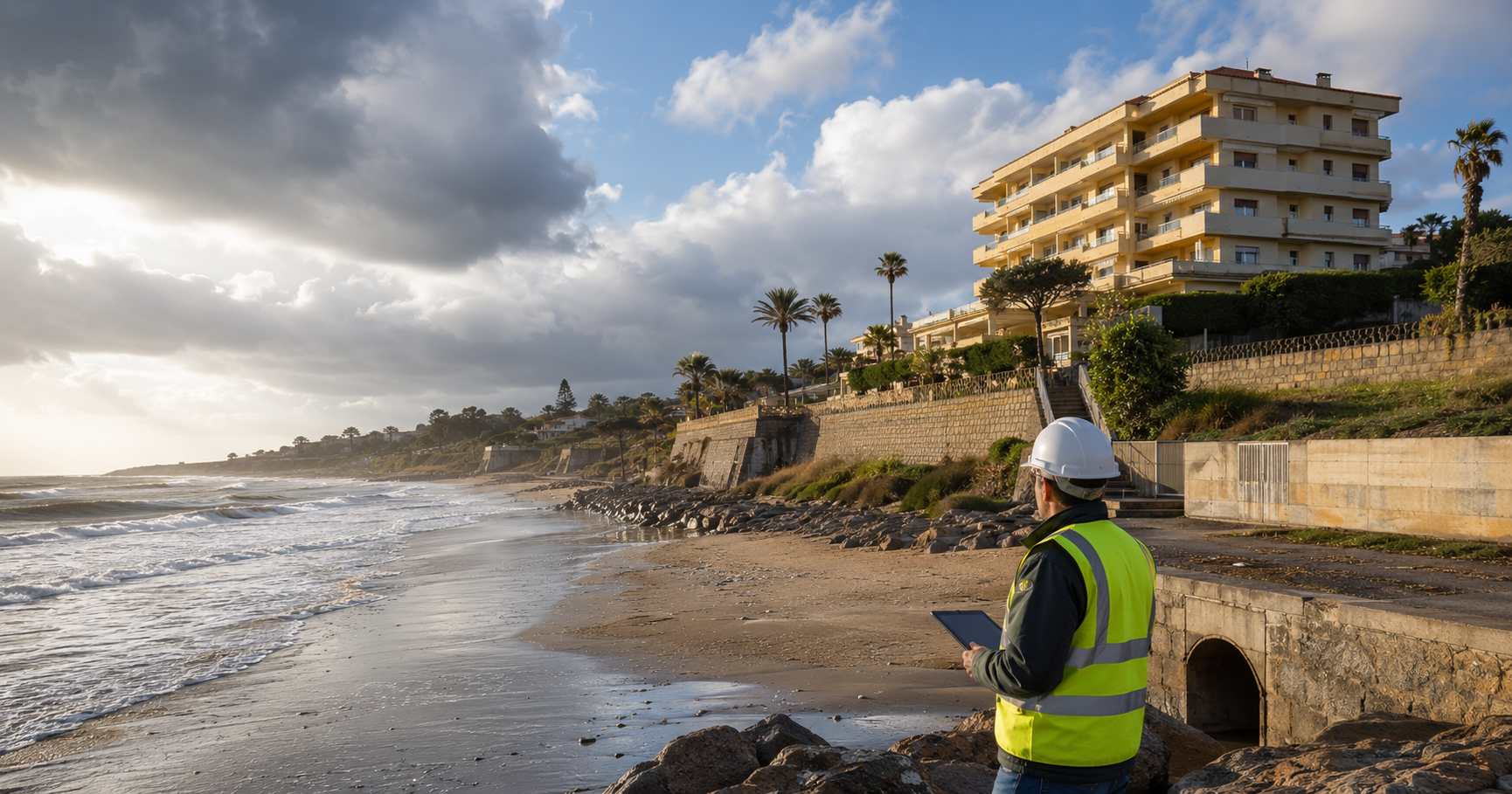
On the frontline, views, access, wind, humidity, salt and solar exposure affect value and running costs. An apparent advantage can become a problem if it is not assessed within the actual building and location.
Benefits, drawbacks and buyer profile
The answer depends on the buyer. Frequent users value different features from owners staying two months a year or renting the property. Families often prioritise access, safety and services; long-stay owners, comfort and costs; investors, demand, management and liquidity. The chosen option should suit its main use without unnecessarily narrowing resale demand.
A practical test before deciding
Imagine the home occupied in August, closed for several winter weeks and offered for sale ten years from now. Ask whether the feature remains an advantage in all three situations. This test moves the decision beyond photographs and reveals choices that work only during a short viewing.
Recommended documents and checks
- Land Registry extract and consistency with cadastral and physical reality.
- Community statutes, internal rules and several sets of meeting minutes.
- Fees, accounts, reserve fund and approved or foreseeable assessments.
- Physical condition and a corrective quotation where appropriate.
- Municipal, regional and sector-specific rules affecting the intended use.
- Comparable sale and rental demand, not only advertised asking prices.
Checks before signing
Before purchasing, verify documents, physical condition, expenses, owners' meeting minutes, restrictions, accessibility and resale demand. Marketing claims do not replace independent technical and legal checks.
Conclusion
The best option is the one that preserves usefulness, comfort and demand for years, not simply the one that creates the strongest impression during a summer viewing. Genuine frontline positioning creates scarcity, but it does not repair a poor choice within the building or town. Buying well combines sea position, functionality and documentary security.
José Luis Castilla