How we selected the towns of la Costa da Morte
Choosing the most beautiful towns of la Costa da Morte is not simply a matter of ranking photographs. A frontline buyer must consider the true relationship with the sea, the quality of the beach or promenade, year-round life, access, building condition and future demand. This guide examines 8 different locations. It does not claim one universal winner; it helps buyers identify the setting that fits their intended use.
Beauty does not replace a sound purchase
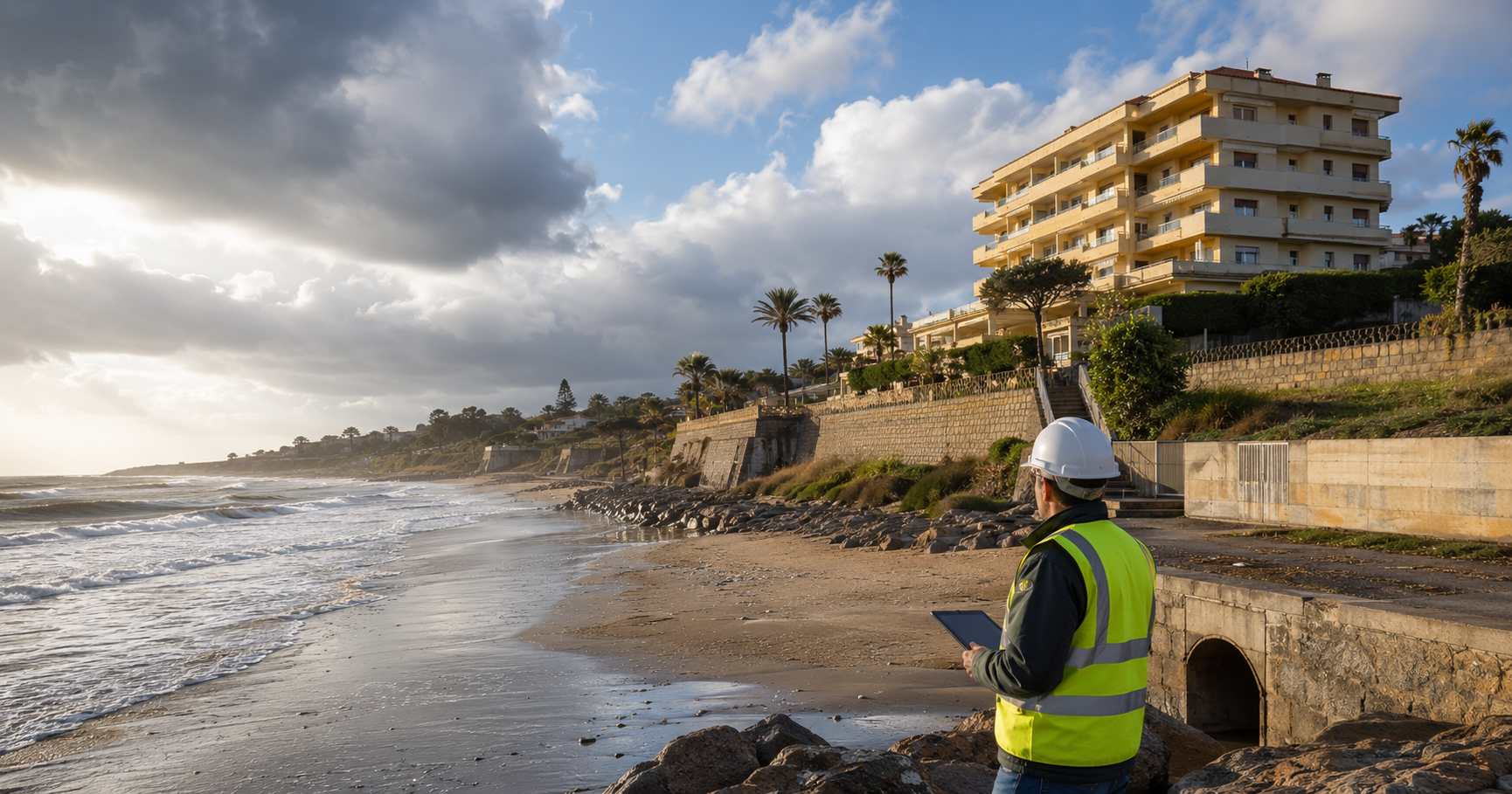
A historic centre, fishing harbour or cove may create the first attraction, but the home must be checked independently. Wind, salt, noise, privacy, parking and community costs vary sharply on the frontline. Two apartments only a few metres apart may provide very different experiences and risks. Assess the town together with the building, orientation, floor level and registered legal position.
Corcubión
Corcubión combines heritage, characterful streets and a recognisable seafront. Estuary frontage is often more sheltered, but tides, humidity and flood exposure require attention. It interests buyers willing to exchange a smaller range of activity for tranquillity.
Fisterra
Fisterra faces the Atlantic directly and preserves a powerful, changing maritime landscape. Harbour-facing homes add views and activity but require checks on noise, operations and events. It suits buyers prioritising landscape and nature over an extensive urban offer.
Muxía
Muxía faces the Atlantic directly and preserves a powerful, changing maritime landscape. Harbour-facing homes add views and activity but require checks on noise, operations and events. It suits buyers prioritising landscape and nature over an extensive urban offer.
Camariñas
Camariñas retains a visible maritime identity through its harbour, street pattern and everyday relationship with the water. Estuary frontage is often more sheltered, but tides, humidity and flood exposure require attention. It is a natural option for buyers valuing boating, harbour access and active maritime life.
Laxe
Laxe retains a visible maritime identity through its harbour, street pattern and everyday relationship with the water. Frontline supply concentrates beside beaches and buildings designed for direct coastal use. It is practical for families prioritising accessible beaches, promenades and nearby services.
Corme
Corme retains a visible maritime identity through its harbour, street pattern and everyday relationship with the water. Estuary frontage is often more sheltered, but tides, humidity and flood exposure require attention. It interests buyers willing to exchange a smaller range of activity for tranquillity.
Malpica
Malpica faces the Atlantic directly and preserves a powerful, changing maritime landscape. Harbour-facing homes add views and activity but require checks on noise, operations and events. It particularly suits buyers who need services and local life throughout the year.
Carnota
Carnota is defined by coves, smaller beaches and a more intimate scale than major resorts. Frontline supply concentrates beside beaches and buildings designed for direct coastal use. It suits buyers prioritising landscape and nature over an extensive urban offer.
How to compare locations before choosing
Visit in high and low season, walk the area morning and evening and check supermarkets, healthcare, restaurants, transport and parking. Measure real door-to-door travel time. Then compare genuinely equivalent homes: usable area, terrace, lift, parking, community charges, building condition and physical distance from the water. Asking prices do not prove a final transaction price or guarantee a return.
Frontline-specific checks
- Land Registry extract, cadastral information and consistency with physical reality.
- Meeting minutes, accounts, reserve fund, assessments and discussed works.
- Façades, balconies, roofs, garages, corrosion, damp and water ingress.
- Official flood-risk mapping and building history where relevant.
- Rules governing occupation, rentals and use of the individual property.
- Winter services and comparable resale demand.
Which town is the better fit?
Corcubión and Fisterra stand out for buyers seeking character and an unmistakable relationship with the sea. Muxía and Camariñas are often stronger where services and frequent use matter. Malpica and Carnota deserve attention from buyers prioritising tranquillity, nature or a more specialised atmosphere. The final choice should reflect real use and the quality of the particular home, not a tourism ranking.
Conclusion
la Costa da Morte offers very different ways to live by the sea. The best town is not necessarily the most famous, but the one where location, services, building, budget and personal use remain balanced over time. A frontline purchase should combine enthusiasm for the landscape with rigorous documentary and physical checks.
José Luis Castilla