Guide of Avilés
Average price per m²
3.128€/m²
Based on 1 active listings in Avilés
Avilés, located on the Costa Verde, is a town with a rich maritime history and a vibrant cultural scene. Its position on the northern coast of Spain gives it a unique character, combining traditional Asturian charm with modern amenities. The town is known for its industrial heritage and the stunning architecture of the Niemeyer Center, which has become a symbol of its cultural renaissance.
The beaches of Avilés
While Avilés itself is more renowned for its port and industrial past, the nearby beaches offer a natural retreat. Salinas Beach, located just a short drive away, is popular for its fine sand and excellent surfing conditions. It features a long promenade perfect for walking or cycling, and during the summer, it becomes a hub for both locals and tourists. The beach is well-equipped with services, including lifeguards, showers, and beach bars.
Another notable beach is San Juan de Nieva, which is ideal for those seeking a quieter experience. Its natural setting and less crowded environment make it a perfect spot for relaxation. The beach is accessible and offers basic amenities, making it suitable for families and those looking to enjoy a peaceful day by the sea.
Living in Avilés: climate and year-round population
Avilés experiences a temperate maritime climate, characterized by mild winters and cool summers, typical of the Costa Verde. The town maintains a lively atmosphere throughout the year, with a strong sense of community among its residents. In winter, the pace of life slows down, offering a more relaxed ambiance compared to the bustling summer months.
Water and nautical activities in Avilés
The town's proximity to the sea provides ample opportunities for water sports and nautical activities. The Avilés estuary is a popular spot for sailing and rowing, with clubs offering courses for all levels. The nearby beaches also cater to surfing enthusiasts, with Salinas being a renowned spot for catching waves. Additionally, fishing is a common pastime, with both locals and visitors enjoying the rich marine life of the area.
Cultural tourism: heritage and traditions of Avilés
Avilés boasts a wealth of cultural attractions, including the historic old town, with its well-preserved medieval architecture. The Church of San Nicolás de Bari and the Palacio de Valdecarzana are notable landmarks that reflect the town's rich history. The Niemeyer Center, designed by the famed architect Oscar Niemeyer, hosts a variety of cultural events and exhibitions, drawing visitors from across the region.
Festivals play a significant role in Avilés' cultural identity. The Antroxu, or Carnival of Avilés, is one of the most celebrated events, featuring parades, costumes, and traditional music. Another highlight is the International Film Festival, which attracts filmmakers and cinephiles from around the world.
Economy and business fabric of Avilés
Avilés has a diverse economy, with a strong industrial base complemented by a growing service sector. The town's port plays a crucial role in its economic activities, facilitating trade and commerce. Additionally, the presence of cultural institutions like the Niemeyer Center has spurred growth in the tourism and hospitality industries, contributing to the town's economic vitality.
Tourism in Avilés
Tourism in Avilés is driven by its cultural offerings and natural beauty. Visitors are drawn to the town's historic sites, vibrant festivals, and the striking architecture of the Niemeyer Center. The town's location on the Costa Verde also makes it an attractive destination for those seeking to explore the scenic landscapes and beaches of northern Spain.
Gastronomy and local products
Avilés is known for its rich culinary tradition, offering a variety of local dishes that reflect the region's agricultural and maritime heritage. Fabada Asturiana, a hearty bean stew, is a staple of the local cuisine. The town also boasts a selection of seafood dishes, with fresh fish and shellfish being central to many menus. Local cider, or sidra, is a must-try, often enjoyed in traditional cider houses where it is poured from a height to enhance its flavor.
Communications and services
Avilés is well-connected by road and rail, making it easily accessible from other parts of Spain. The town is served by the Avilés train station, which offers regular services to major cities like Oviedo and Gijón. Asturias Airport, located nearby, provides both domestic and international flights, facilitating travel to and from the region.
In terms of services, Avilés offers a range of facilities to meet the needs of its residents and visitors. The town has several healthcare centers, educational institutions, and commercial areas, ensuring a high quality of life for those living in the area.
The seafront in Avilés
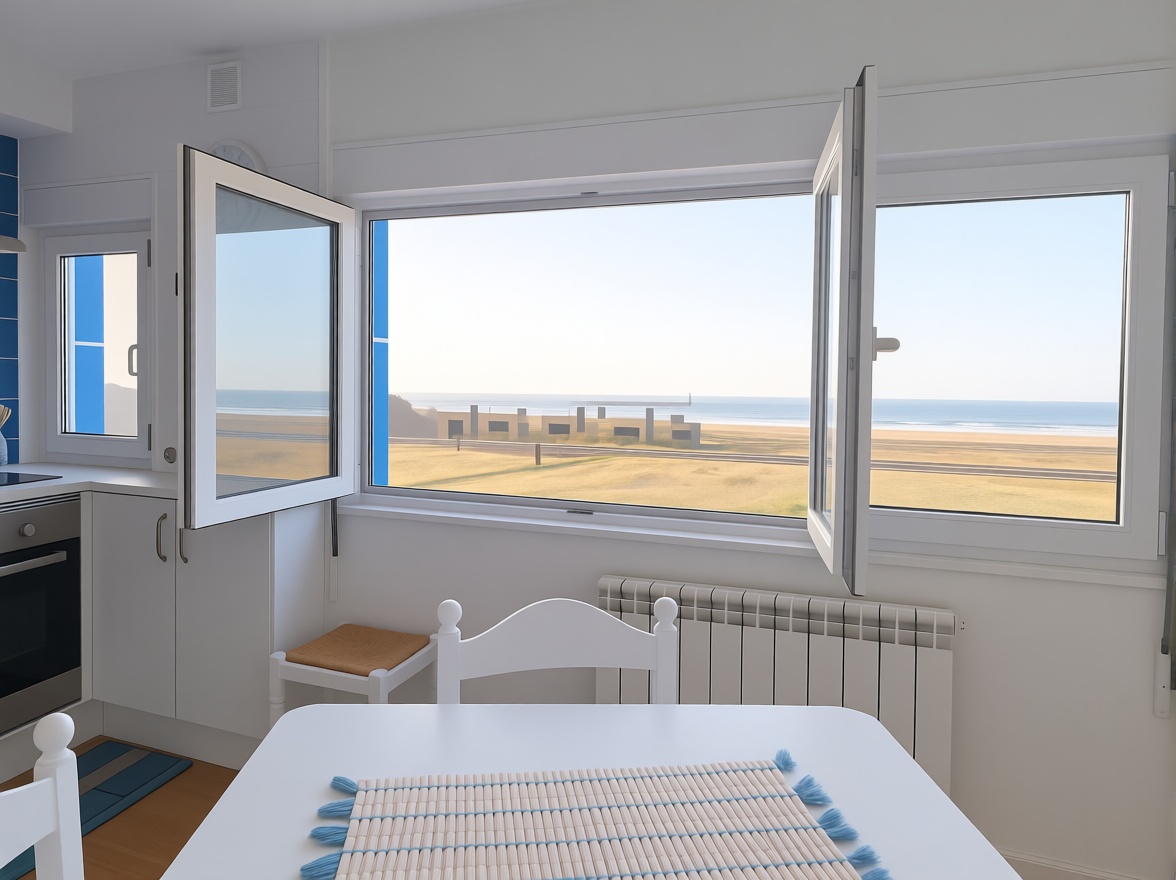
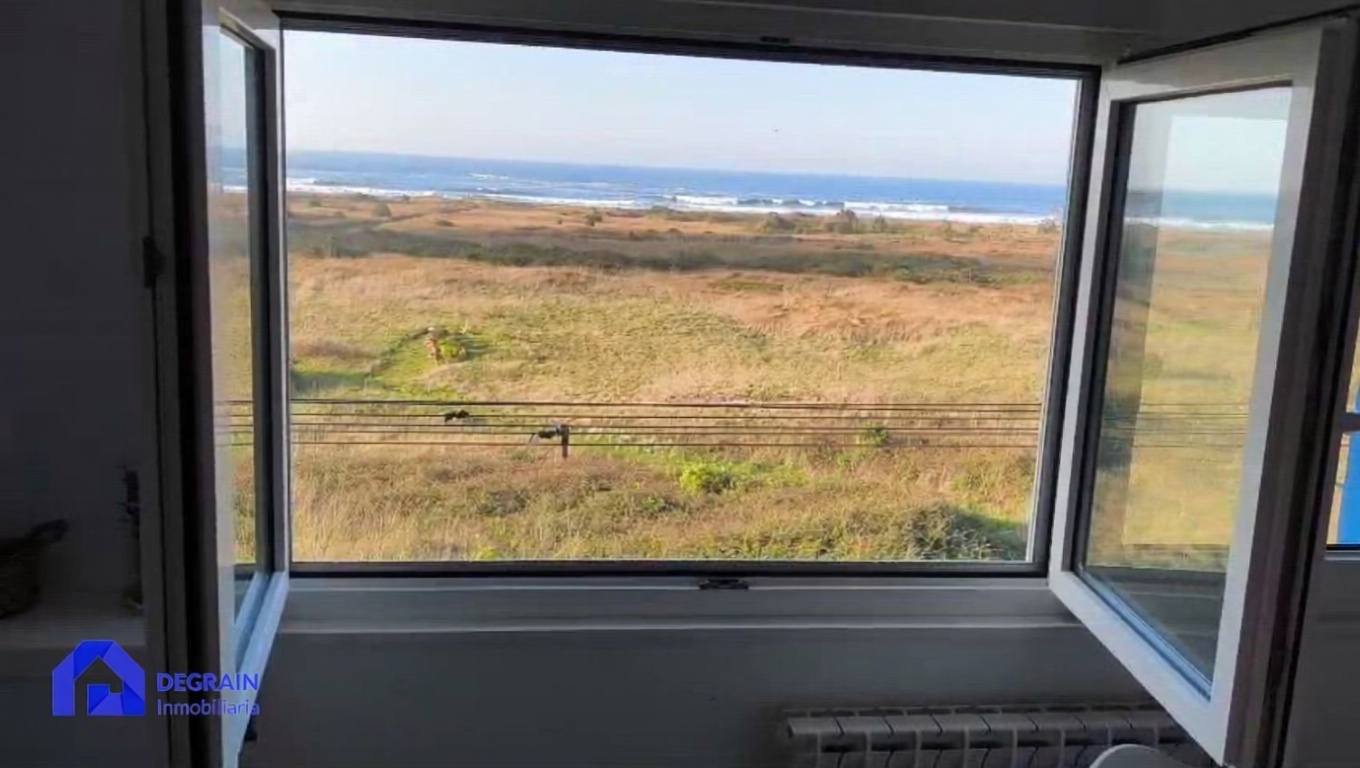
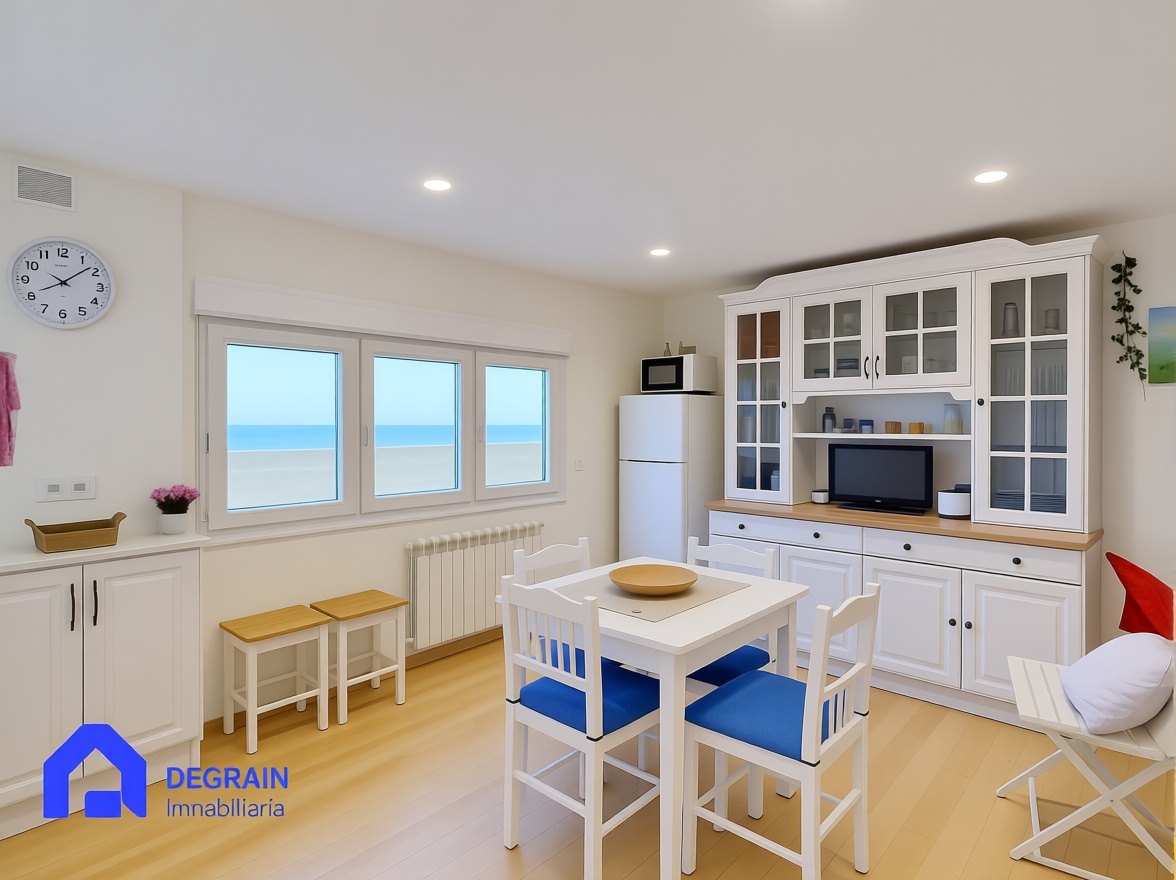
The seafront in Avilés offers a mix of residential and recreational spaces. Along the coastline, one can find a variety of housing options, including apartments and penthouses with stunning views of the sea. The area near the port is more urban, with a lively atmosphere and easy access to the town's amenities. In contrast, the stretches closer to Salinas Beach offer a more tranquil setting, ideal for those seeking a peaceful seaside retreat.
Avilés, with its blend of cultural richness, natural beauty, and modern amenities, presents a compelling case for those considering a seafront home on the Costa Verde. Its unique character and vibrant community make it a desirable location for both permanent residents and seasonal visitors.