Guide of Castropol
Average price per m²
3.700€/m²
Based on 1 active listings in Castropol
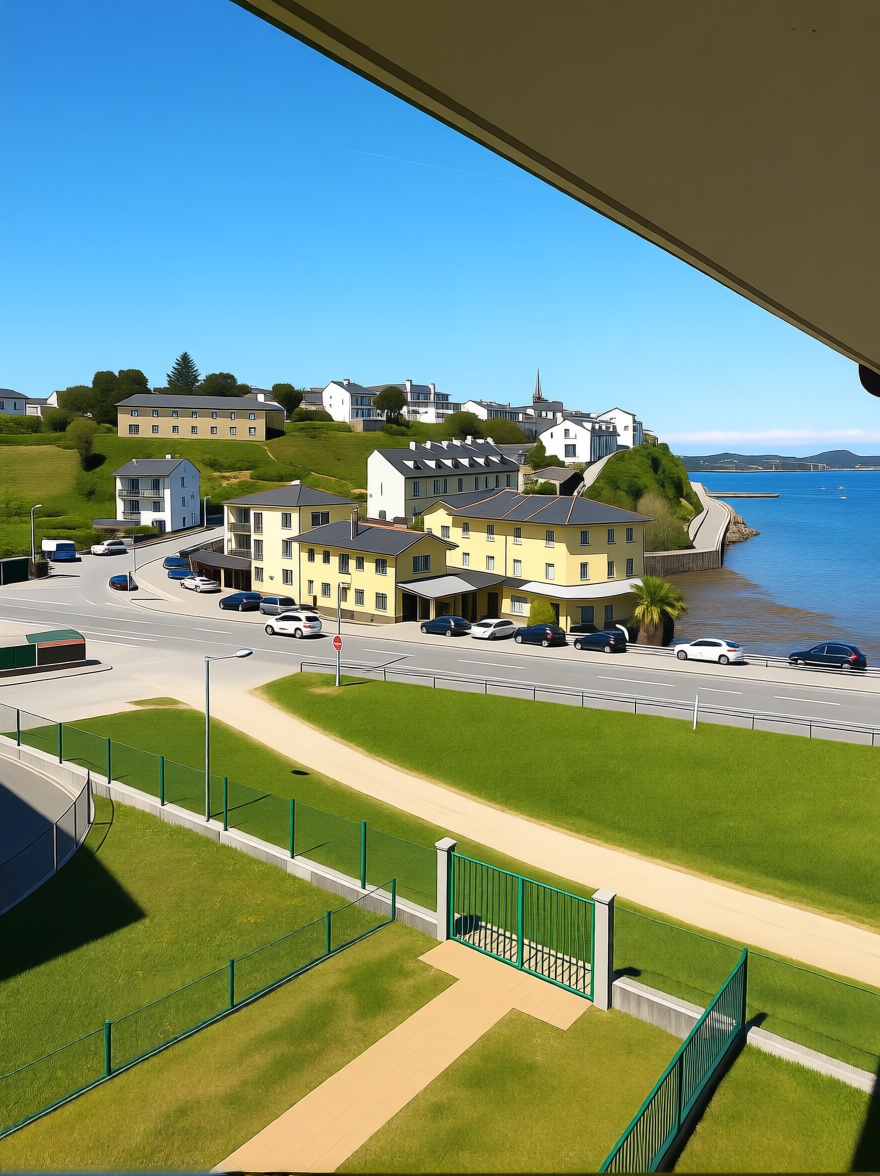
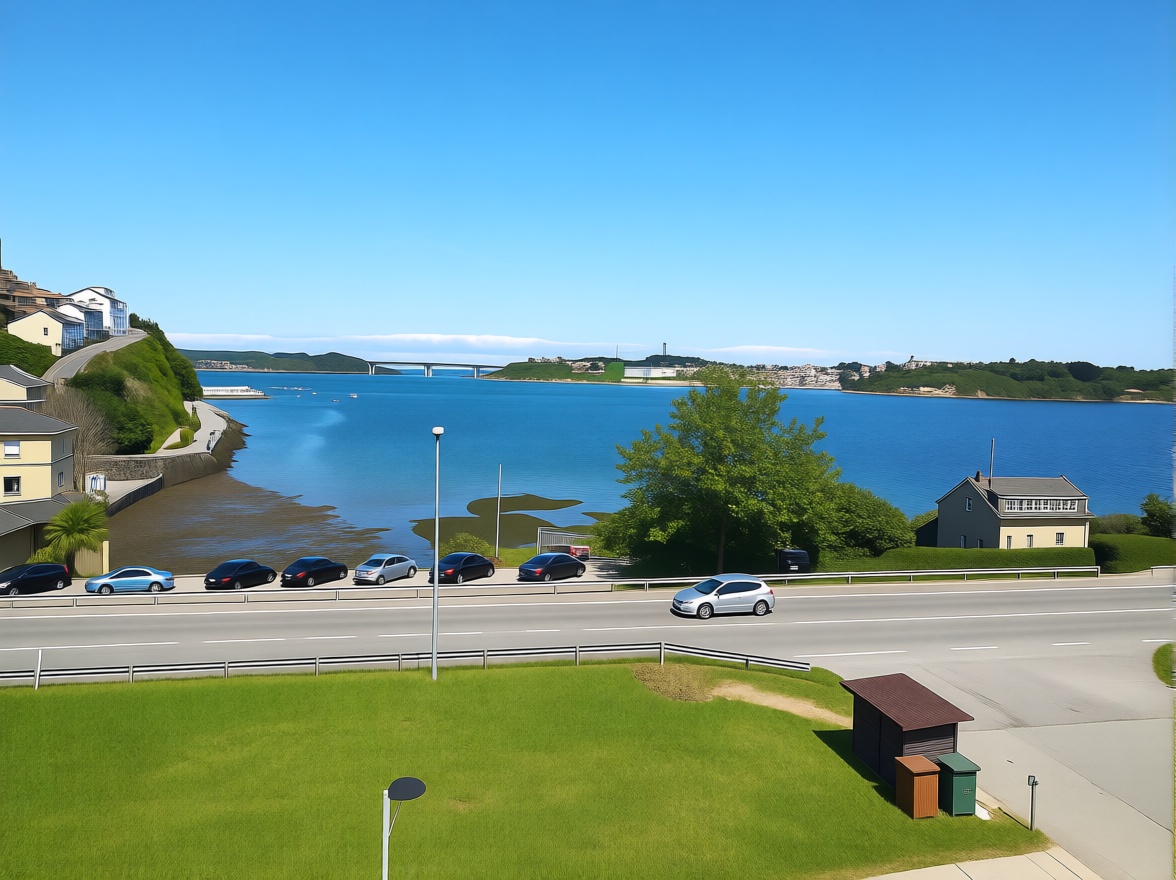
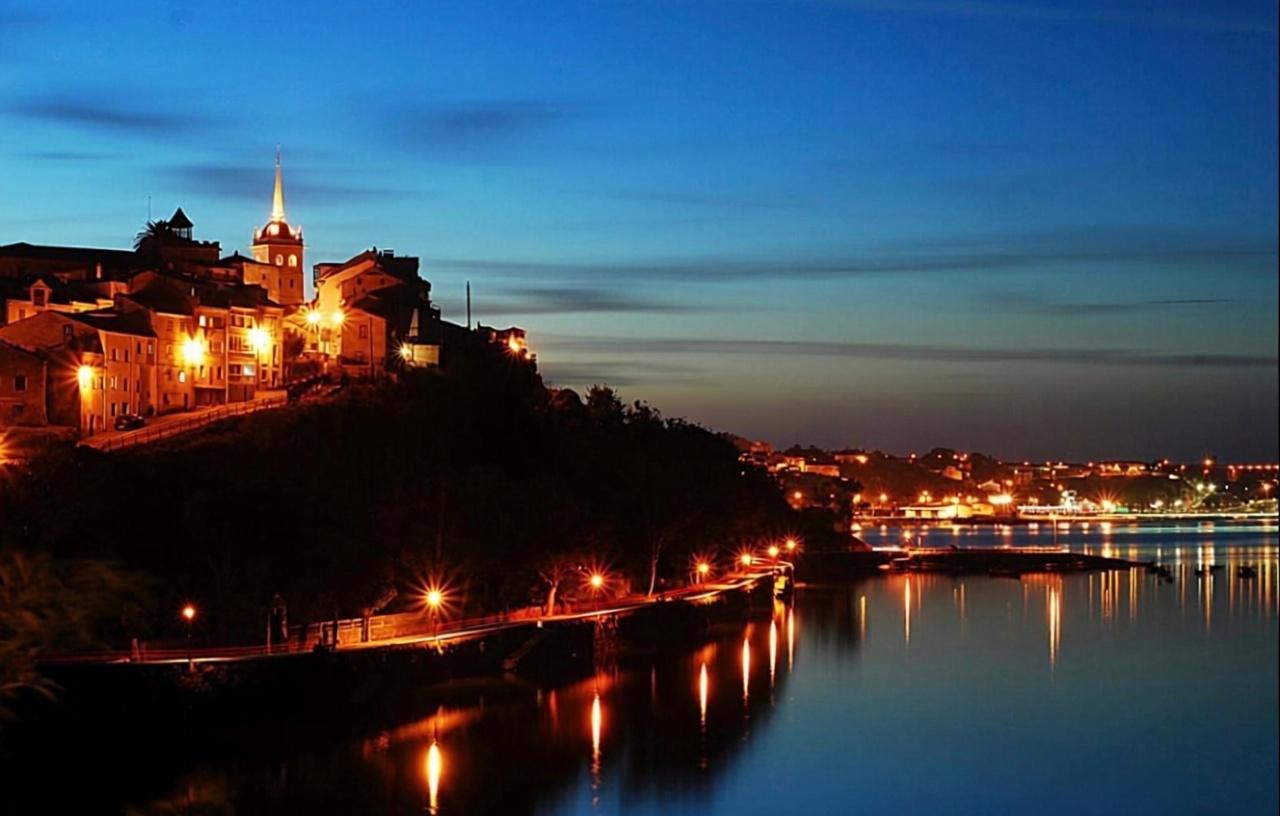
Castropol is a picturesque town located on the Costa Verde, known for its lush landscapes and proximity to the sea. This charming location is part of the Asturias region, offering a unique blend of natural beauty and cultural heritage. The town is situated on the westernmost point of the Asturian coast, providing stunning views of the Bay of Biscay and the Eo estuary.
The Beaches of Castropol
Castropol boasts several beautiful beaches, each offering a distinct experience. Playa de Penarronda is a popular choice, known for its fine golden sand and clear waters. It is equipped with basic amenities and is accessible for people with reduced mobility. Playa de Arnao, another favorite, offers a more secluded experience with its rocky surroundings and natural pools, ideal for those seeking tranquility.
Playa de Figueras is located near the town and is characterized by its calm waters, making it perfect for families. It has a small promenade and provides easy access to nearby cafes and restaurants. These beaches, with their unique characteristics, are a testament to the natural beauty that defines Castropol's coastline.
Living in Castropol: Climate and Year-Round Population
The climate in Castropol is typically maritime, with mild temperatures and abundant rainfall throughout the year. Summers are pleasant, attracting visitors who enjoy the cooler temperatures compared to other parts of Spain. In winter, the town becomes quieter, with a smaller resident population that maintains the local rhythm of life.
Water and Nautical Activities in Castropol
Castropol is a haven for water sports enthusiasts. The Eo estuary provides excellent conditions for sailing and kayaking, with several local clubs offering courses and equipment rental. The Nautical Club of Castropol is a key institution, organizing regattas and events that attract participants from across the region.
Cultural Tourism: Heritage and Traditions of Castropol
Castropol is rich in cultural heritage, with several historical sites worth exploring. The Church of Santiago Apóstol, located in the town center, is a notable example of religious architecture. The annual Festival of San Roque, celebrated in August, is a vibrant event featuring traditional music and dance, reflecting the town's cultural vitality.
Economy and Business Fabric of Castropol
The economy of Castropol is diverse, with agriculture and fishing playing significant roles. The fertile lands surrounding the town support a variety of crops, while the fishing industry benefits from the rich waters of the Bay of Biscay. Additionally, tourism contributes to the local economy, with visitors drawn to the area's natural and cultural attractions.
Tourism in Castropol
Tourism in Castropol is characterized by a blend of natural and cultural attractions. Visitors are drawn to the scenic landscapes, historical sites, and the opportunity to experience traditional Asturian culture. The town's location on the Costa Verde makes it an appealing destination for those seeking a tranquil retreat with access to outdoor activities.
Gastronomy and Local Products
Castropol offers a rich culinary scene, with an emphasis on locally sourced ingredients. The region is known for its seafood, particularly shellfish, which is a staple in many local dishes. Traditional Asturian cider is also a popular beverage, often enjoyed alongside hearty meals featuring local produce.
Transport and Services
Castropol is accessible via the A-8 motorway, which connects it to major cities such as Oviedo and Gijón. The nearest railway station is in Vegadeo, providing connections to the broader region. For air travel, Asturias Airport is the closest, offering flights to various national and international destinations.
The Seafront in Castropol
The seafront in Castropol is characterized by a mix of traditional and modern architecture, with a variety of housing options available. Penthouses and apartments with direct beach access offer stunning views of the coast. The area near the marina is particularly popular, providing a lively atmosphere with easy access to nautical activities.
In conclusion, Castropol's unique location on the Costa Verde, combined with its rich cultural heritage and natural beauty, makes it an attractive destination for those seeking a seafront home. The town offers a peaceful lifestyle with a strong sense of community, making it a desirable place to live year-round.