Guide of Costa Blanca
Average price per m²
5.187€/m²
Based on 961 active listings in Costa Blanca
The Costa Blanca, located in the province of Alicante, is renowned for its stunning coastline, which stretches over 200 kilometers along the Mediterranean Sea. This region is characterized by its beautiful beaches, vibrant towns, and a rich cultural heritage. The area is a popular destination for both tourists and those looking to purchase seafront homes, offering a unique blend of natural beauty and modern amenities.
The Beaches of Costa Blanca
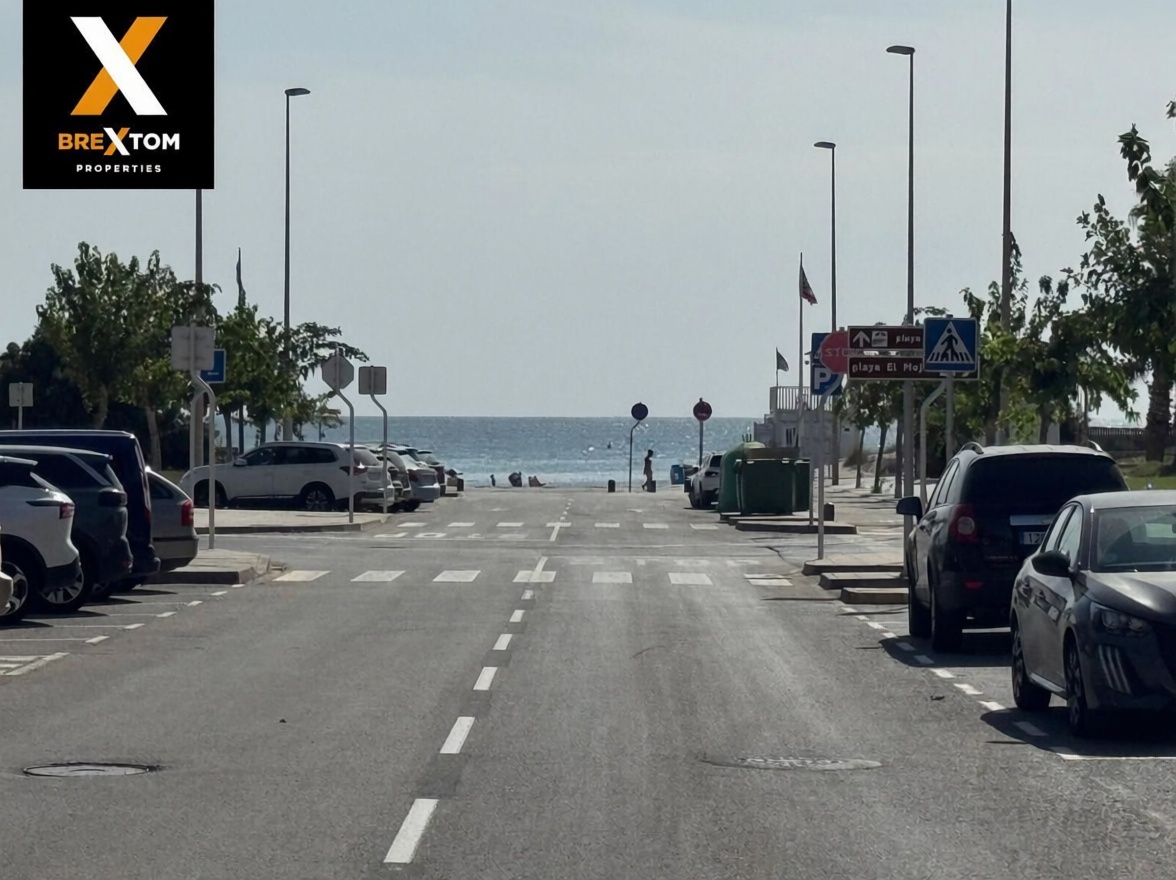
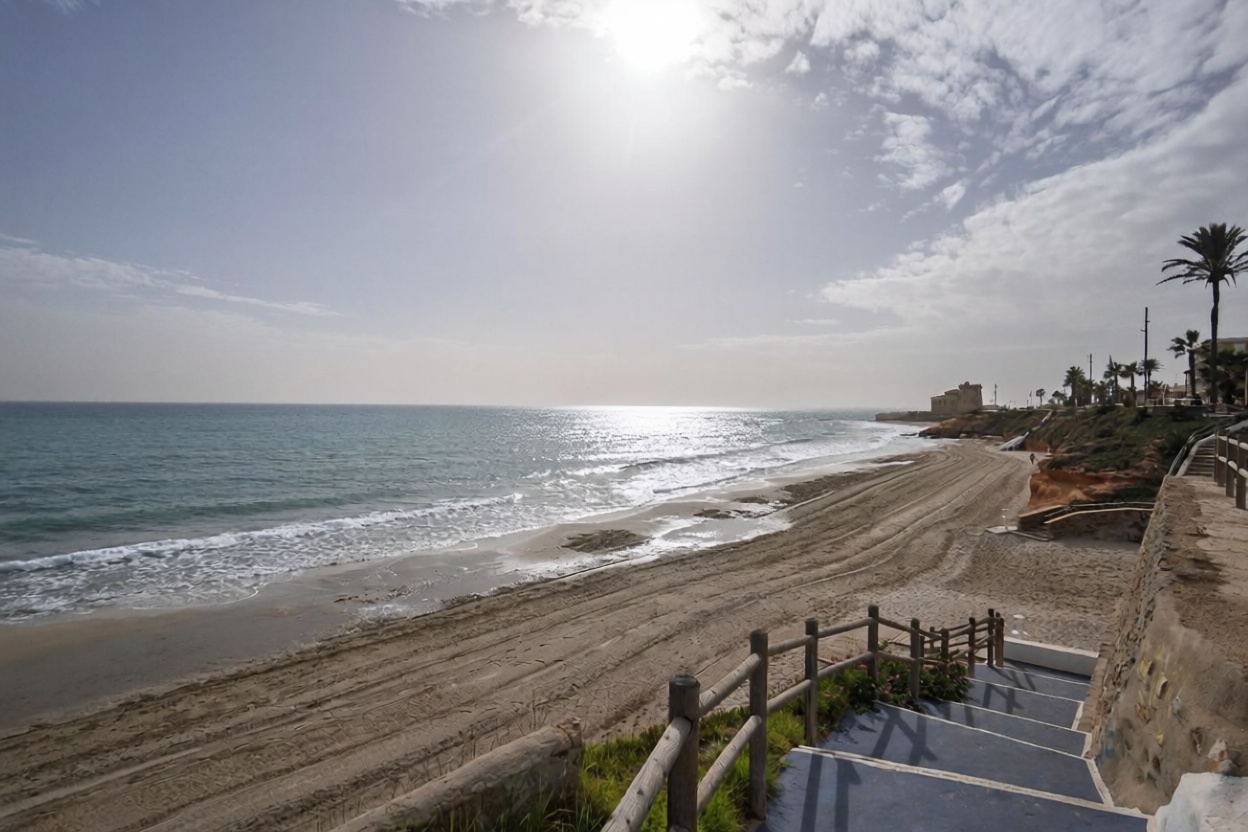
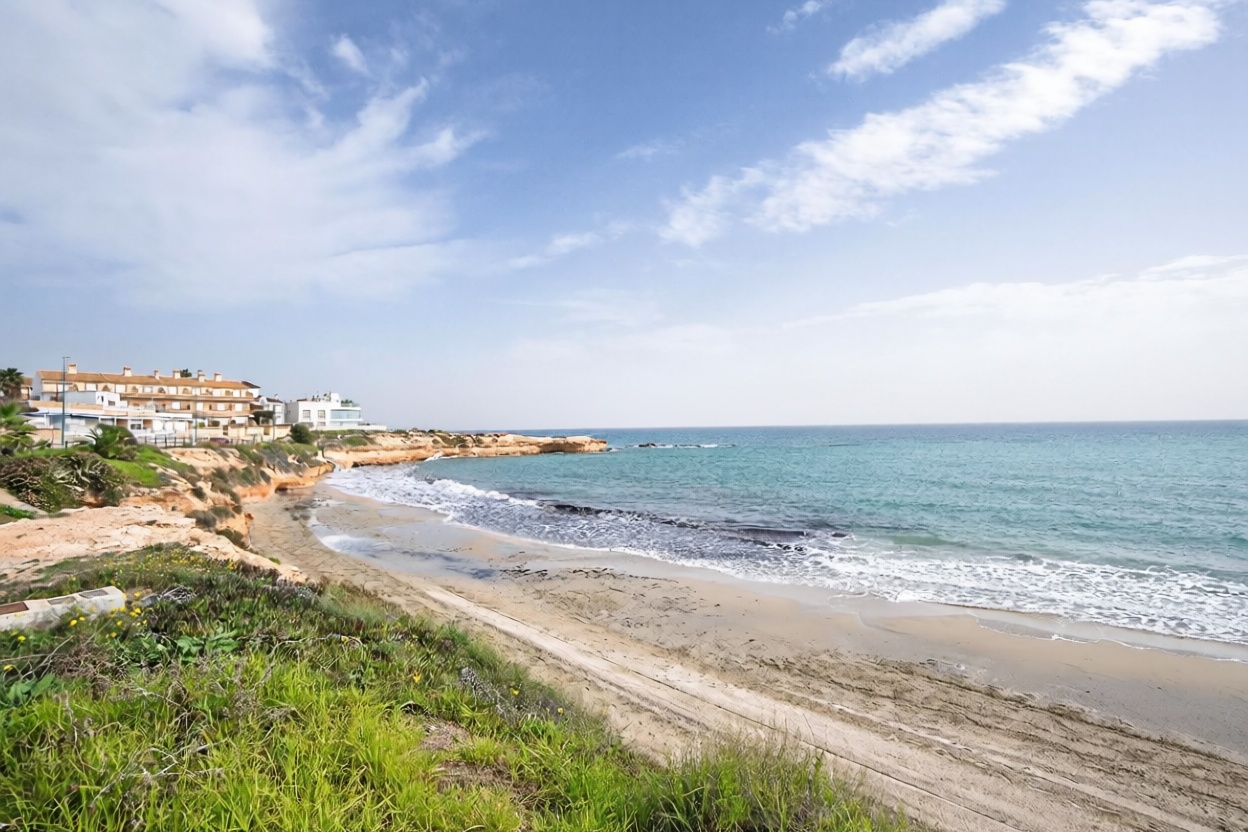
Costa Blanca is home to a diverse array of beaches, each offering its own unique charm. Playa de Levante in Benidorm is known for its golden sand and lively atmosphere, making it a favorite among tourists. For those seeking a quieter experience, Playa de la Granadella in Jávea is a picturesque cove with crystal-clear waters, perfect for snorkeling. Playa del Postiguet in Alicante provides easy access from the city center and offers a range of services, including sunbed rentals and beachside cafes.
Playa de San Juan, also in Alicante, is a long, sandy beach ideal for families, with a promenade lined with restaurants and shops. In contrast, Playa de la Fossa in Calpe offers stunning views of the Peñón de Ifach, a massive limestone rock that is a natural park. Each beach along the Costa Blanca provides a different experience, catering to a variety of preferences and activities.
Living in Costa Blanca: Climate and Year-Round Population
The Costa Blanca enjoys a Mediterranean climate, characterized by mild winters and hot summers. This favorable weather attracts a significant number of visitors during the summer months, leading to bustling streets and vibrant nightlife. In contrast, the winter months see a quieter atmosphere, with a smaller resident base that enjoys a more relaxed pace of life. The region's climate is ideal for those looking to escape colder climates and enjoy year-round sunshine.
Water and Nautical Activities in Costa Blanca
Costa Blanca offers a wealth of water-based activities, making it a paradise for enthusiasts. The Marina de Dénia is a hub for sailing and yachting, providing facilities for both leisure and competitive sailing. Scuba diving is popular in areas like the Marine Reserve of Cabo de San Antonio, where divers can explore rich underwater ecosystems. Windsurfing and kite surfing are also common, with schools and rental services available in towns such as Torrevieja and Santa Pola.
Cultural Tourism: Heritage and Traditions of Costa Blanca
The Costa Blanca is steeped in history, with numerous cultural attractions. The Castle of Santa Bárbara in Alicante offers panoramic views of the city and the sea, while the historic old town of Altea is known for its whitewashed buildings and narrow streets. Festivals such as the Hogueras de San Juan in Alicante celebrate local traditions with bonfires and fireworks. The region's cultural heritage is further enriched by its museums, such as the Archaeological Museum of Alicante (MARQ), which showcases artifacts from the area's ancient past.
Economy and Business Fabric of Costa Blanca
The economy of Costa Blanca is diverse, with tourism being a major driver. The hospitality sector thrives, supported by a wide range of hotels, restaurants, and entertainment venues. Agriculture also plays a significant role, with the region known for its production of citrus fruits and almonds. Additionally, the area has a growing technology sector, with business parks in cities like Alicante providing opportunities for innovation and development.
Tourism in Costa Blanca
Tourism is a cornerstone of the Costa Blanca's economy, attracting millions of visitors each year. The region's appeal lies in its combination of natural beauty, cultural attractions, and modern amenities. Popular tourist destinations include Benidorm, known for its vibrant nightlife and theme parks, and the charming town of Jávea, which offers a more tranquil experience. The Costa Blanca's diverse offerings ensure that it caters to a wide range of tourist preferences.
Gastronomy and Local Products
The gastronomy of Costa Blanca is a reflection of its rich cultural heritage and abundant natural resources. The region is famous for its seafood dishes, such as arroz a banda, a rice dish cooked in fish broth. Local products include turrón from Jijona, a type of nougat, and wines from the Alicante Denomination of Origin. The area's culinary offerings are celebrated in numerous food festivals, where visitors can sample traditional dishes and local specialties.
Transport and Services
Costa Blanca is well-connected by a network of roads and public transport. The AP-7 motorway runs along the coast, linking major towns and cities. Alicante-Elche Airport serves as the primary gateway for international travelers, offering flights to numerous European destinations. The region also has a reliable bus and train service, with the Alicante Terminal providing connections to cities such as Madrid and Barcelona. Essential services, including healthcare and education, are readily available, with hospitals and schools located throughout the area.
The Seafront in Costa Blanca
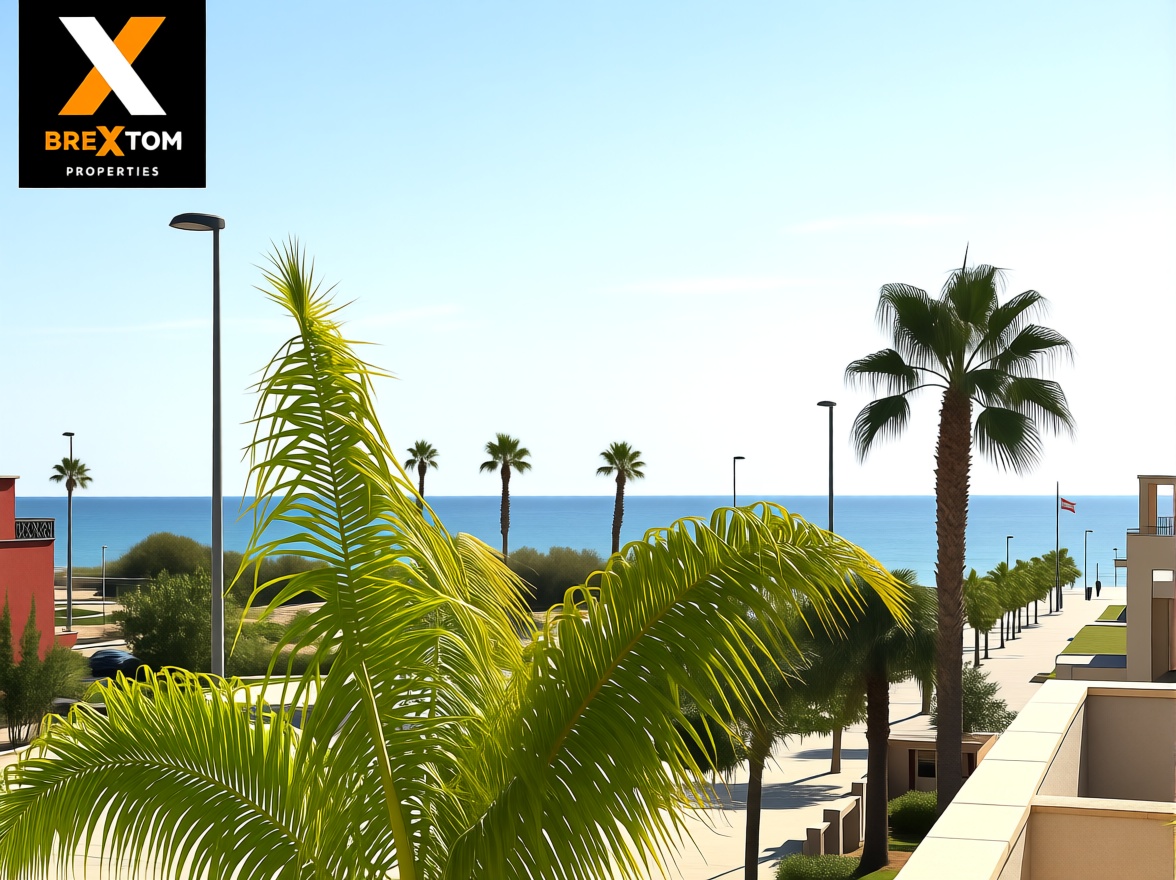
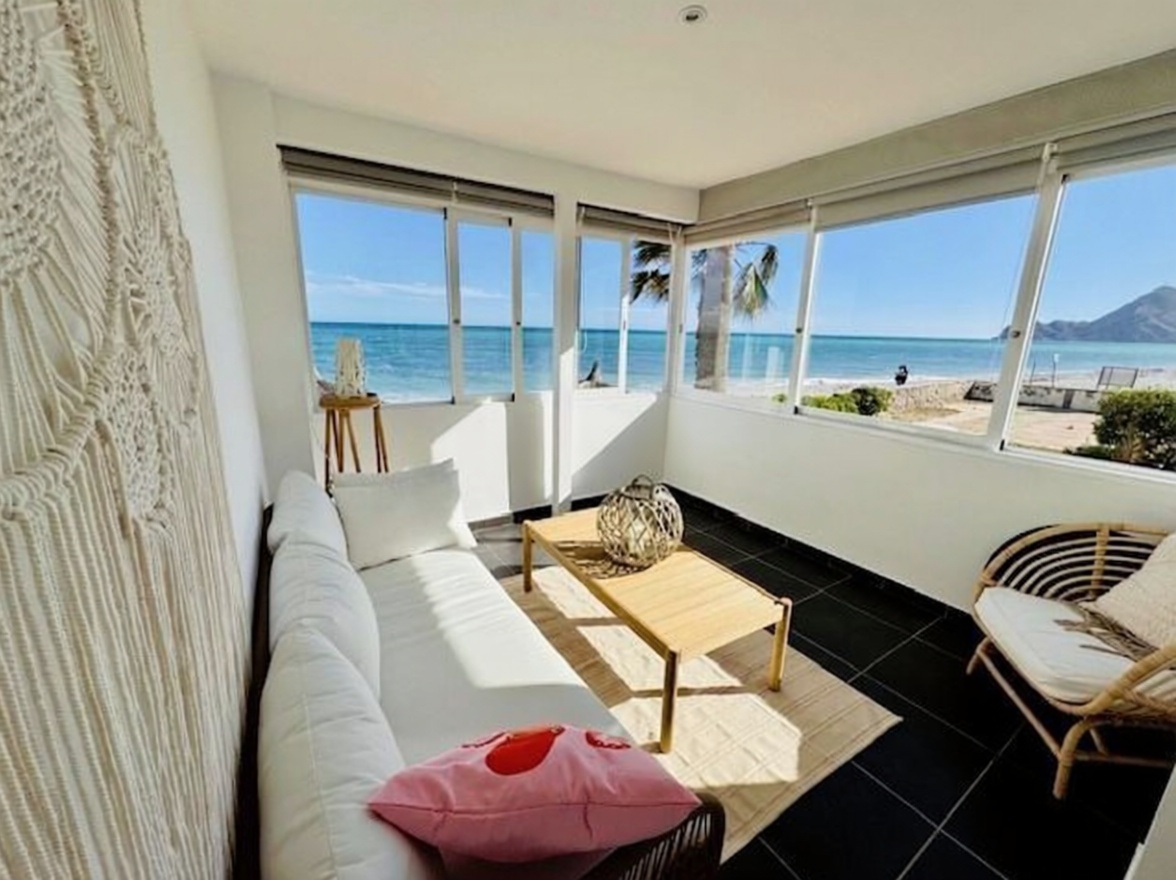
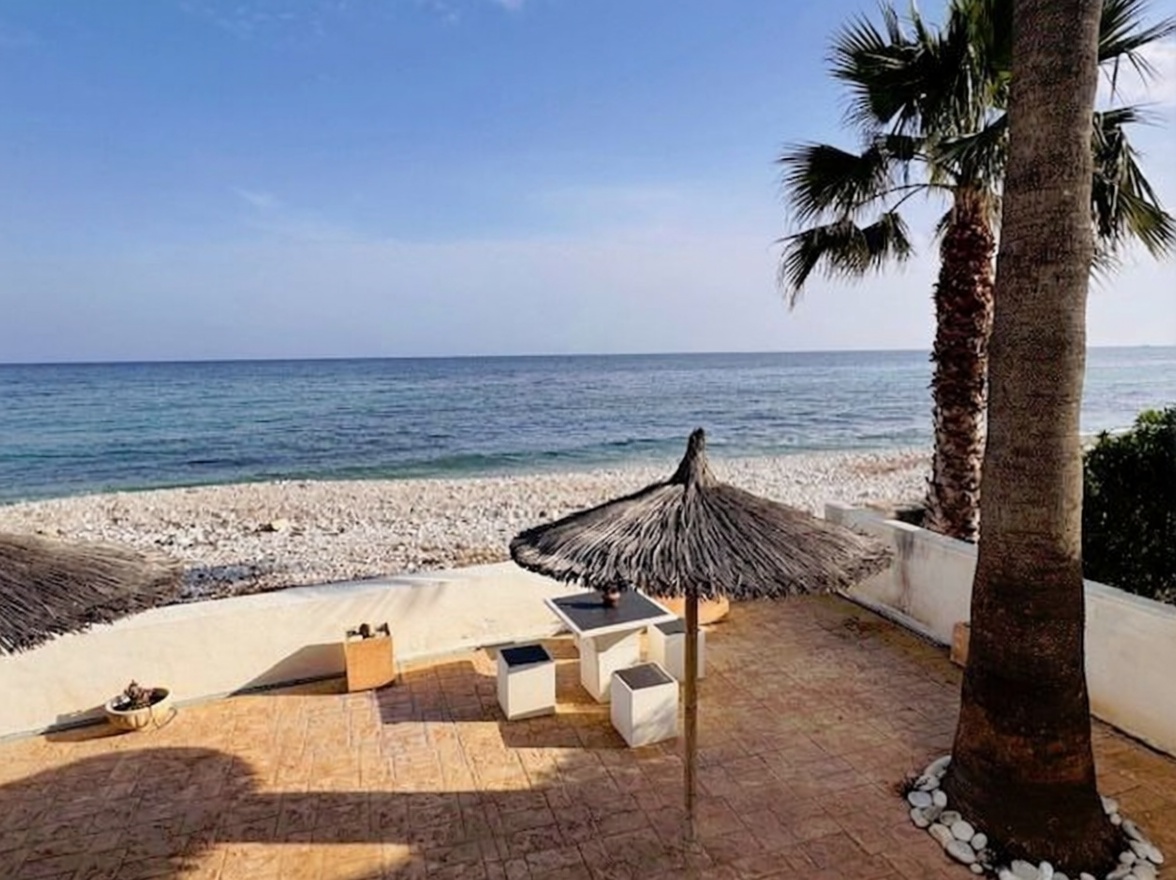
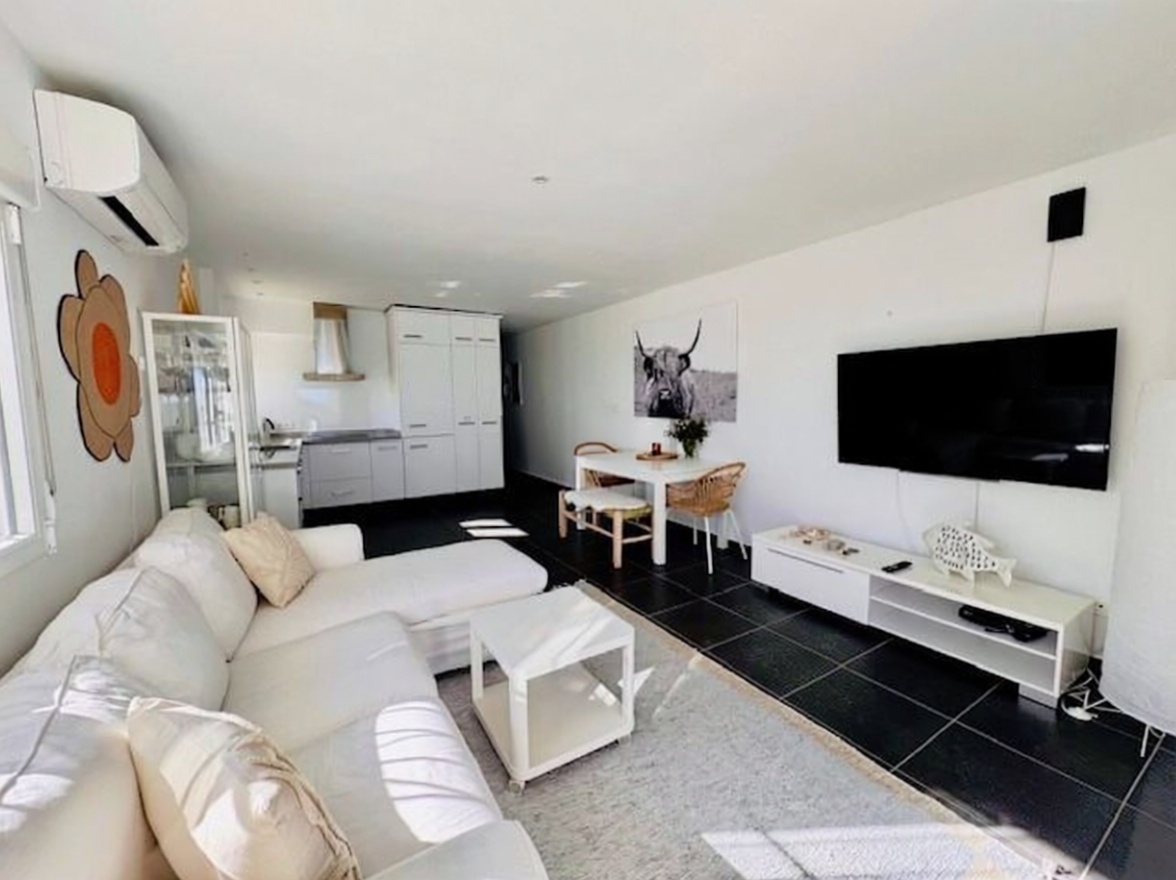
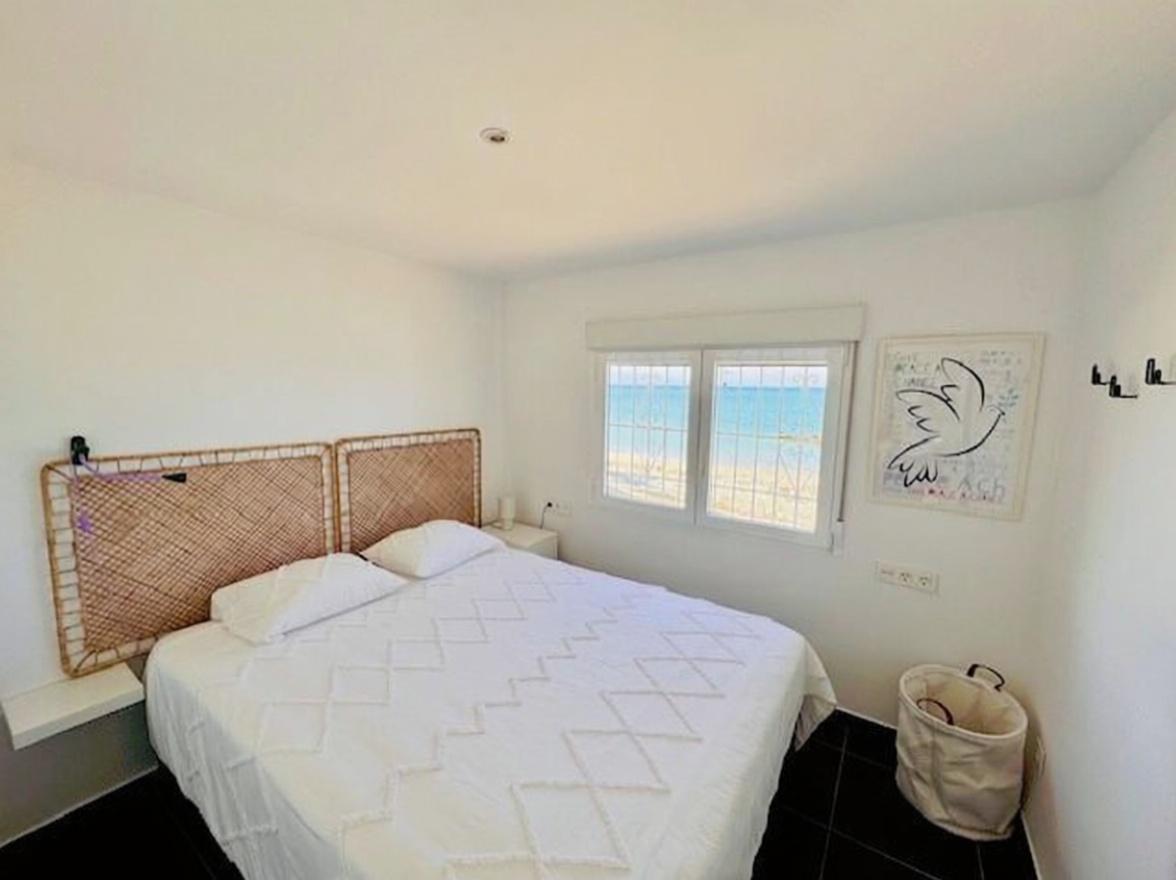
The seafront properties in Costa Blanca vary from luxurious penthouses to charming ground-floor apartments. In areas like Altea and Moraira, buyers can find exclusive villas with direct beach access. The urban fabric along the coast is diverse, with promenades lined with cafes and shops in busier areas, while quieter stretches offer a more residential feel. The variety of properties available ensures that there is something to suit every taste and lifestyle.
In conclusion, Costa Blanca offers a unique opportunity for those looking to purchase a seafront home. With its stunning beaches, vibrant culture, and excellent amenities, the region provides an ideal setting for both permanent residents and holidaymakers. The diverse range of properties available along the seafront caters to all preferences, making Costa Blanca a desirable location for a coastal lifestyle.