Guide of Costa Brava
Average price per m²
6.328€/m²
Based on 390 active listings in Costa Brava
The Costa Brava, a renowned coastal region in northeastern Spain, stretches from Blanes to the French border. Known for its rugged coastline, crystal-clear waters, and charming villages, it is a prime destination for those seeking a seafront home. The region is characterized by its beautiful beaches, vibrant cultural heritage, and a wide range of nautical activities, making it a sought-after location for both residents and visitors.
The beaches of Costa Brava
Costa Brava is home to numerous stunning beaches, each offering unique features. Platja de Fenals in Lloret de Mar is a popular choice, known for its golden sand and clear waters, ideal for families. Cala Sa Boadella, also in Lloret de Mar, offers a more secluded experience with its natural setting and rocky surroundings, perfect for those seeking tranquility.
In Tossa de Mar, Platja Gran is a must-visit, with its backdrop of the medieval castle providing a picturesque setting. The beach is well-equipped with amenities and offers a lively atmosphere. For a more intimate experience, Cala Pola, a small cove surrounded by pine trees, offers a serene escape.
Further north, Platja de Sant Pere Pescador is known for its long stretch of sand and excellent conditions for windsurfing and kitesurfing. This beach is a favorite among water sports enthusiasts. Meanwhile, Platja de Pals offers a unique combination of dunes and pine forests, attracting nature lovers and families alike.
Living in Costa Brava: climate and year-round population
Costa Brava enjoys a Mediterranean climate, characterized by hot, dry summers and mild, wet winters. This climate makes it an attractive location for year-round living. During the summer months, the region sees an influx of tourists, creating a vibrant and bustling atmosphere. In contrast, the winter months offer a quieter, more relaxed pace of life, with local residents enjoying the natural beauty and cultural offerings of the area.
Water and nautical activities in Costa Brava
The Costa Brava is a paradise for water sports enthusiasts. The region offers a wide range of activities, from sailing and kayaking to scuba diving and snorkeling. The Nautical Club of L'Escala is a popular hub for sailing enthusiasts, offering courses and equipment rentals. For diving, the Medes Islands, located off the coast of L'Estartit, are renowned for their rich marine biodiversity and are a protected natural park, attracting divers from around the world.
In addition to these activities, the Costa Brava is home to several marinas, such as Marina Empuriabrava, which is one of the largest residential marinas in the world. This marina offers extensive facilities for boat owners, making it a key destination for nautical tourism.
Cultural tourism: heritage and traditions of Costa Brava
Costa Brava boasts a rich cultural heritage, with numerous historical sites and festivals. The medieval town of Pals, with its cobbled streets and ancient walls, offers a glimpse into the region's past. The Dalí Theatre-Museum in Figueres, dedicated to the works of Salvador Dalí, is a major cultural attraction, drawing art lovers from around the globe.
Festivals play a significant role in the cultural life of Costa Brava. The Cap Roig Festival, held in the gardens of Cap Roig Castle, features performances by international artists in a stunning open-air setting. Additionally, the Habaneras Festival in Calella de Palafrugell celebrates the region's maritime heritage with traditional sea shanties and music.
Economy and business fabric of Costa Brava
The economy of Costa Brava is diverse, with tourism being a major driver. The region's natural beauty and cultural attractions draw visitors year-round, supporting a wide range of businesses, from hotels and restaurants to tour operators and cultural institutions. Agriculture also plays a role, with vineyards and olive groves producing high-quality wines and olive oils that are exported internationally.
In addition to tourism and agriculture, the Costa Brava has a growing technology sector, with several tech companies establishing a presence in the region. This diversification of the economy provides stability and opportunities for local residents.
Tourism in Costa Brava
Costa Brava is a popular tourist destination, attracting visitors from across Europe and beyond. The region's beaches, cultural sites, and natural parks offer a wide range of activities for tourists. The certification of several beaches with the Blue Flag status highlights the quality and environmental standards maintained in the area.
Tourism in Costa Brava is not limited to the summer months. The region's mild climate and cultural offerings ensure a steady flow of visitors throughout the year. This year-round tourism supports local businesses and contributes to the vibrant atmosphere of the region.
Gastronomy and local products
Costa Brava is renowned for its gastronomy, with a focus on fresh, local ingredients. The region's cuisine is characterized by a blend of Mediterranean flavors, with seafood playing a prominent role. Dishes such as suquet de peix, a traditional fish stew, and escalivada, a roasted vegetable dish, are popular among locals and visitors alike.
The region is also known for its wine production, with several vineyards offering tours and tastings. The Empordà wine region, in particular, produces high-quality wines that are gaining international recognition. Olive oil, another staple of the local diet, is produced in abundance, with many local producers offering tastings and tours.
Transport and services
Costa Brava is well-connected by road, with the AP-7 motorway providing access to major cities such as Barcelona and Girona. The region is also served by Girona-Costa Brava Airport, offering flights to various European destinations. For rail travel, the nearest major station is in Girona, which connects to the high-speed AVE network, providing convenient access to the rest of Spain.
In terms of services, Costa Brava offers a range of healthcare facilities, including hospitals and clinics, ensuring residents have access to quality medical care. The region also has a variety of educational institutions, from primary schools to international colleges, catering to the needs of families living in the area.
The seafront in Costa Brava
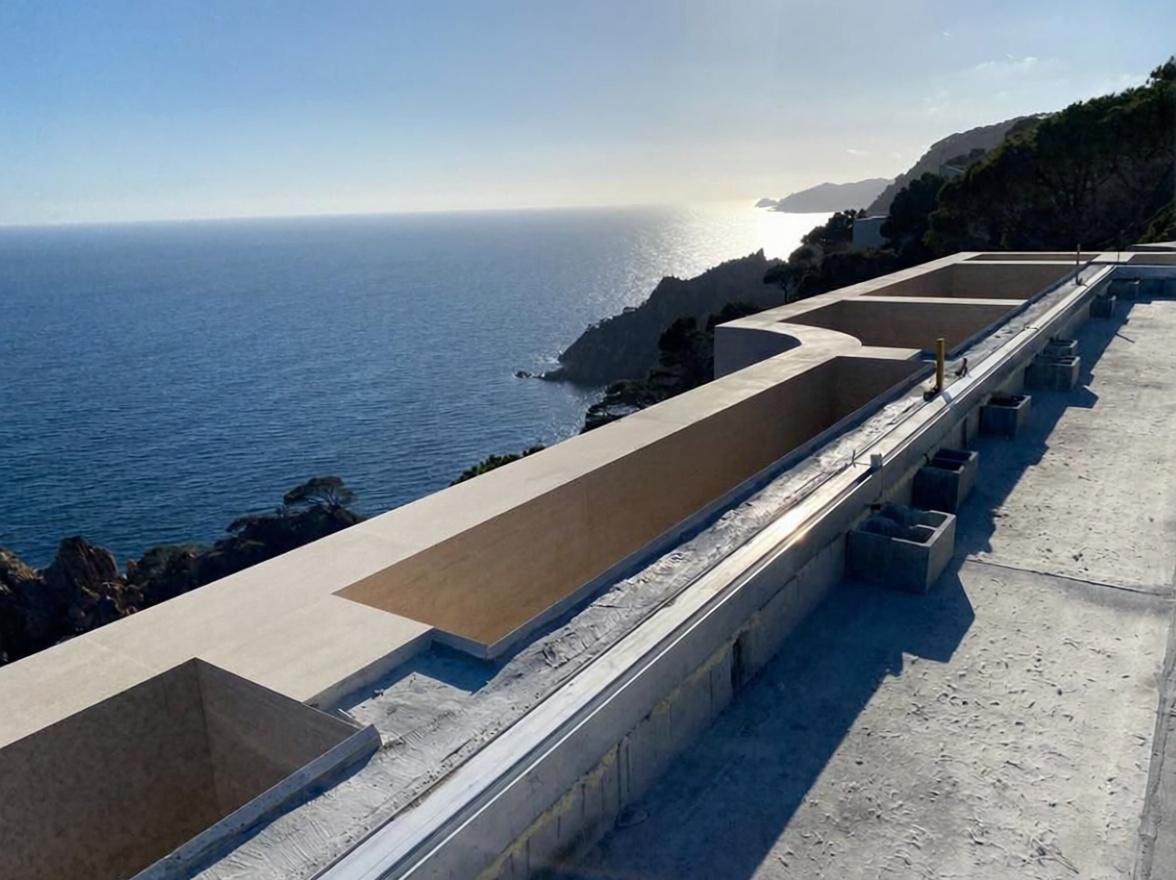
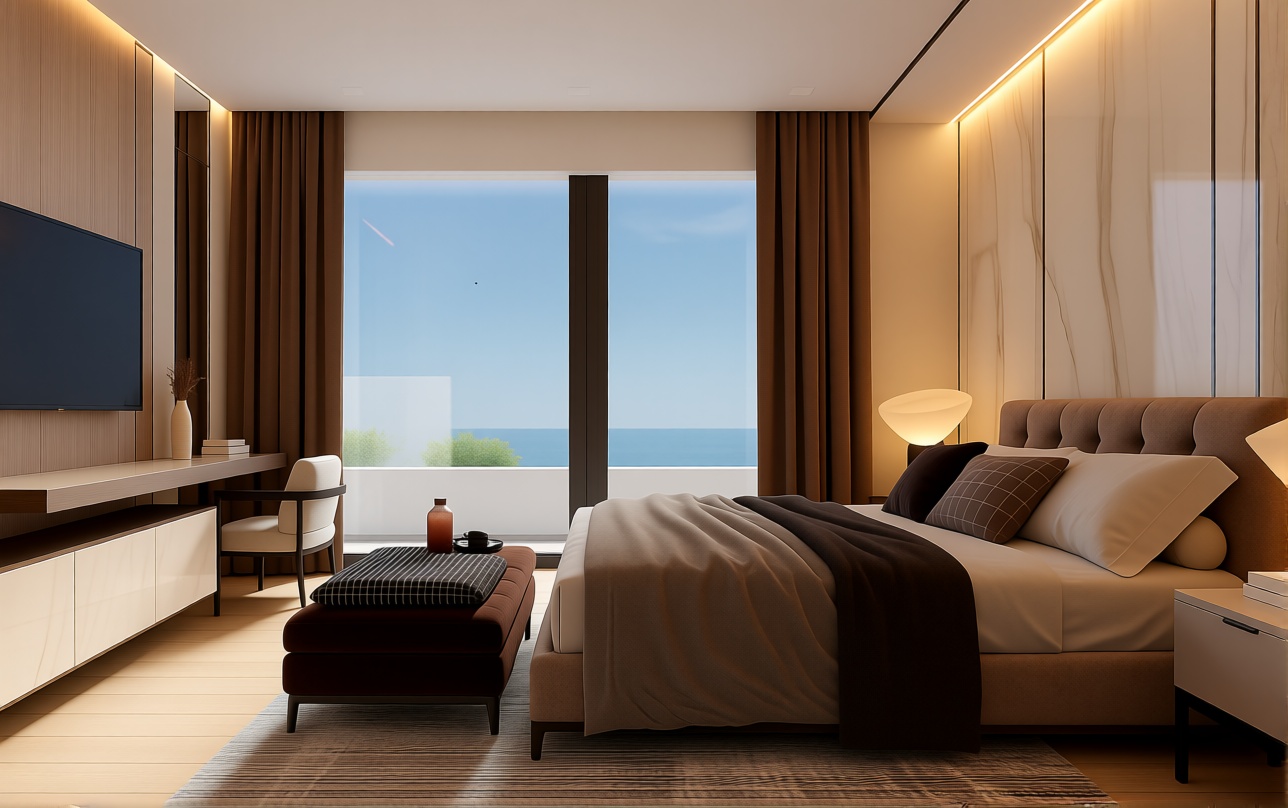
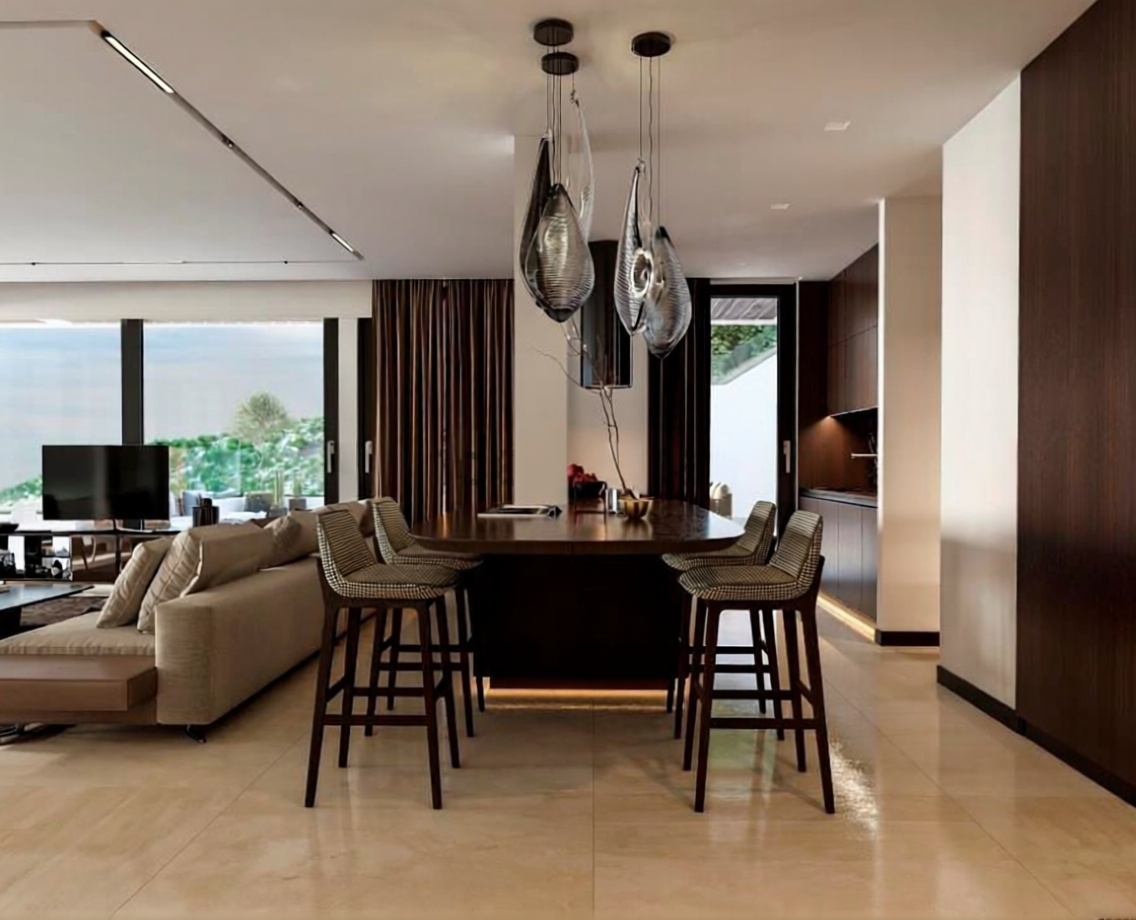
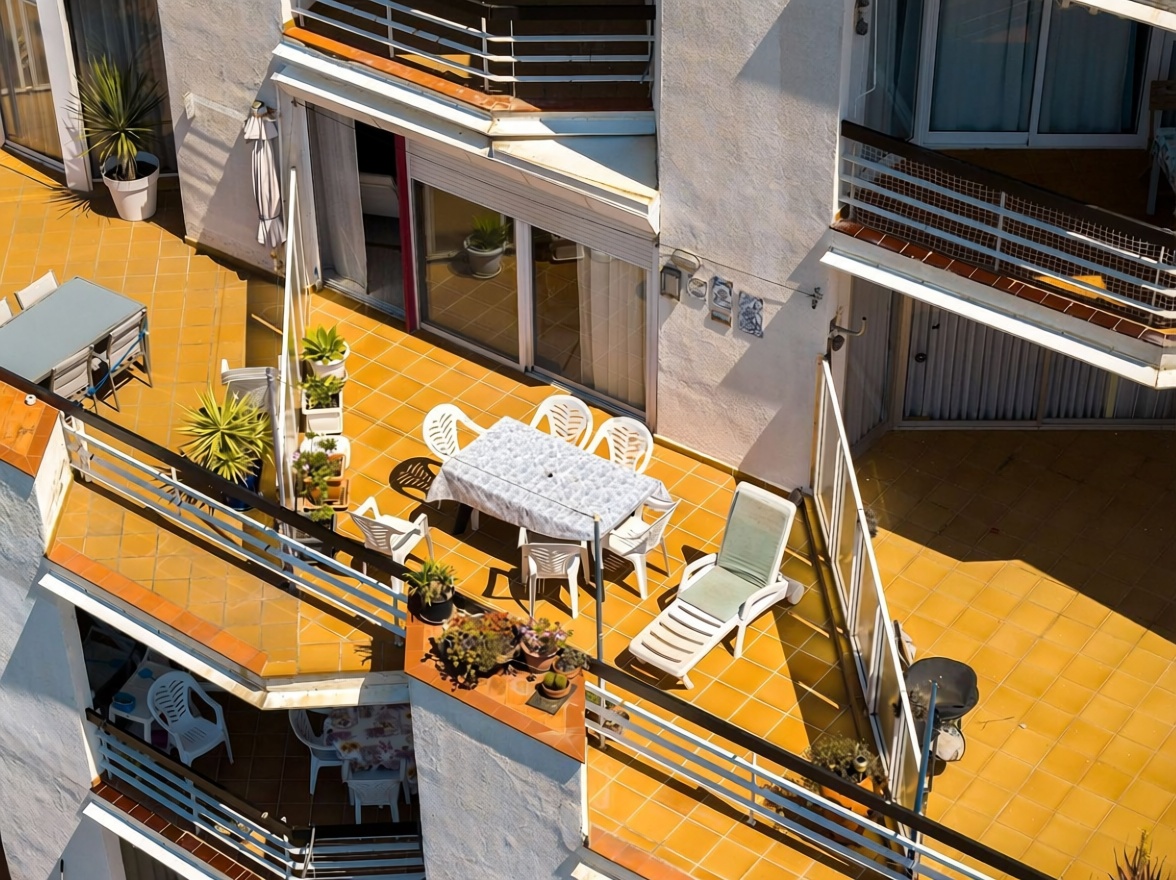
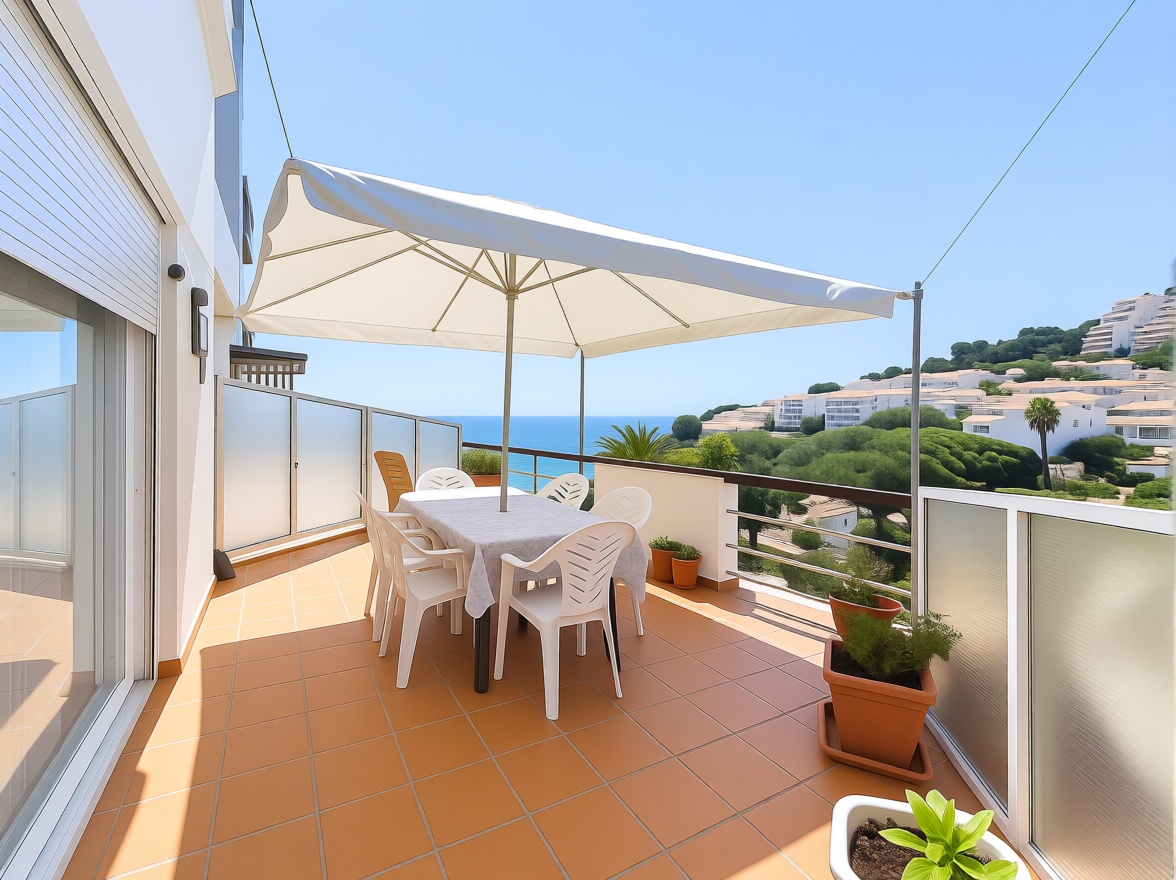
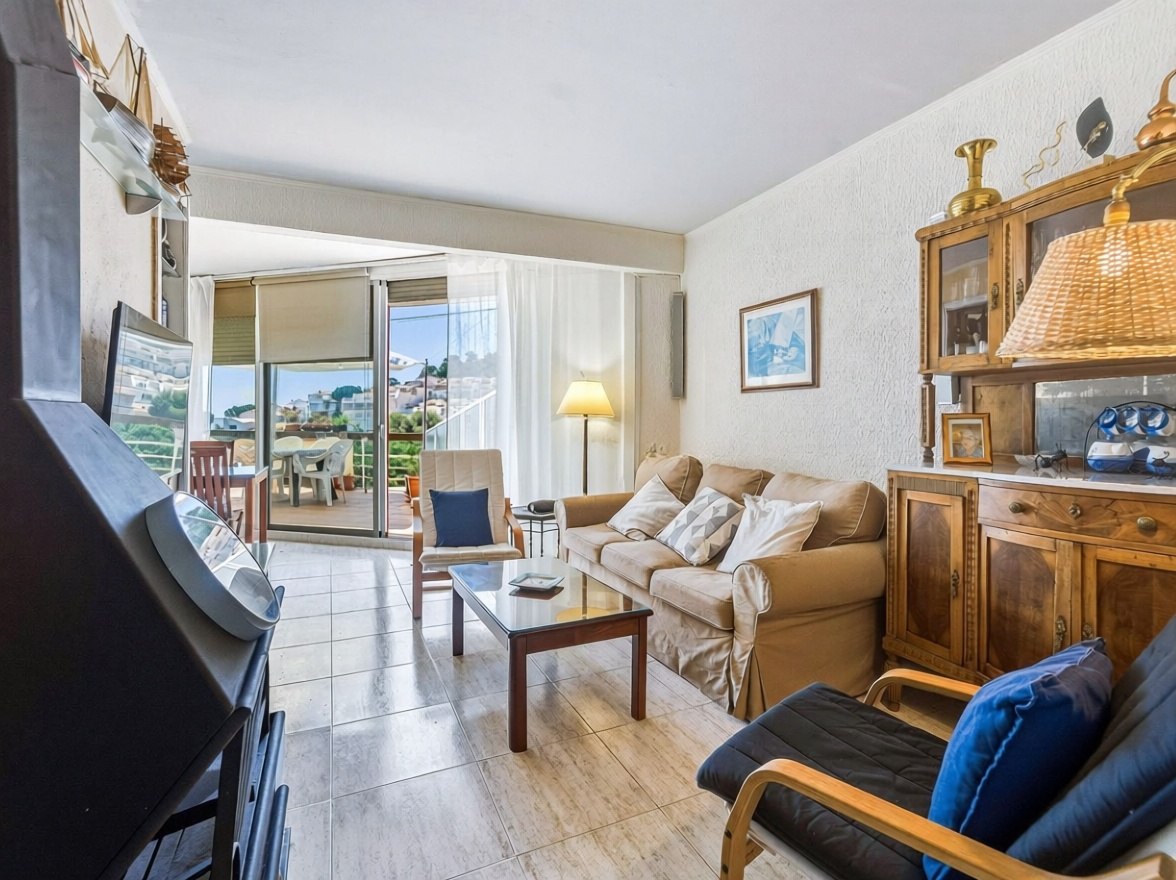
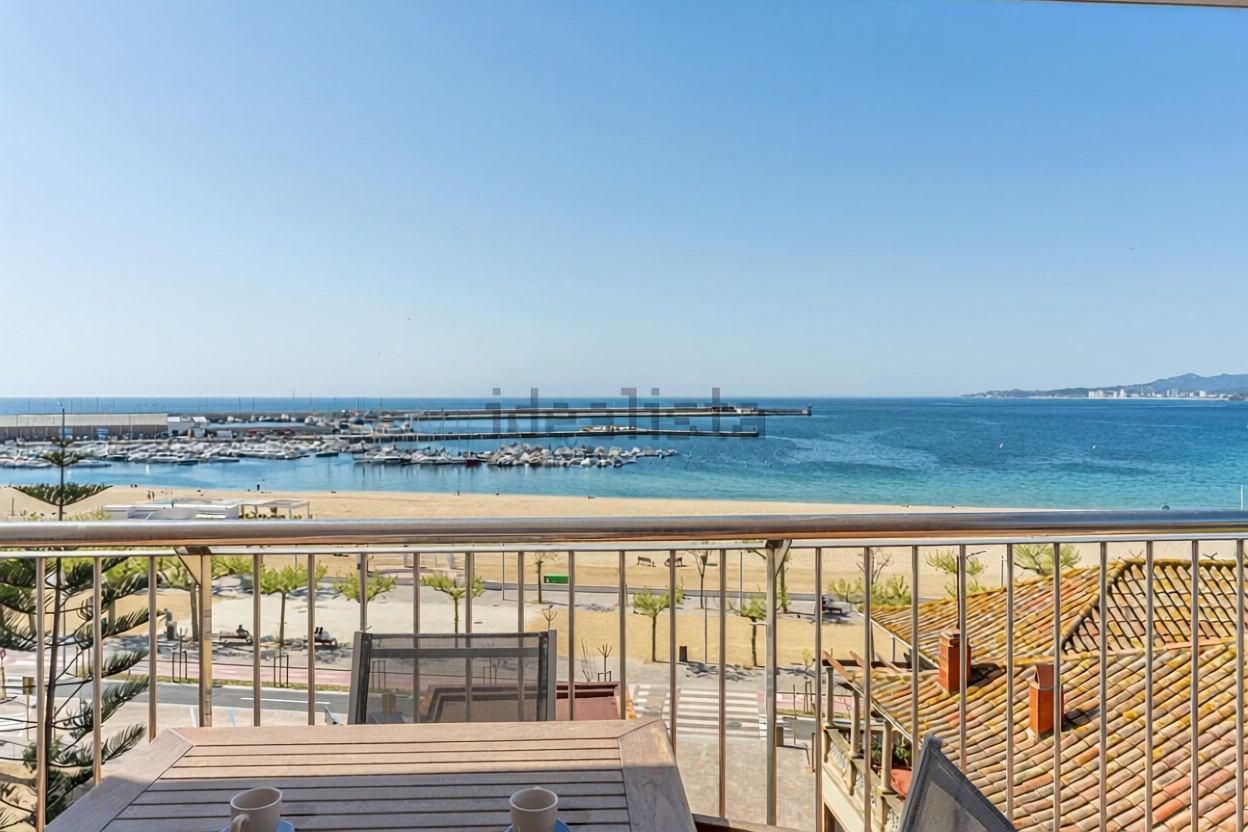
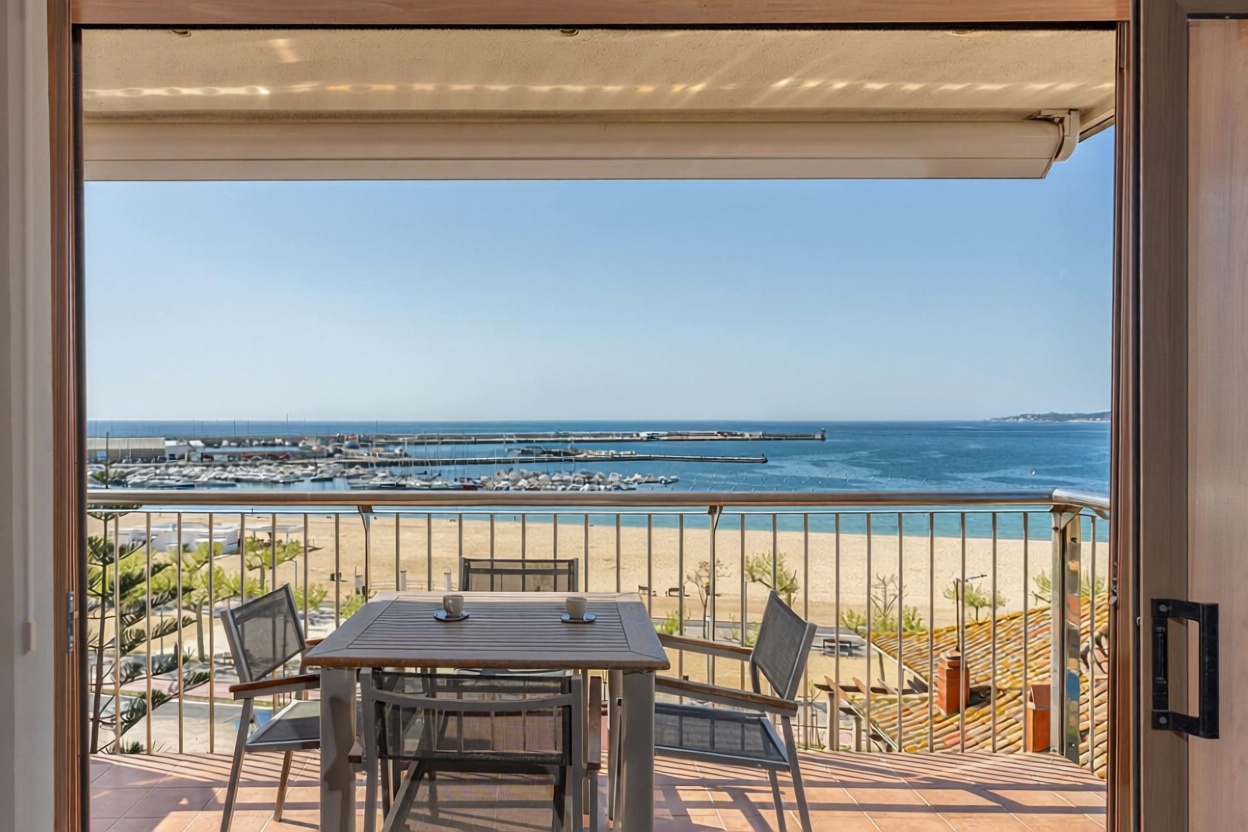
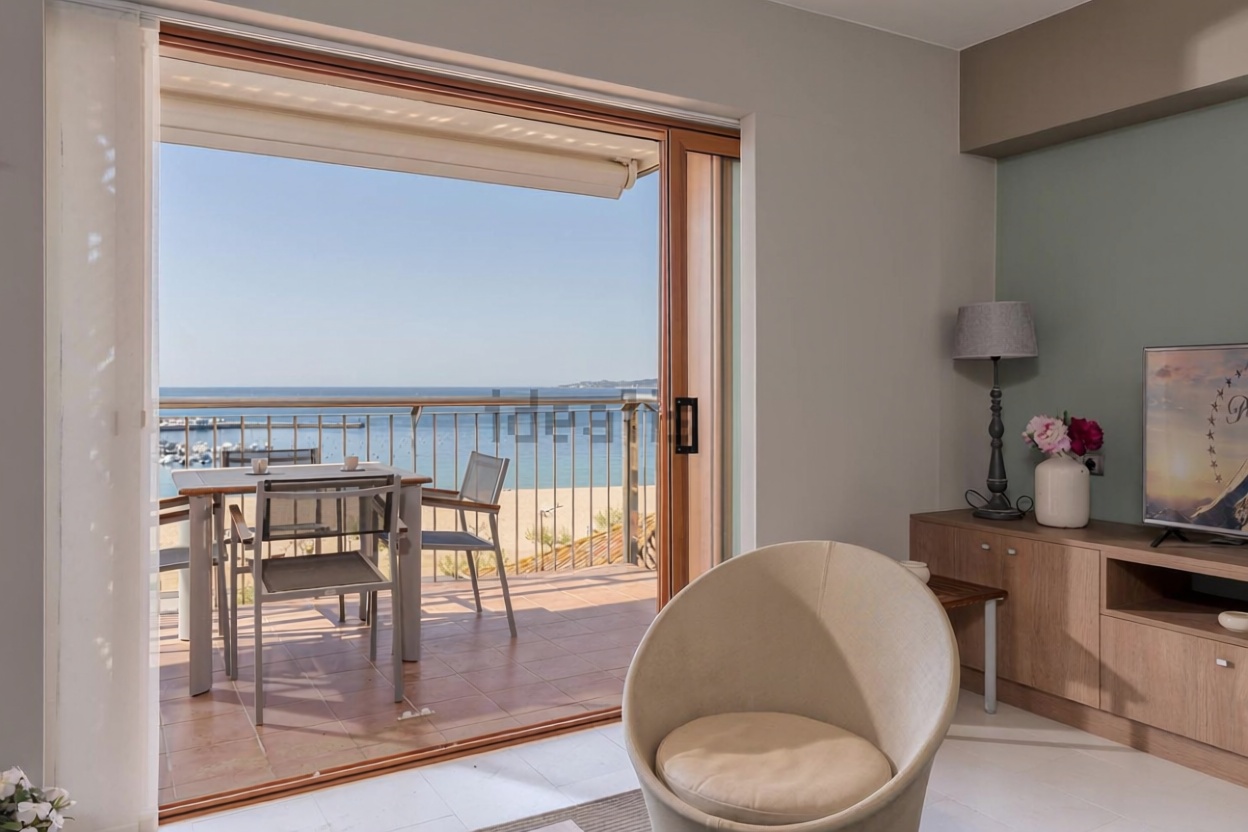
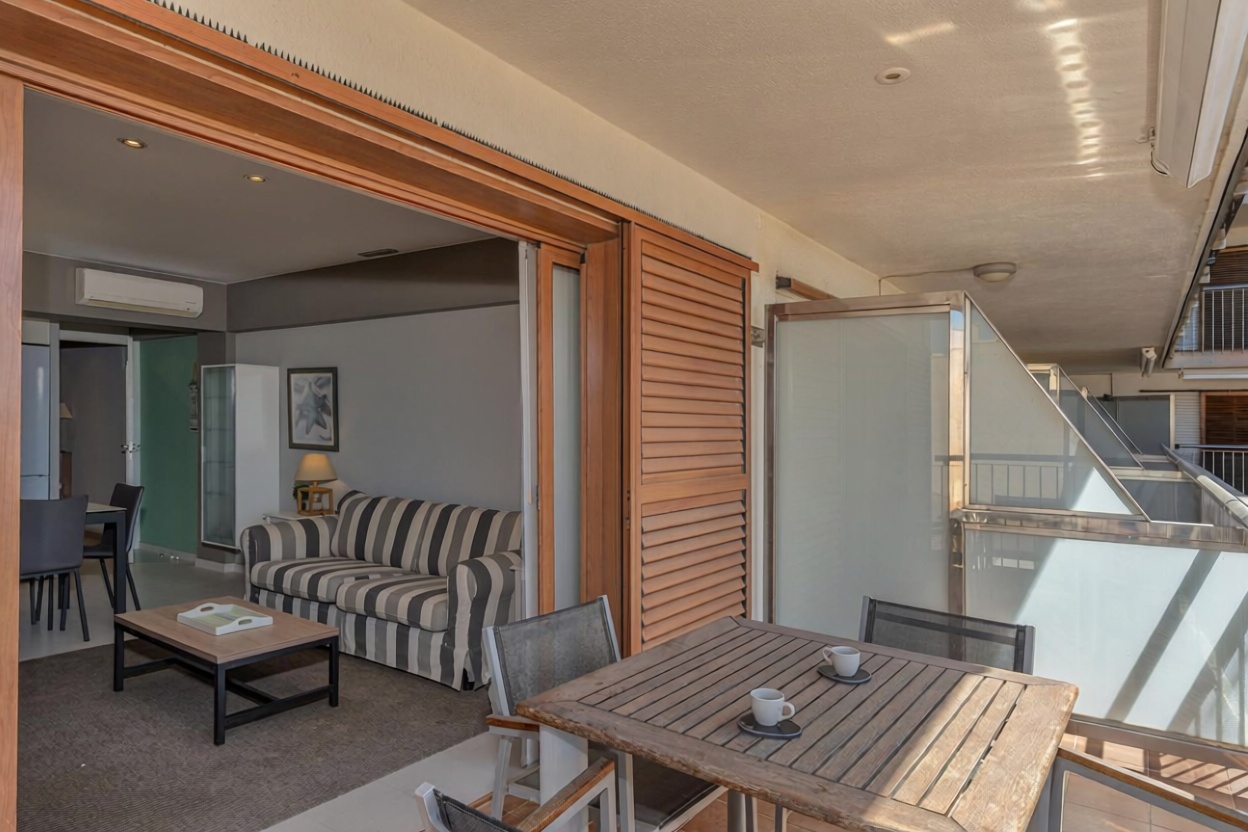
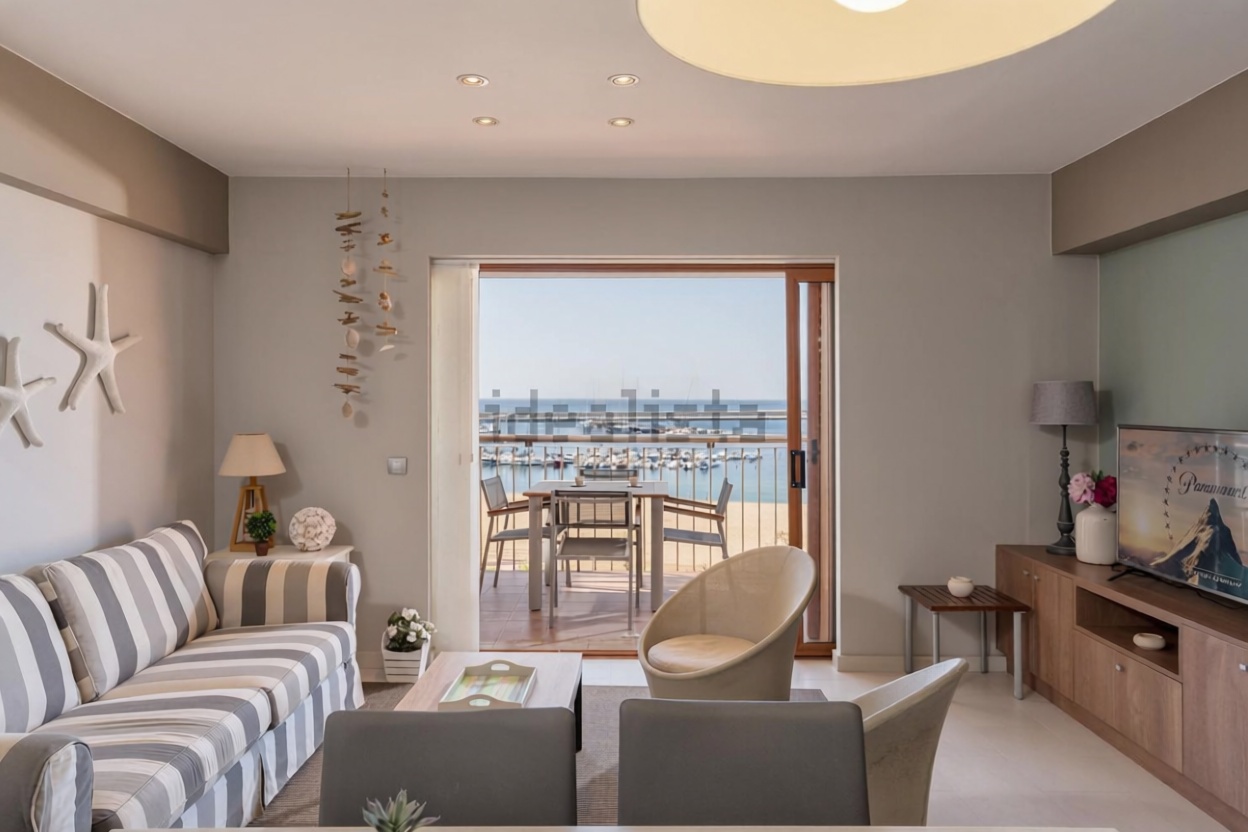
The seafront of Costa Brava offers a variety of housing typologies, from luxury penthouses to cozy apartments. In areas like Platja d'Aro, seafront properties often feature modern designs with direct beach access, appealing to those seeking a contemporary lifestyle. Meanwhile, in more traditional towns like Cadaqués, homes reflect the region's architectural heritage, with whitewashed facades and terracotta roofs.
The urban fabric along the coast varies, with some areas offering bustling promenades lined with shops and restaurants, while others provide quieter, residential settings. This diversity allows potential homeowners to choose a location that best suits their lifestyle preferences, whether they seek a vibrant social scene or a peaceful retreat.
In conclusion, Costa Brava presents a unique opportunity for those looking to invest in a seafront home. With its stunning beaches, rich cultural heritage, and diverse range of activities, the region offers an unparalleled living experience on the Mediterranean coast.