Guide of Costa Cantabria
Average price per m²
4.708€/m²
Based on 56 active listings in Costa Cantabria
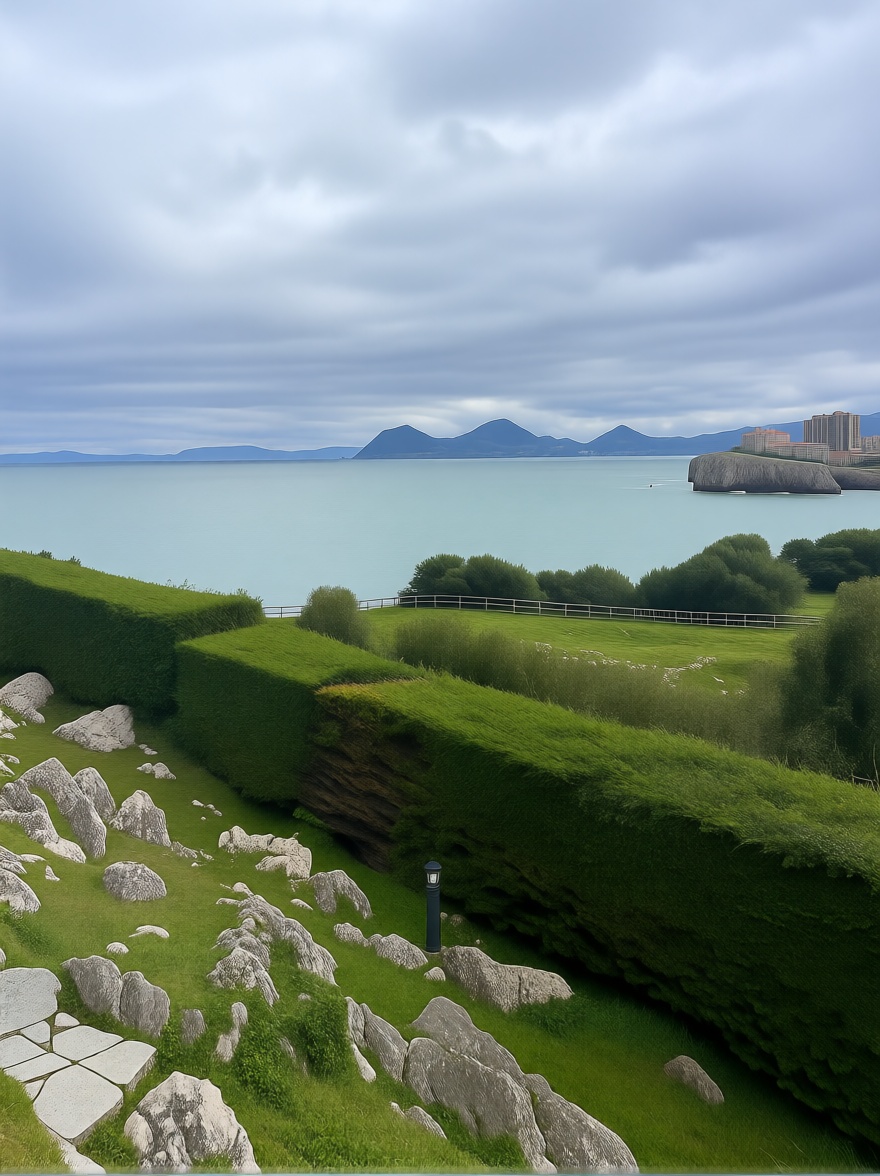
The Costa Cantabria, located in the northern region of Spain, is known for its rugged coastline and lush green landscapes. This area is characterized by its unique blend of natural beauty and cultural richness. The region's coastline, with its dramatic cliffs and sandy beaches, offers a picturesque setting for those seeking a seafront home. The presence of the Cantabrian Sea adds to the appeal, providing opportunities for various water activities and a distinct maritime culture.
The beaches of Costa Cantabria
Costa Cantabria boasts a variety of beaches, each offering its own unique charm. Playa de la Magdalena, situated near Santander, is known for its fine golden sand and is a popular spot for both locals and tourists. It features a promenade that provides easy access and is equipped with essential services, making it ideal for family outings.
Another notable beach is Playa de Langre, famous for its stunning cliffs and clear waters. This beach is more secluded, offering a sense of tranquility and natural beauty. It's a favorite among surfers due to its excellent wave conditions. Accessibility is slightly more challenging, with a descent required to reach the beach, but the effort is rewarded with breathtaking views.
Playa de Somo, located across the bay from Santander, is a long stretch of sandy beach that is perfect for water sports enthusiasts. It is well-equipped with facilities and has a lively atmosphere, attracting both surfers and beachgoers. The beach is easily accessible and offers ample parking, making it a convenient choice for visitors.
Living in Costa Cantabria: climate and year-round population
The climate in Costa Cantabria is typically mild, with warm summers and cool, wet winters. The region benefits from the moderating influence of the Cantabrian Sea, which helps maintain a pleasant climate throughout the year. During the winter months, the population is smaller, and the area takes on a more relaxed pace, with local life focusing on traditional activities and community events.
Water and nautical activities in Costa Cantabria
Costa Cantabria offers a plethora of water-based activities, thanks to its extensive coastline and favorable sea conditions. Sailing is particularly popular, with several nautical clubs and marinas providing facilities and services for enthusiasts. The Marina de Santander is a key hub for yachting and sailing activities, offering mooring services and a range of amenities.
Surfing is another major attraction, with beaches like Playa de Somo and Playa de Langre providing excellent conditions for both beginners and experienced surfers. Surf schools and rental shops are available, catering to the needs of visitors looking to enjoy the waves.
Cultural tourism: heritage and traditions of Costa Cantabria
Costa Cantabria is rich in cultural heritage, with numerous historical sites and traditions that attract visitors year-round. The Altamira Caves, a UNESCO World Heritage Site, are renowned for their prehistoric cave paintings and offer a glimpse into the region's ancient past. Guided tours provide insights into the significance of these artworks and the history of human habitation in the area.
In addition to its historical sites, Costa Cantabria hosts various festivals that celebrate local traditions and culture. The Semana Grande in Santander is a highlight, featuring parades, concerts, and traditional dance performances. This festival showcases the vibrant cultural life of the region and attracts visitors from across Spain and beyond.
Economy and business fabric of Costa Cantabria
The economy of Costa Cantabria is diverse, with key sectors including tourism, agriculture, and maritime industries. The region's fertile land supports a thriving agricultural sector, producing a variety of crops and livestock. Dairy farming is particularly prominent, contributing to the production of high-quality dairy products.
The maritime industry also plays a significant role, with fishing and shipbuilding being important economic activities. The Port of Santander is a major commercial hub, facilitating trade and providing employment opportunities in the region.
Tourism in Costa Cantabria
Tourism is a vital component of the economy in Costa Cantabria, with the region attracting visitors for its natural beauty, cultural heritage, and recreational opportunities. The area's beaches, historical sites, and festivals draw a diverse range of tourists, from families to adventure seekers.
The tourism sector is well-developed, with a range of accommodations and services catering to different visitor needs. The region's commitment to sustainable tourism practices ensures that its natural and cultural resources are preserved for future generations.
Gastronomy and local products
Costa Cantabria is renowned for its rich culinary heritage, with a focus on fresh, locally sourced ingredients. The region is famous for its seafood, with dishes such as rabas (fried squid) and marmita (a fish stew) being local favorites. The area's dairy products, including cheeses and yogurts, are also highly regarded.
The region's gastronomy is complemented by its wine production, with several local vineyards offering tastings and tours. The combination of fresh produce and traditional recipes makes Costa Cantabria a destination for food enthusiasts.
Transport and services
Costa Cantabria is well-connected, with a network of roads and public transport options facilitating easy access to the region. The A-8 motorway runs along the coast, linking major towns and cities. Santander Airport provides domestic and international flights, serving as a gateway for visitors.
The region also offers essential services, including healthcare and education facilities. Hospitals and clinics are available in major towns, ensuring residents have access to medical care. Educational institutions, from primary schools to universities, provide a range of learning opportunities.
The seafront in Costa Cantabria
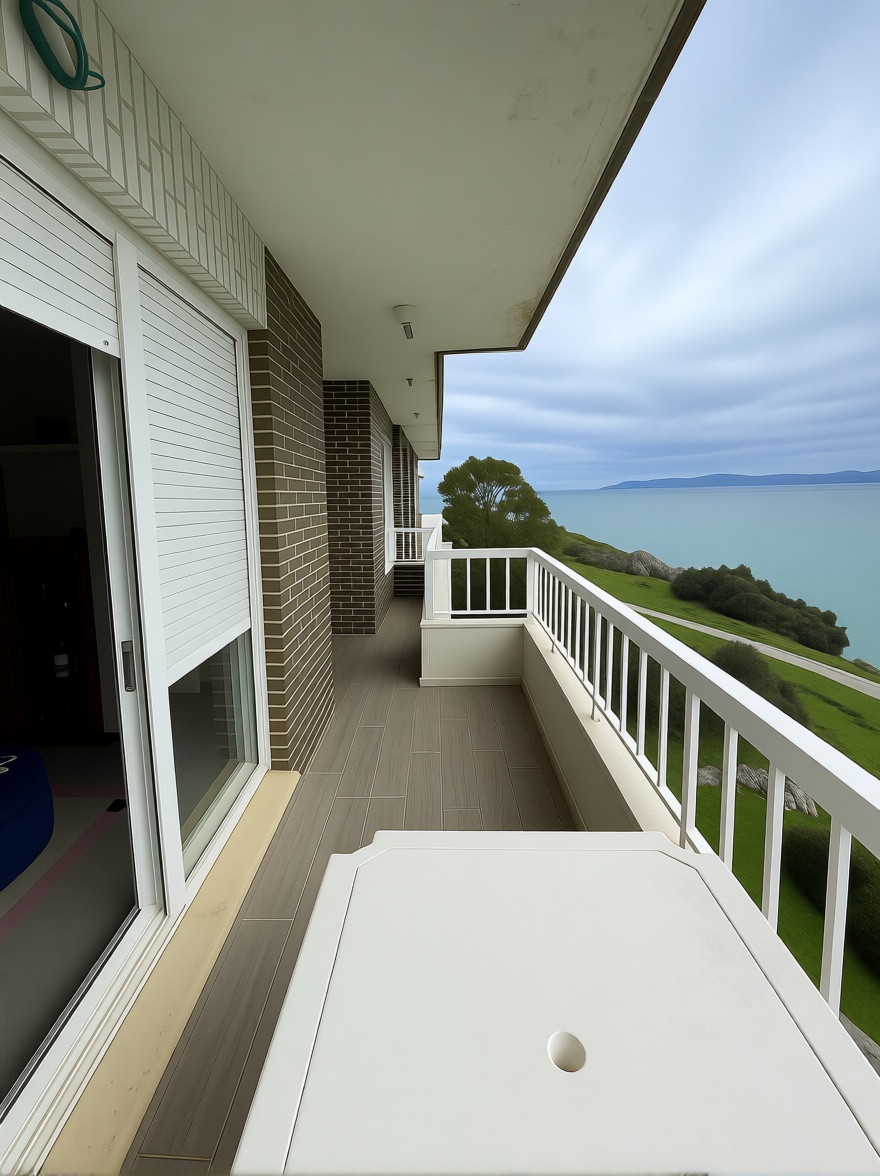
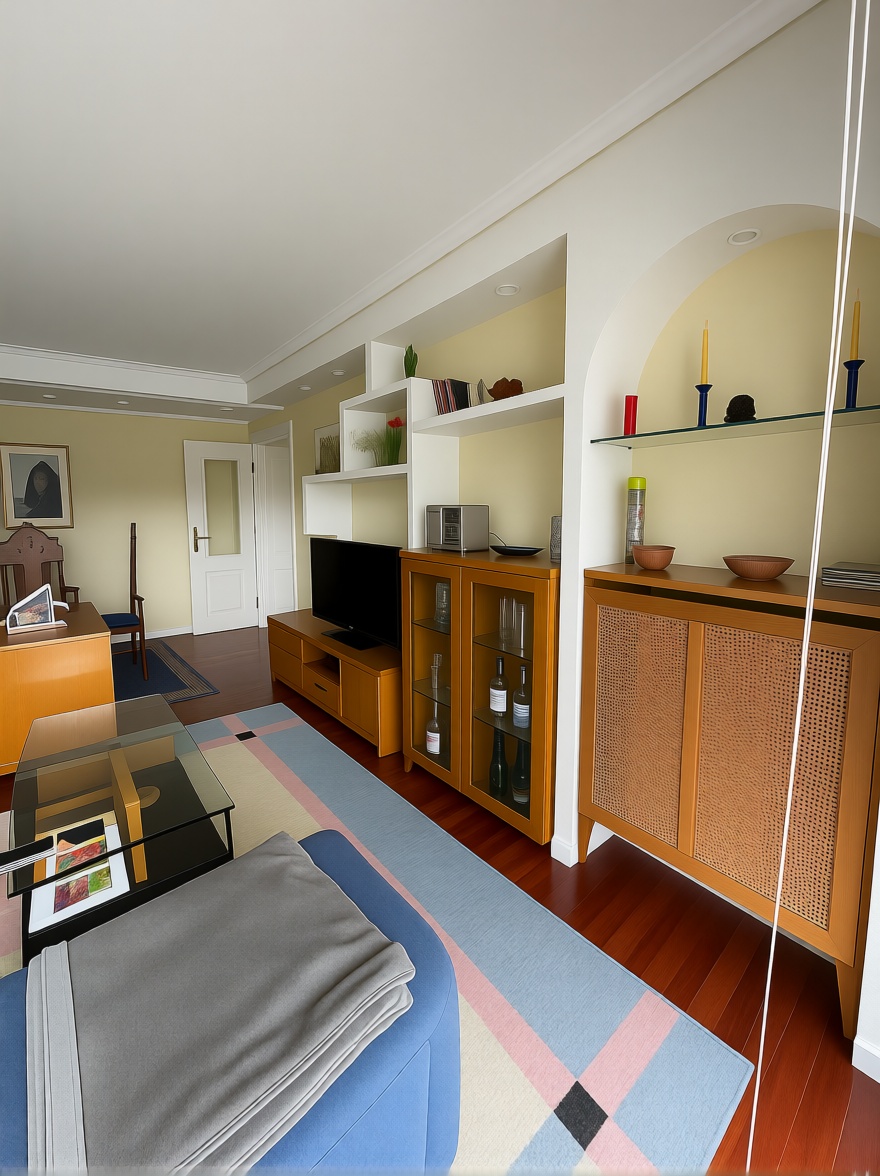
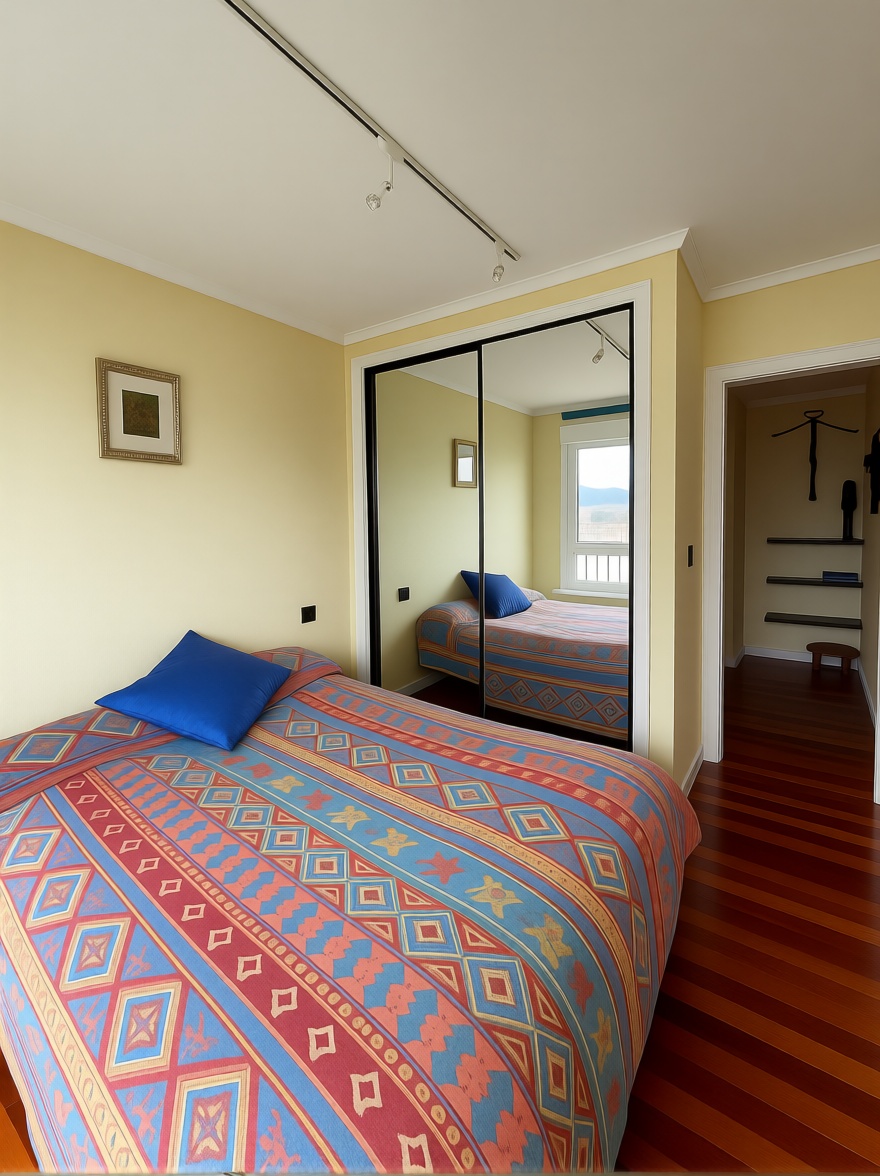
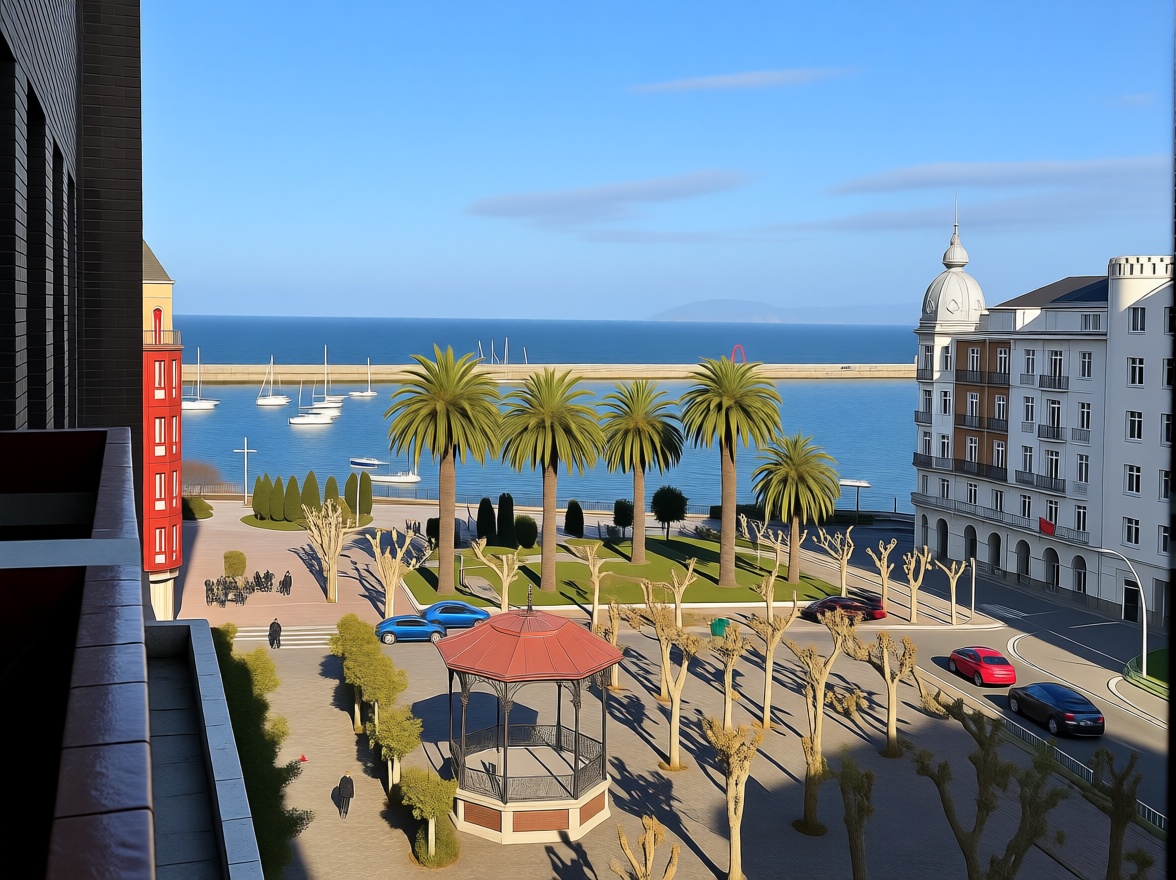
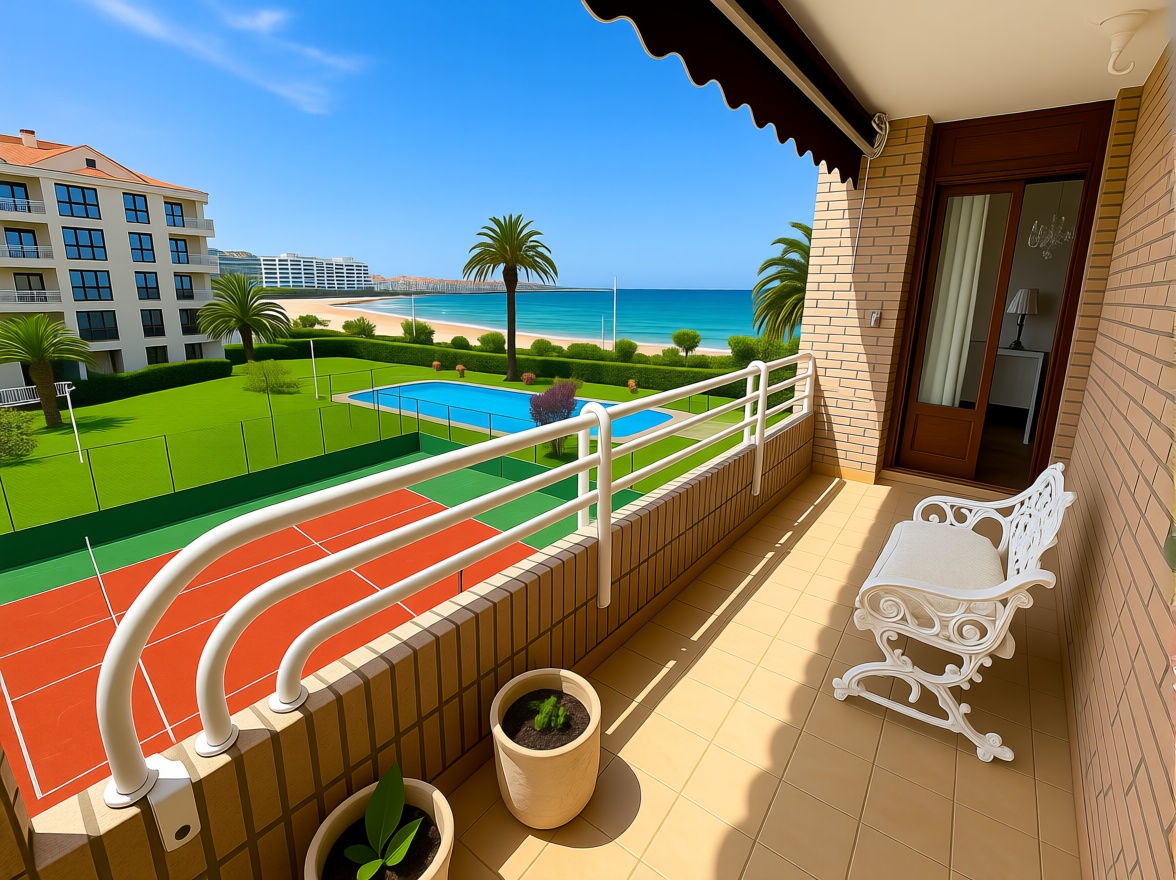
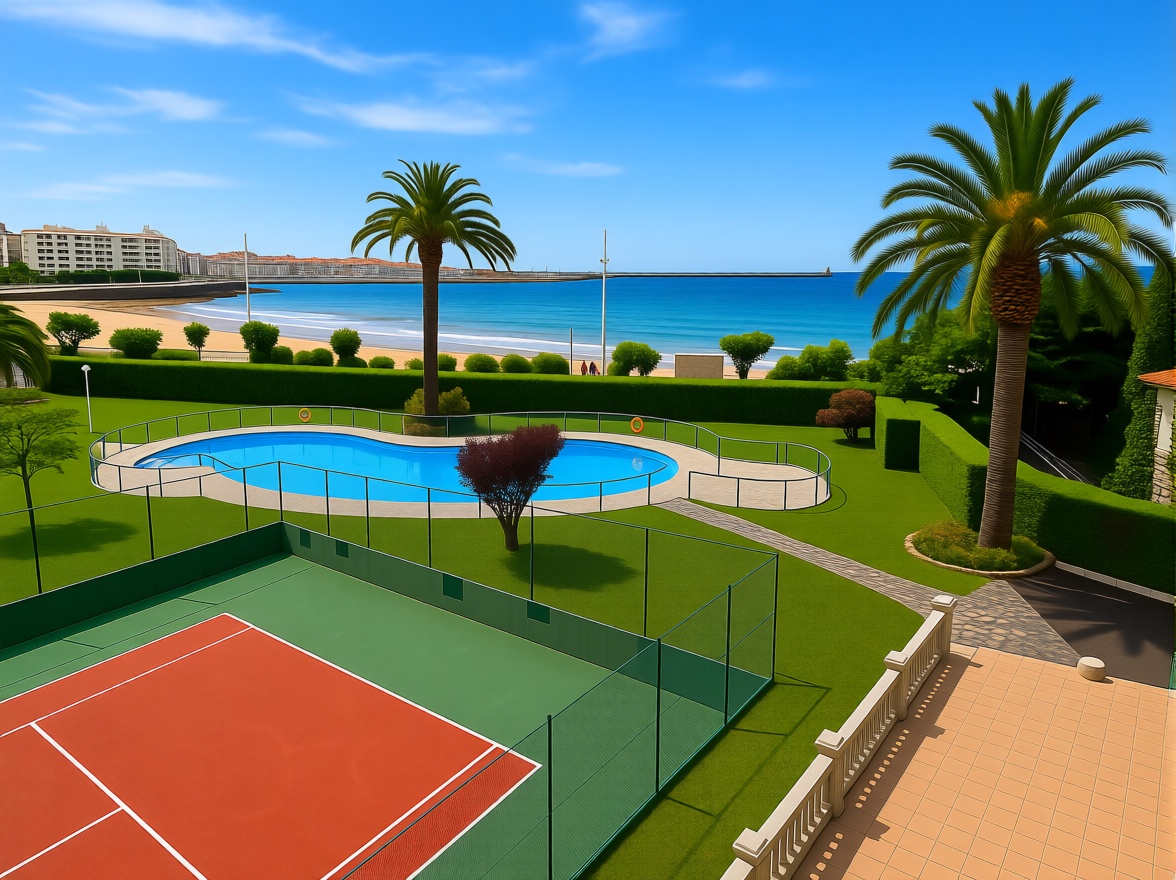
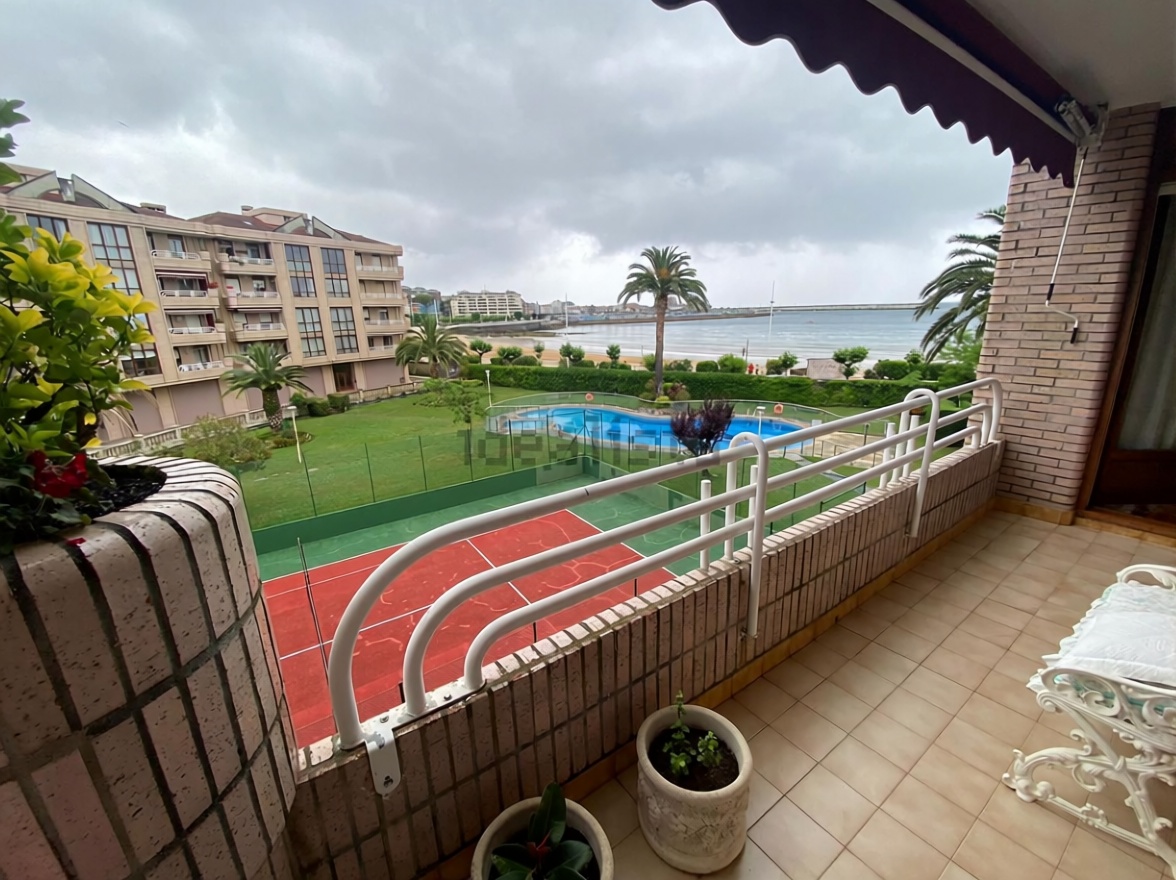
The seafront in Costa Cantabria offers a variety of housing options, from modern apartments to traditional houses with direct beach access. The urban fabric varies along the coastline, with some areas featuring bustling promenades and others offering quieter residential stretches.
In popular areas like Santander, seafront properties include penthouses and apartments with stunning sea views. These homes are often located near amenities and offer a convenient lifestyle for those seeking a coastal residence. The diversity of housing options ensures that there is something to suit different preferences and needs.
In conclusion, Costa Cantabria presents a unique opportunity for those looking to purchase a home on the seafront. With its stunning natural landscapes, rich cultural heritage, and vibrant local life, the region offers an attractive setting for both permanent residents and holidaymakers.