Guide of Costa da Morte
Average price per m²
3.182€/m²
Based on 71 active listings in Costa da Morte
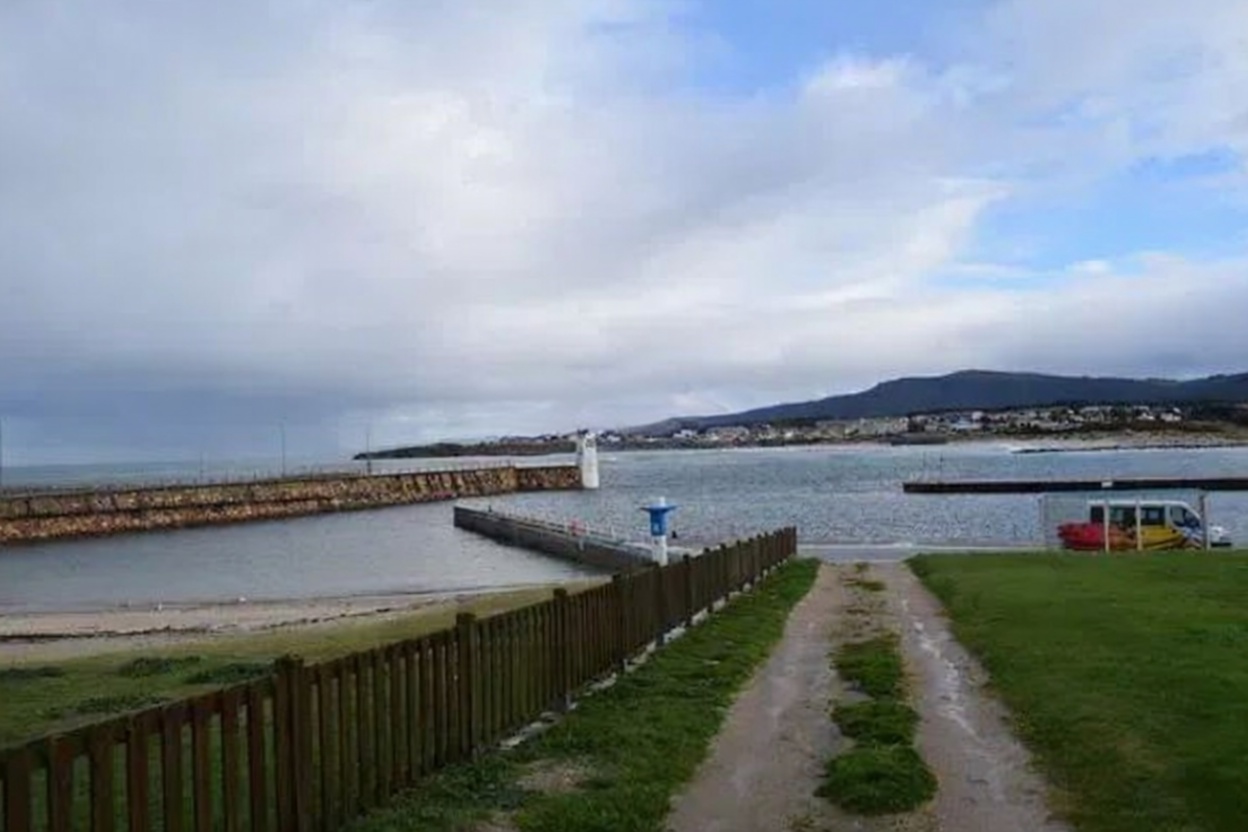
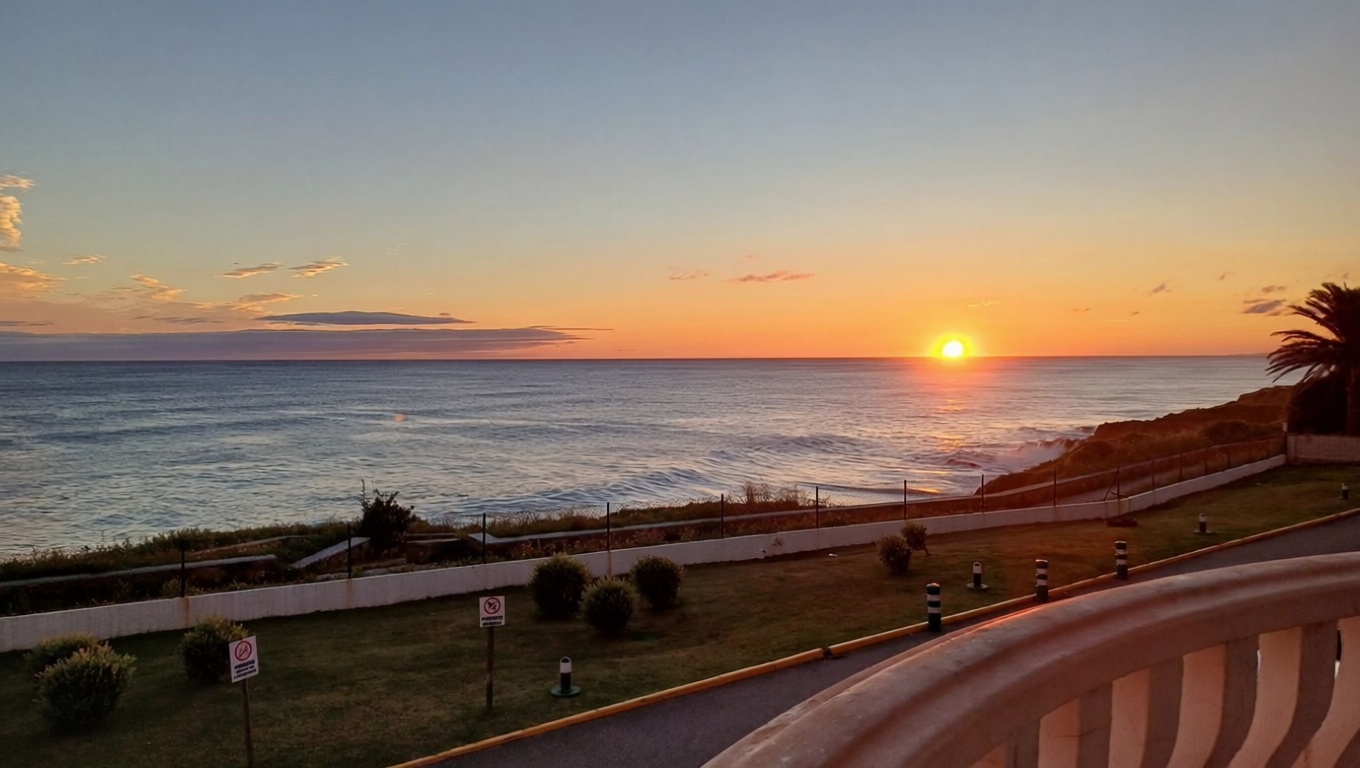
The Costa da Morte, located in the northwestern region of Galicia, Spain, is a rugged and dramatic stretch of coastline known for its breathtaking landscapes and rich maritime history. This area, which translates to the "Coast of Death," is characterized by its rocky cliffs, powerful Atlantic waves, and a series of lighthouses that have guided sailors for centuries. The region is not only a testament to the natural beauty of Galicia but also a place of cultural significance, with numerous fishing villages and historic sites dotting the coast.
The beaches of Costa da Morte
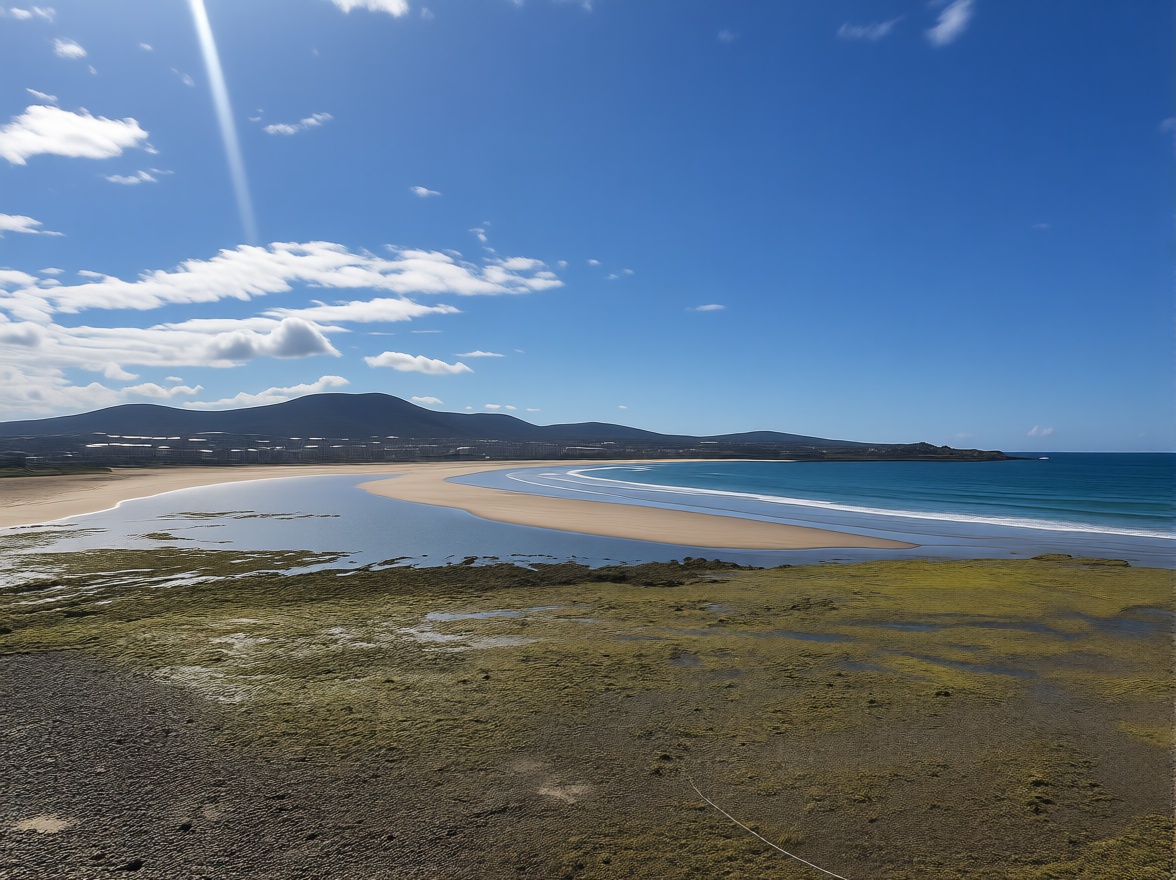
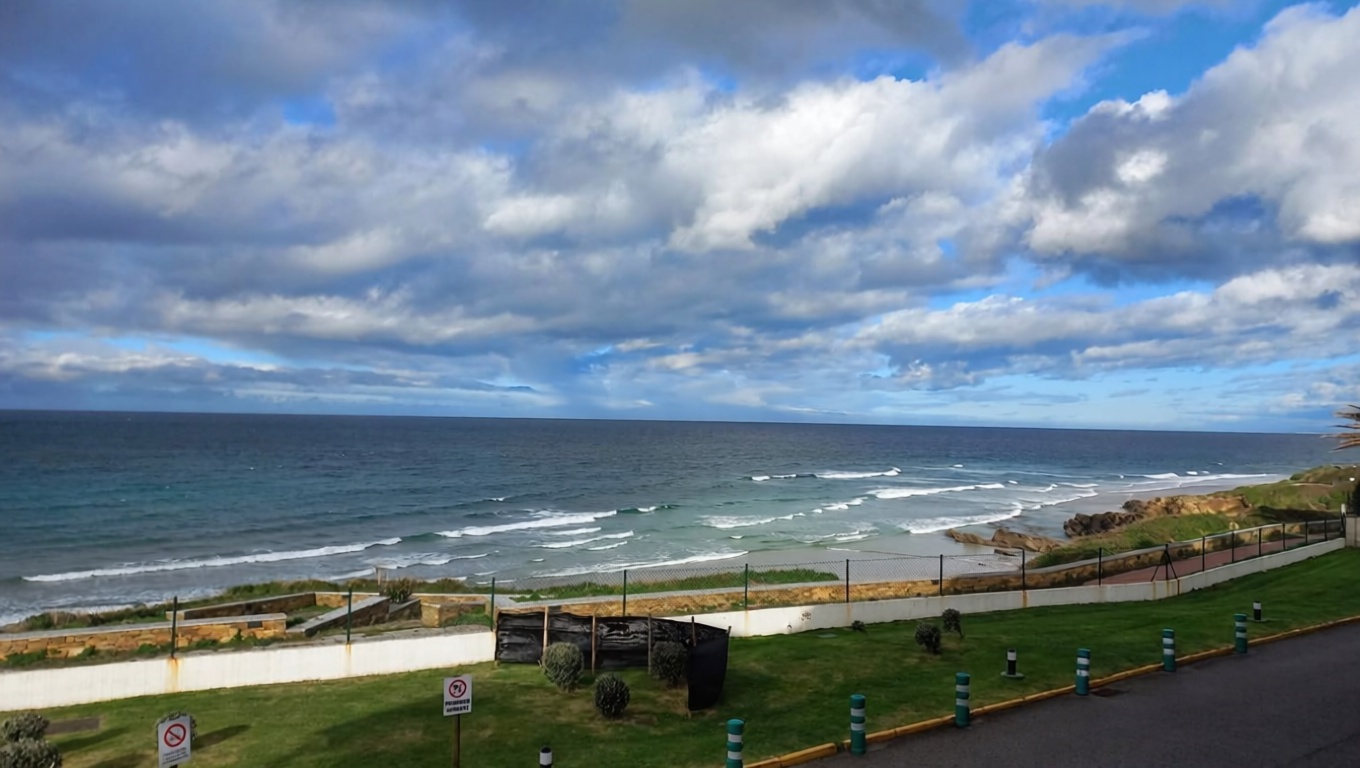
The Costa da Morte is home to a variety of beaches, each offering its own unique charm and appeal. Playa de Razo, with its expansive sandy stretches, is a favorite among surfers due to its consistent waves. The beach is equipped with basic amenities and offers a natural setting for those seeking tranquility. Playa de Laxe, another popular spot, is known for its fine white sand and calm waters, making it ideal for families. It features a promenade that provides easy access and a pleasant walk along the coast.
For those interested in more secluded spots, Playa de Traba offers a more rugged experience with its wild dunes and natural beauty. This beach is less developed, providing a more intimate connection with nature. Playa de Soesto is another hidden gem, popular among locals and visitors looking for a quieter beach experience. Its natural setting and clear waters make it a perfect spot for relaxation and enjoying the scenic views.
Living in Costa da Morte: climate and year-round population
The Costa da Morte experiences a temperate maritime climate, characterized by mild, wet winters and cool, dry summers. This climate creates a lush, green landscape that is typical of the Galician coast. The region is known for its smaller year-round resident population, which swells during the summer months as tourists and seasonal visitors arrive, drawn by the area's natural beauty and cultural attractions.
Water and nautical activities in Costa da Morte
The Costa da Morte offers a wide range of water and nautical activities, taking advantage of its extensive coastline and rich maritime tradition. Surfing is particularly popular, with several beaches like Playa de Razo providing excellent conditions for both beginners and experienced surfers. The region also offers opportunities for sailing and fishing, with local companies providing equipment rentals and guided tours.
For those interested in diving, the waters off the coast offer a fascinating underwater landscape, with shipwrecks and diverse marine life to explore. The presence of several nautical clubs and schools along the coast ensures that visitors have access to lessons and equipment needed to enjoy these activities safely.
Cultural tourism: heritage and traditions of Costa da Morte
The Costa da Morte is steeped in history and tradition, with numerous cultural sites and events that reflect its rich heritage. The town of Muxía is home to the Sanctuary of Our Lady of the Boat, a significant pilgrimage site with a legend that ties it to the Apostle James. In addition, the Dolmen de Dombate, a well-preserved megalithic tomb, offers a glimpse into the prehistoric past of the region.
Festivals play an important role in the cultural life of the Costa da Morte. The Festa da Barca in Muxía is a notable event, celebrating the maritime culture and religious traditions of the area. This festival, held in September, attracts visitors from all over Galicia and beyond, offering a unique insight into local customs and community spirit.
Economy and business fabric of Costa da Morte
The economy of the Costa da Morte is primarily based on fishing, agriculture, and tourism. The fishing industry remains a vital part of the local economy, with numerous small ports and harbors supporting a fleet of fishing boats. Agriculture, particularly dairy farming and the cultivation of potatoes and other crops, also contributes to the region's economic activity.
Tourism has become increasingly important, with visitors drawn to the area's natural beauty and cultural heritage. Small businesses, including guesthouses, restaurants, and craft shops, benefit from the influx of tourists, providing a boost to the local economy and supporting the livelihoods of many residents.
Tourism in Costa da Morte
Tourism in the Costa da Morte is centered around its stunning natural landscapes and cultural attractions. The region attracts a diverse range of visitors, from those seeking adventure sports like surfing and hiking to those interested in exploring the area's historical sites and enjoying its culinary offerings. The rugged coastline and picturesque villages provide a unique backdrop for a variety of tourist activities.
The region has also gained recognition for its sustainable tourism practices, with efforts to preserve the natural environment and promote responsible travel. This approach has helped to maintain the Costa da Morte's appeal as a destination for those seeking an authentic and environmentally conscious travel experience.
Gastronomy and local products
The gastronomy of the Costa da Morte is deeply rooted in its maritime heritage, with seafood playing a central role in local cuisine. Dishes such as pulpo a la gallega (Galician-style octopus) and percebes (goose barnacles) are popular among locals and visitors alike. The region is also known for its high-quality fish, including hake and turbot, which are often prepared simply to highlight their natural flavors.
In addition to seafood, the Costa da Morte offers a variety of local products, including cheeses and wines from the nearby Rías Baixas region. These products are celebrated for their quality and form an integral part of the area's culinary identity, offering a taste of Galicia's rich agricultural and maritime traditions.
Transport and services
The Costa da Morte is accessible by road, with several main routes connecting it to major cities in Galicia. The AC-552 and the AC-550 are key roads that run along the coast, providing access to the region's towns and beaches. Public transport options are available, although limited, with bus services connecting some of the larger towns.
For those traveling by air, the nearest major airports are A Coruña and Santiago de Compostela, both offering flights to national and international destinations. Healthcare services in the region include local clinics and health centers, ensuring residents and visitors have access to medical care. Educational facilities and local markets support the needs of the community, contributing to the quality of life in the Costa da Morte.
The seafront in Costa da Morte
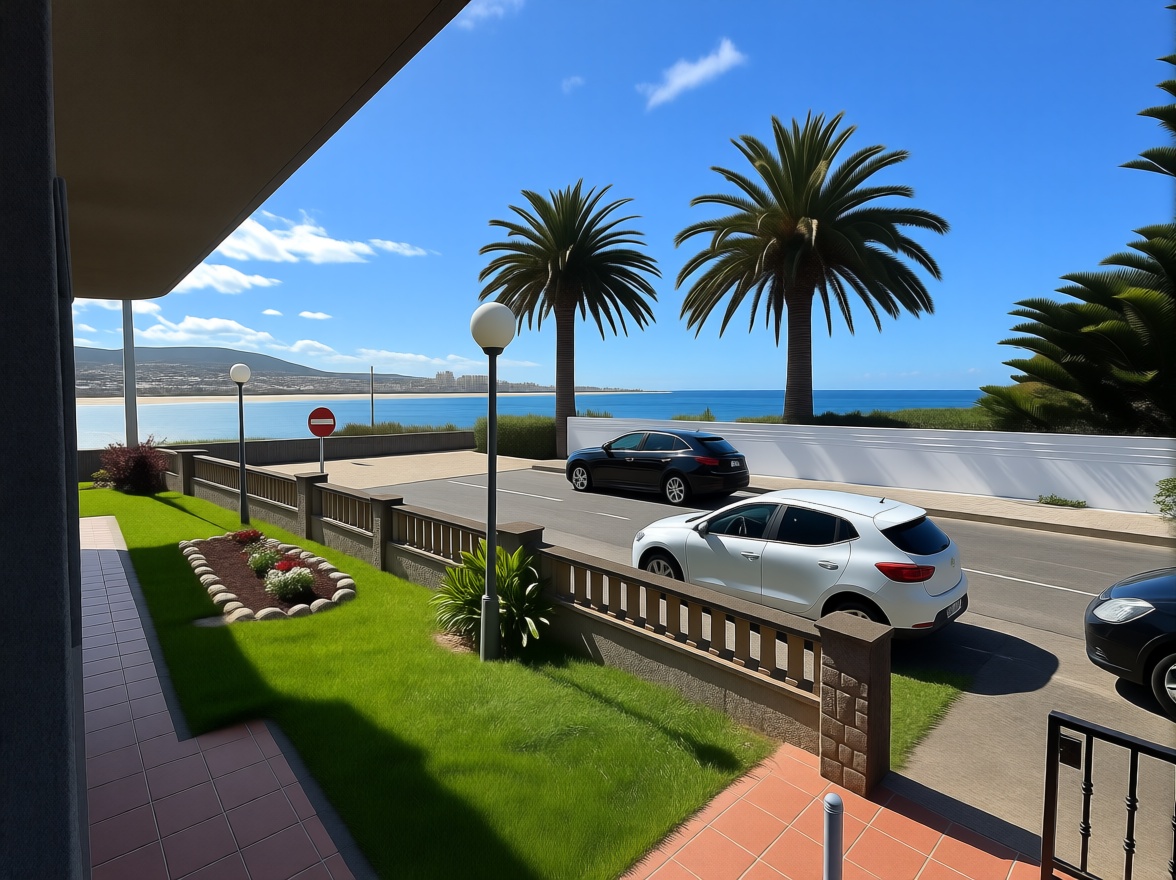
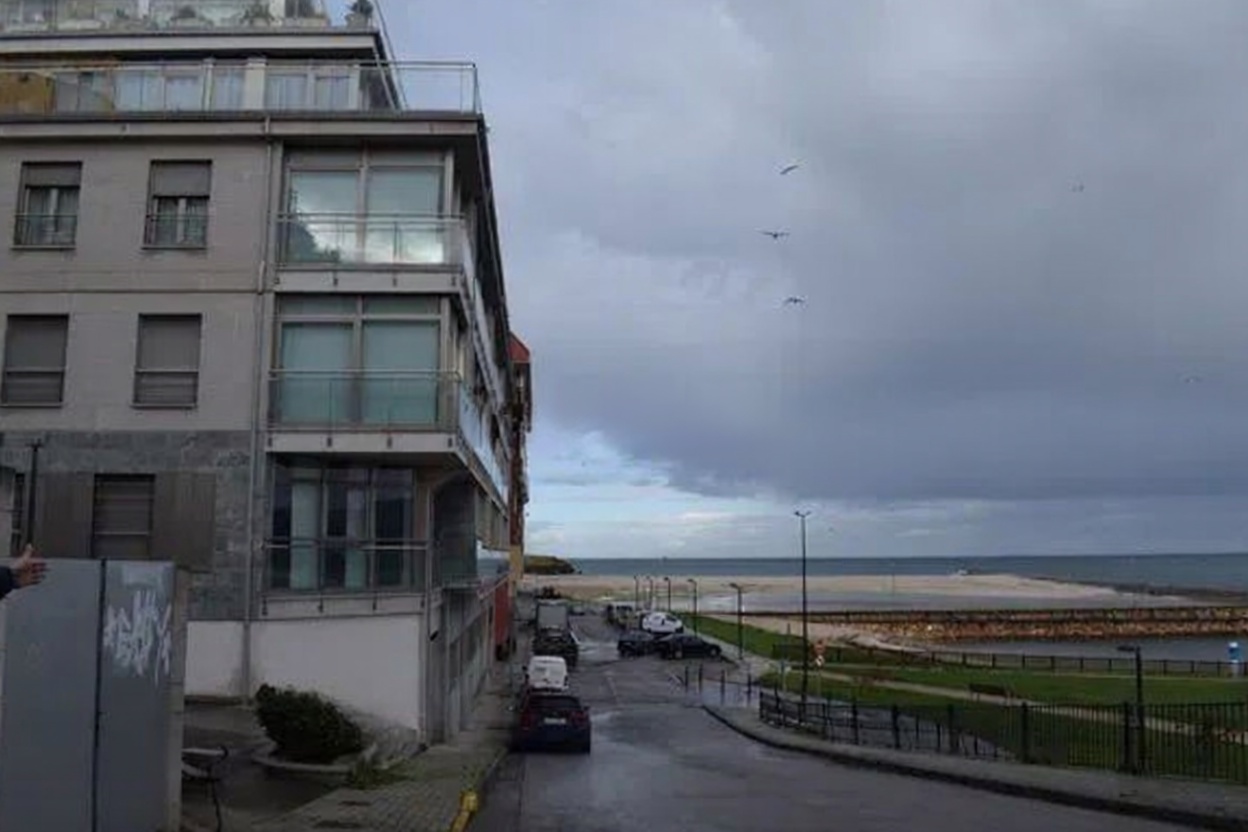
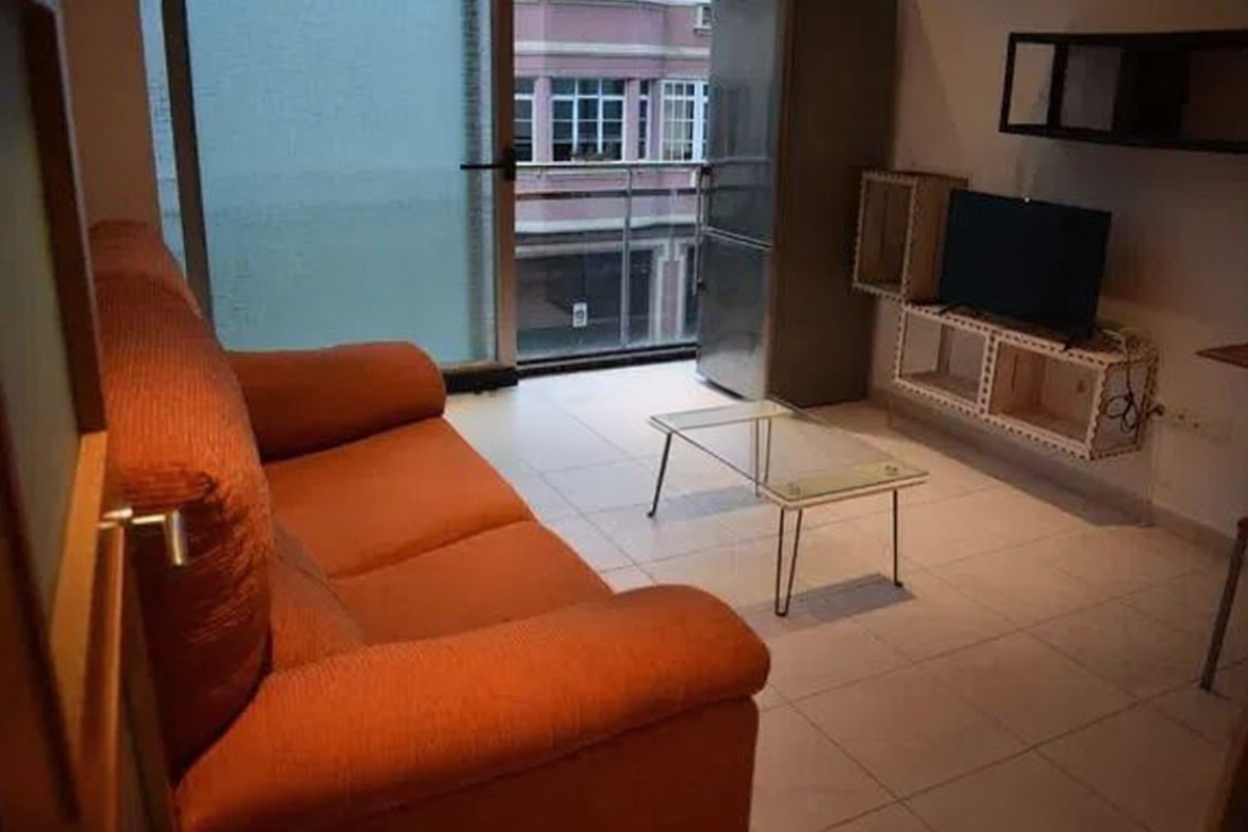
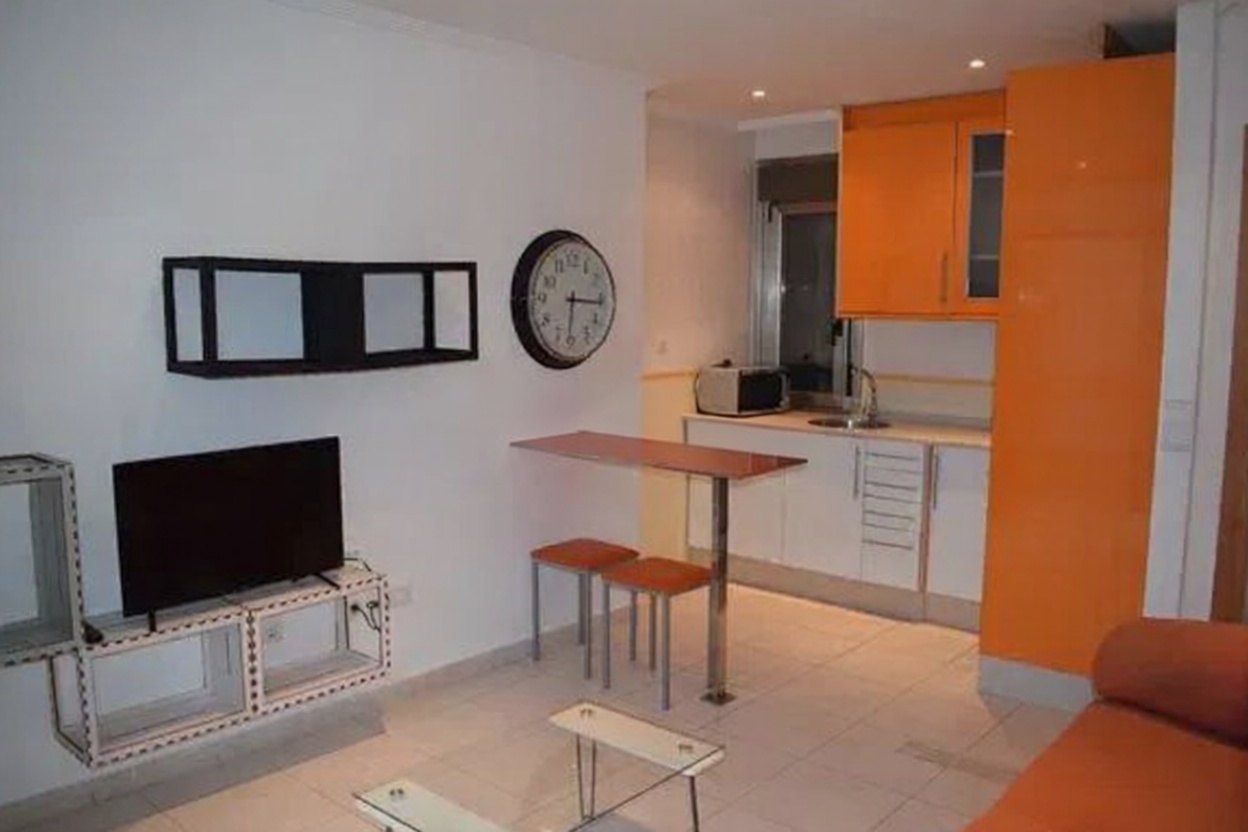
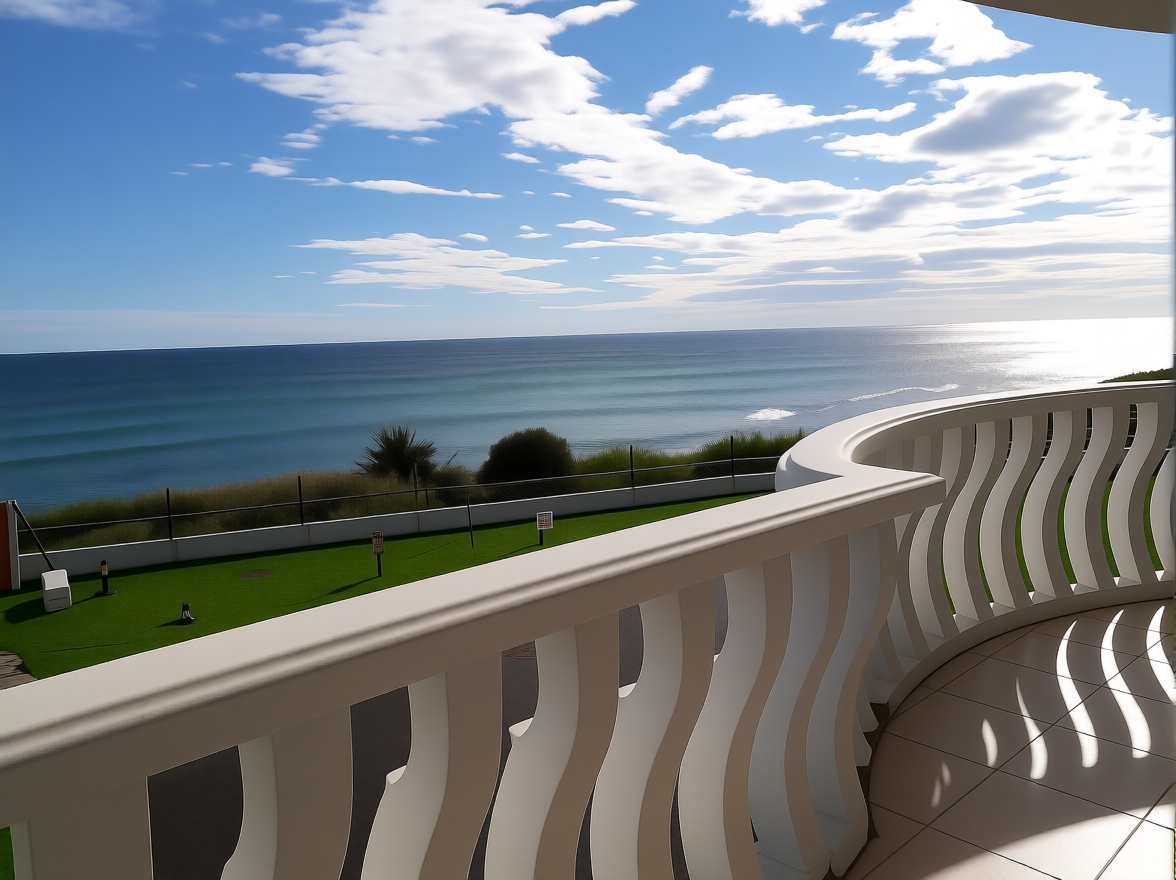
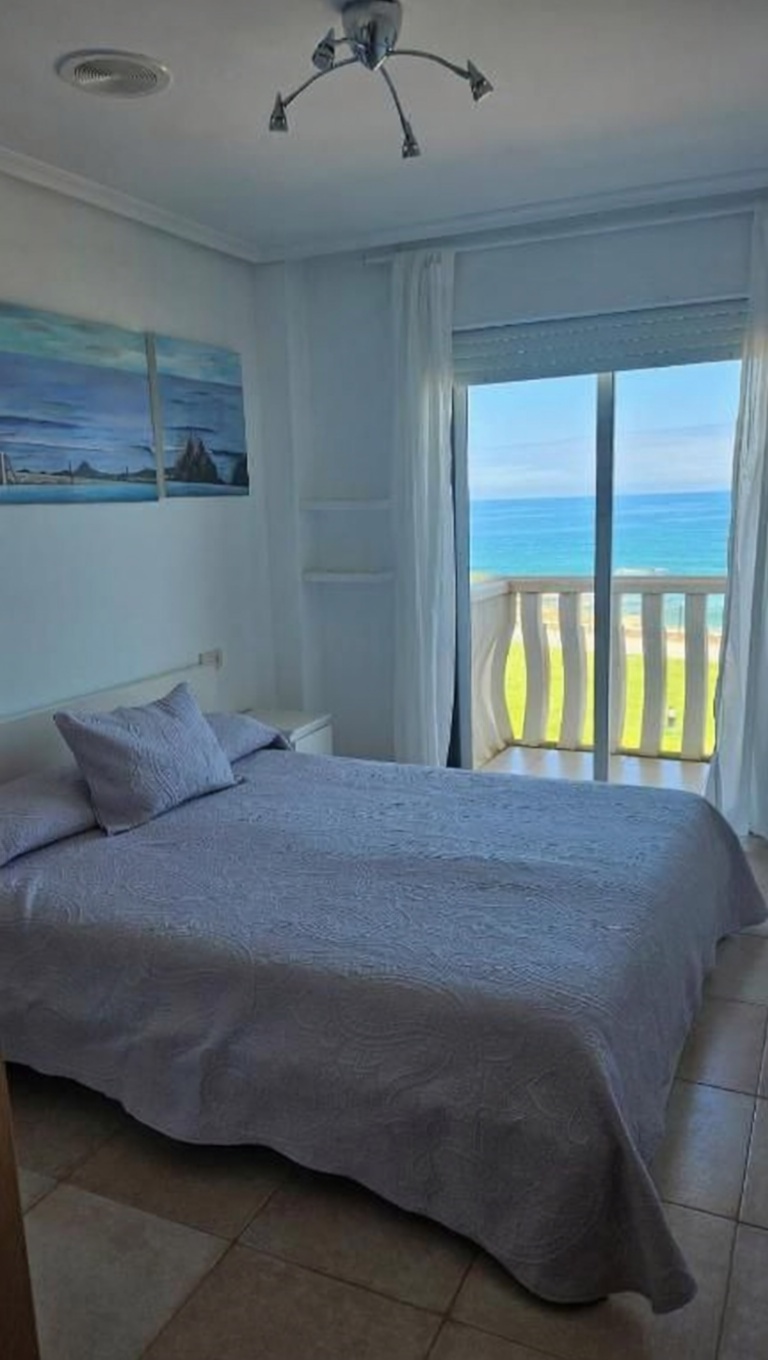
The seafront properties in the Costa da Morte offer a range of options for those looking to enjoy the beauty of the Atlantic coast. From modern apartments with direct beach access to traditional houses with panoramic sea views, there is something for every taste. The urban fabric varies along the coast, with some areas featuring more developed promenades and others offering a more rustic, untouched charm.
Popular stretches of the seafront include the areas around Laxe and Camariñas, where residents can enjoy both the tranquility of the sea and the vibrant life of the local communities. Whether seeking a penthouse with sweeping ocean vistas or a cozy home nestled in a fishing village, the Costa da Morte provides a unique setting for seafront living.
In conclusion, the Costa da Morte stands out as a distinctive destination for those interested in purchasing a seafront home. Its combination of stunning natural landscapes, rich cultural heritage, and diverse property options make it an attractive choice for buyers seeking a unique coastal experience in Galicia.