Guide of Costa de Galicia
Average price per m²
3.809€/m²
Based on 104 active listings in Costa de Galicia
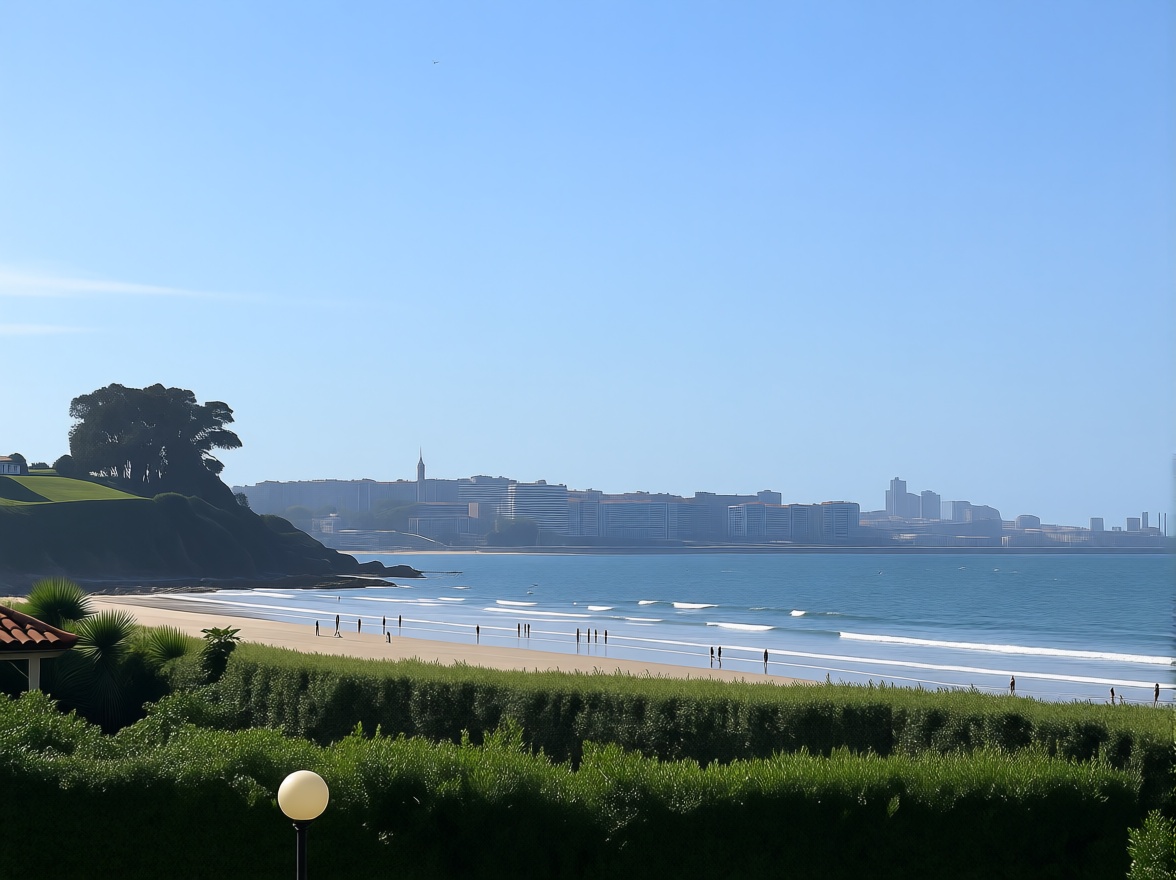
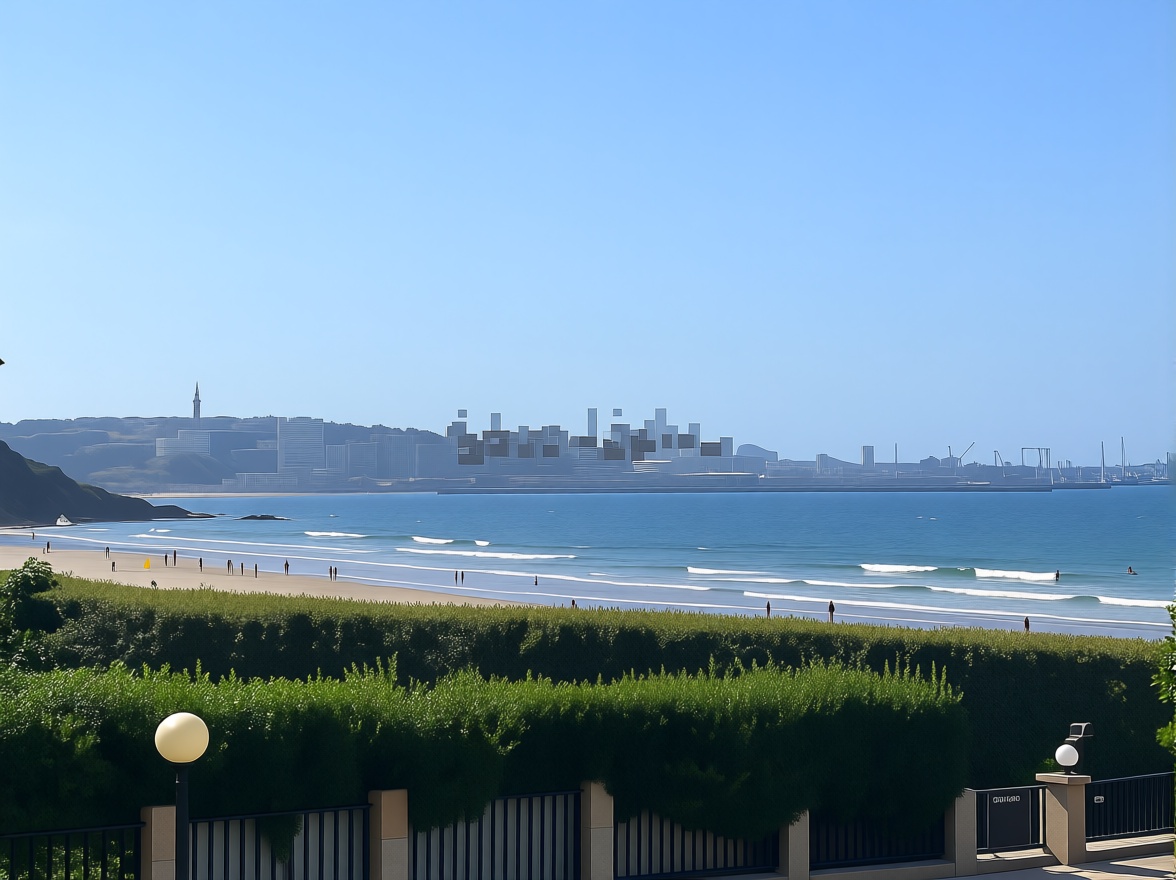
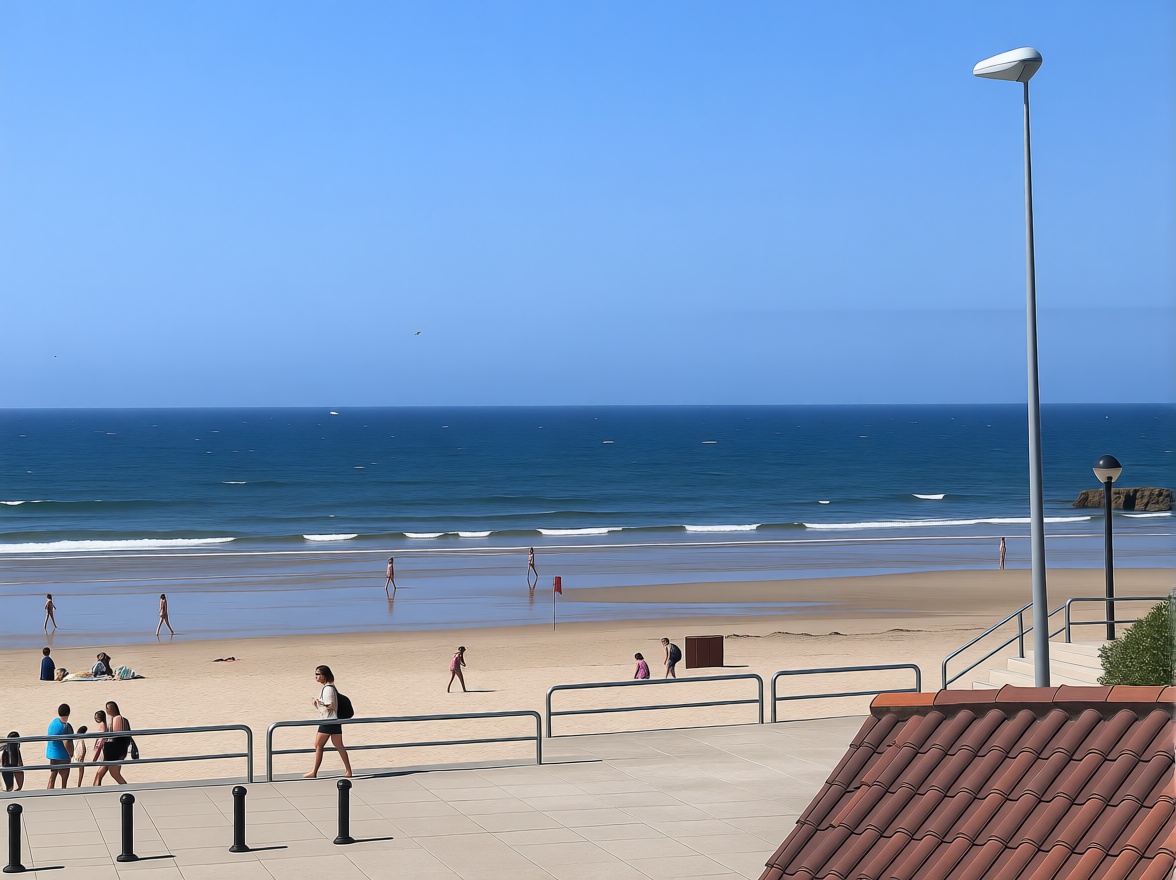
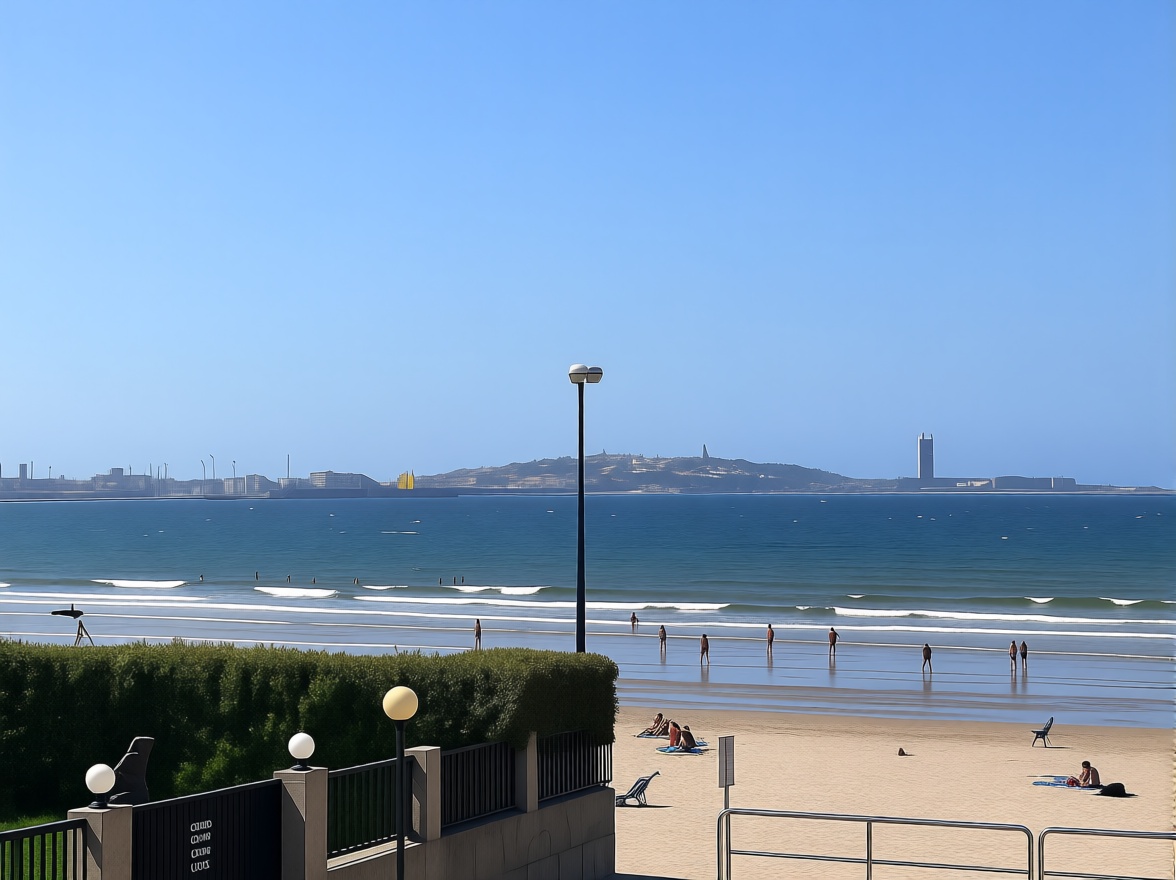
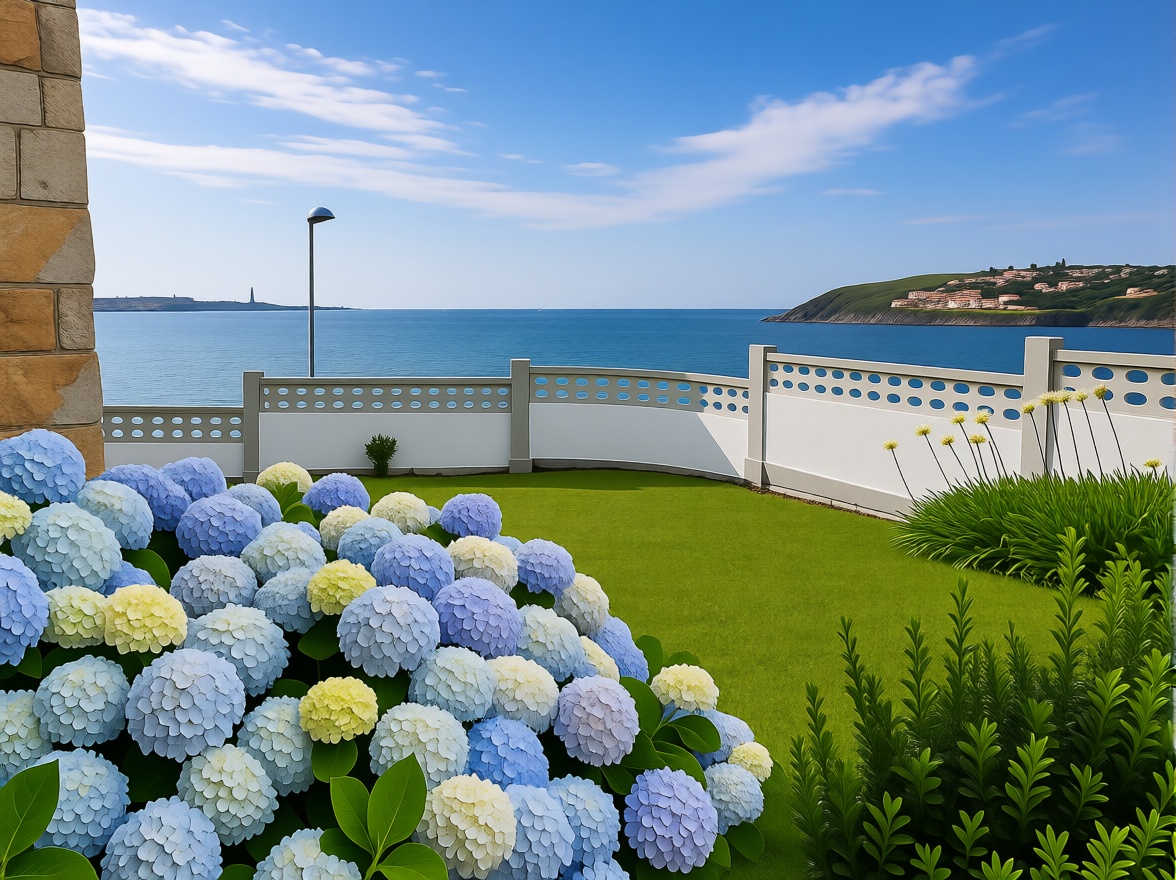
The Costa de Galicia, located in the northwest of Spain, is a region known for its rugged coastline, stunning beaches, and rich cultural heritage. This area is characterized by its diverse landscapes, which include rocky cliffs, sandy shores, and lush green hills. The coastline is dotted with charming fishing villages and vibrant towns, offering a unique blend of natural beauty and cultural richness. The region's maritime traditions are evident in its bustling ports and nautical activities.
The beaches of Costa de Galicia
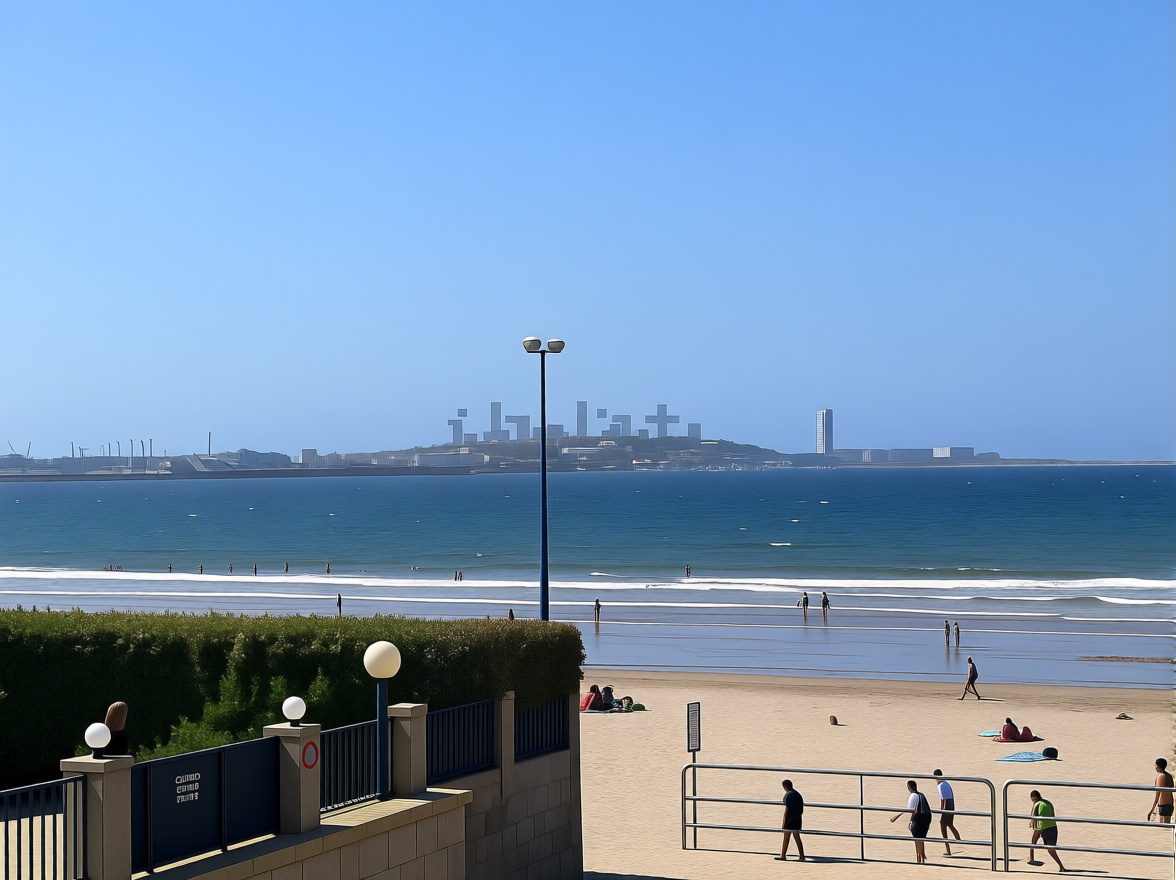
The Costa de Galicia is home to numerous beaches, each offering its own unique charm. Playa de Rodas, located on the Cíes Islands, is renowned for its pristine white sand and crystal-clear waters, making it a popular destination for both locals and tourists. Playa de Carnota, one of the longest beaches in Galicia, stretches over 7 kilometers and is known for its natural beauty and tranquil atmosphere. Playa de Riazor, situated in the city of A Coruña, offers urban amenities and is a favorite spot for beachgoers looking for convenience and leisure.
Other notable beaches include Playa de las Catedrales, famous for its impressive rock formations that resemble cathedral arches, and Playa de Areas, a family-friendly beach with calm waters and excellent facilities. Each beach provides a different experience, from secluded coves to bustling urban shores, catering to a wide range of preferences.
Living in Costa de Galicia: climate and population throughout the year
The Costa de Galicia enjoys a mild oceanic climate, characterized by moderate temperatures and abundant rainfall, particularly in the winter months. Summers are generally warm and pleasant, attracting a significant number of tourists to the region. During the winter, the population consists mainly of local residents, creating a quieter and more relaxed atmosphere compared to the bustling summer months.
Water and nautical activities in Costa de Galicia
The region offers a wide array of water and nautical activities, thanks to its extensive coastline and maritime tradition. Sailing is a popular pastime, with several nautical clubs and marinas providing facilities and services for enthusiasts. The Ría de Vigo and Ría de Arousa are particularly favored for sailing and yachting. Additionally, the region's coastal waters are ideal for surfing, with spots like Pantín Beach hosting international surfing competitions.
Diving and snorkeling are also popular, with the rich marine biodiversity offering a fascinating underwater experience. The Costa de Galicia's waters are home to numerous species of fish and marine life, making it a prime location for underwater exploration.
Cultural tourism: heritage and traditions of Costa de Galicia
Cultural tourism is a significant draw for the Costa de Galicia, with its rich history and vibrant traditions. The region is home to several UNESCO World Heritage Sites, including the Tower of Hercules in A Coruña, the oldest Roman lighthouse still in use. The historic city of Santiago de Compostela, renowned for its stunning cathedral, is a major pilgrimage site and cultural hub.
Festivals play a crucial role in the cultural landscape, with events such as the Festa do Albariño in Cambados celebrating the region's renowned wine. The Rapa das Bestas in Sabucedo is another traditional festival, where locals round up wild horses in a centuries-old ritual. These events offer a glimpse into the unique cultural heritage of Galicia.
Economy and business fabric of Costa de Galicia
The economy of the Costa de Galicia is diverse, with key sectors including fishing, agriculture, and tourism. The region's fishing industry is one of the most important in Spain, with numerous ports and processing facilities supporting this vital sector. Agriculture is also significant, with the production of dairy products, meat, and the famous Galician potatoes.
Tourism is a growing sector, driven by the region's natural beauty and cultural attractions. The hospitality industry, including hotels and restaurants, plays a vital role in the local economy, providing employment and supporting other sectors such as retail and services.
Tourism in Costa de Galicia
Tourism in the Costa de Galicia is characterized by its focus on natural and cultural attractions. The region attracts visitors interested in exploring its stunning landscapes, from the dramatic cliffs of the Costa da Morte to the serene beaches of the Rías Baixas. Cultural tourism is also prominent, with many visitors drawn to the historic sites and vibrant festivals.
The region's tourism infrastructure is well-developed, with a range of accommodation options and services catering to different visitor profiles. The focus on sustainable tourism practices ensures that the natural and cultural heritage of the area is preserved for future generations.
Gastronomy and local products
Galician gastronomy is renowned for its emphasis on fresh, local ingredients and traditional recipes. Seafood is a staple, with dishes such as pulpo a la gallega (Galician-style octopus) and percebes (goose barnacles) showcasing the region's maritime bounty. Albariño wine, produced in the Rías Baixas, is a celebrated local product, known for its crisp and refreshing taste.
The region also boasts a variety of cheeses, such as tetilla and San Simón, as well as the famous Tarta de Santiago, an almond cake named after the patron saint of Galicia. These culinary delights reflect the rich agricultural and maritime heritage of the Costa de Galicia.
Transport and services
The Costa de Galicia is well-connected by a network of roads and public transport options. The AP-9 motorway runs along the coast, linking major cities such as A Coruña, Santiago de Compostela, and Vigo. Rail services provide connections to other parts of Spain, with stations in key cities offering regular services.
Air travel is facilitated by airports in A Coruña, Santiago de Compostela, and Vigo, providing domestic and international flights. The region offers a range of services, including healthcare facilities and educational institutions, ensuring a high quality of life for residents and visitors alike.
The seafront in Costa de Galicia
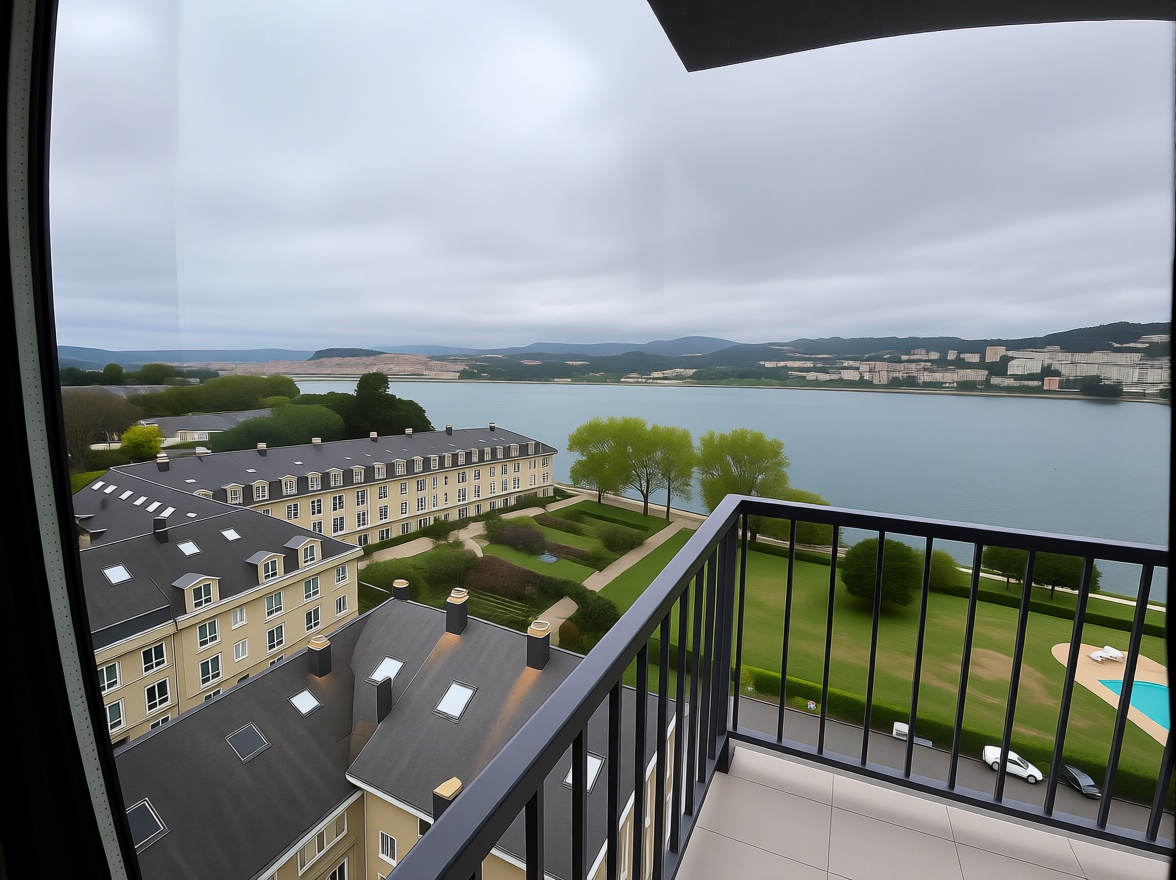
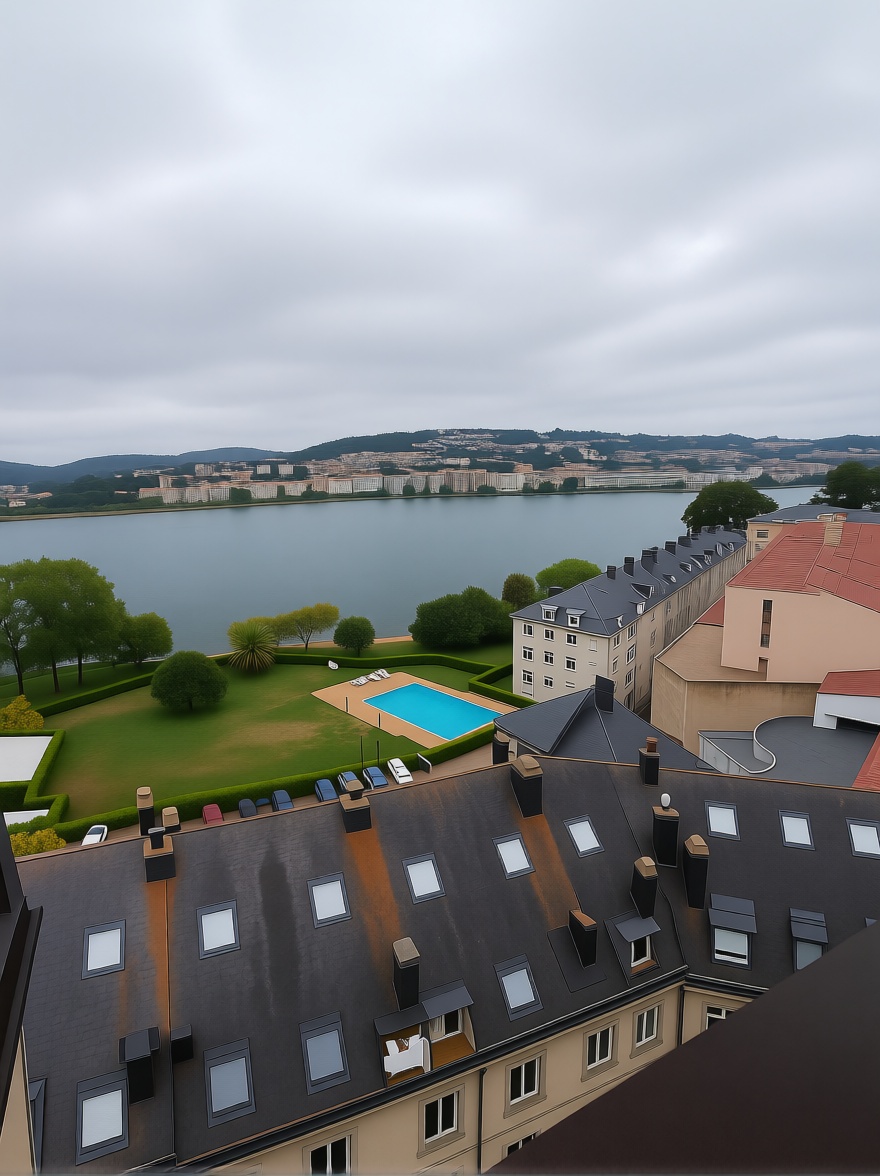
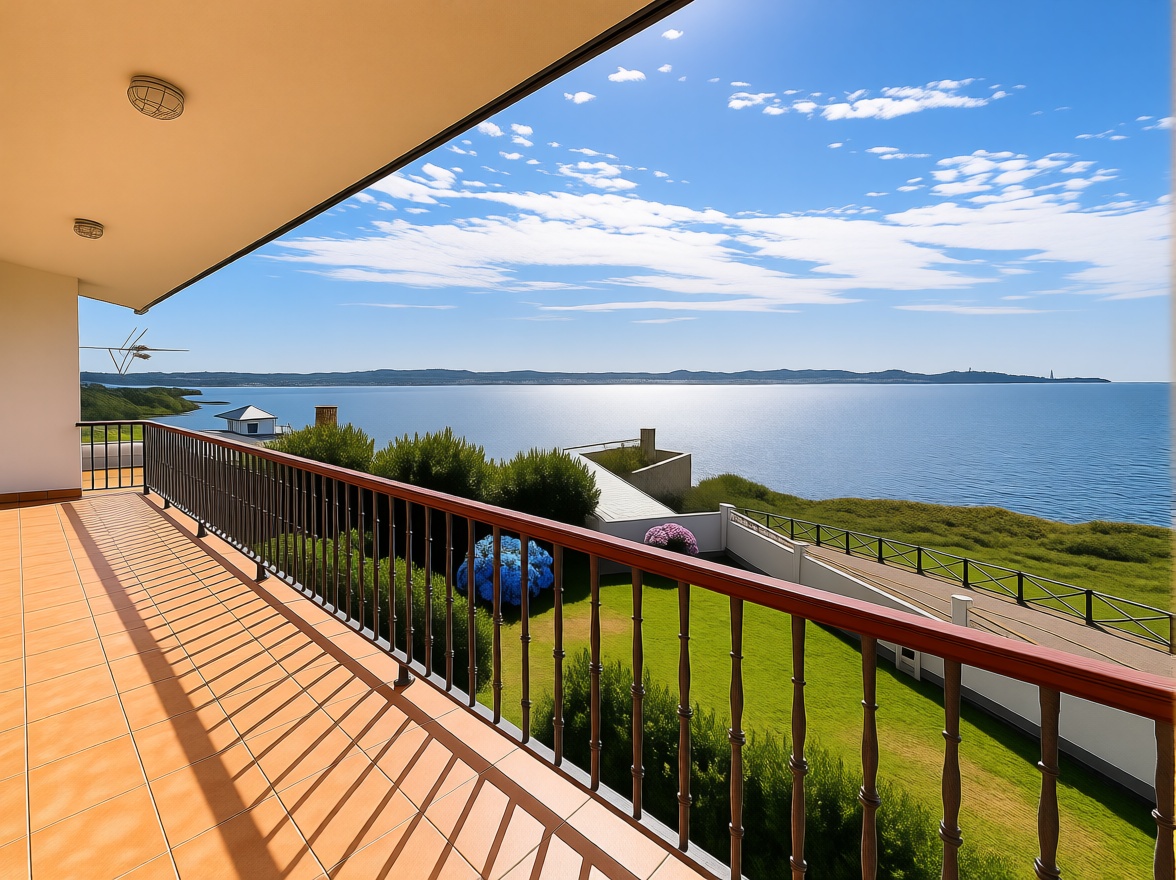
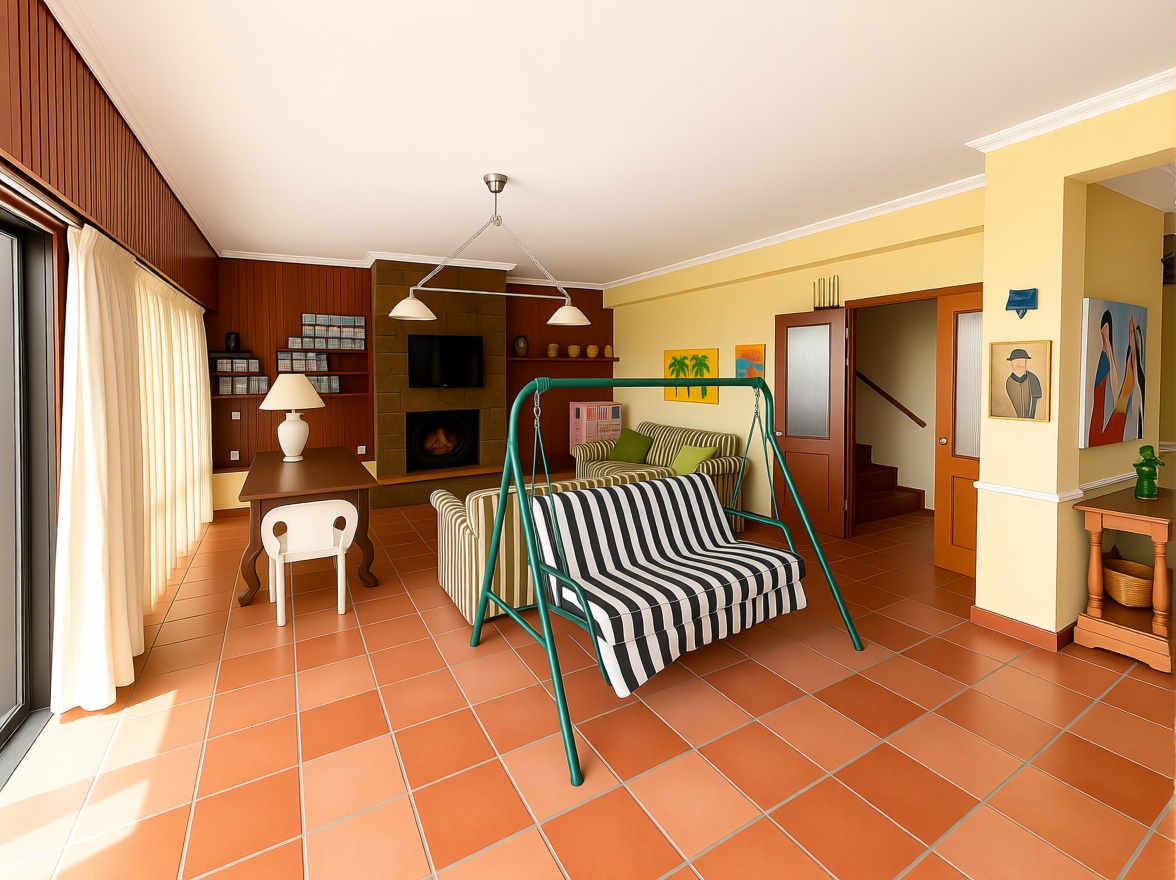
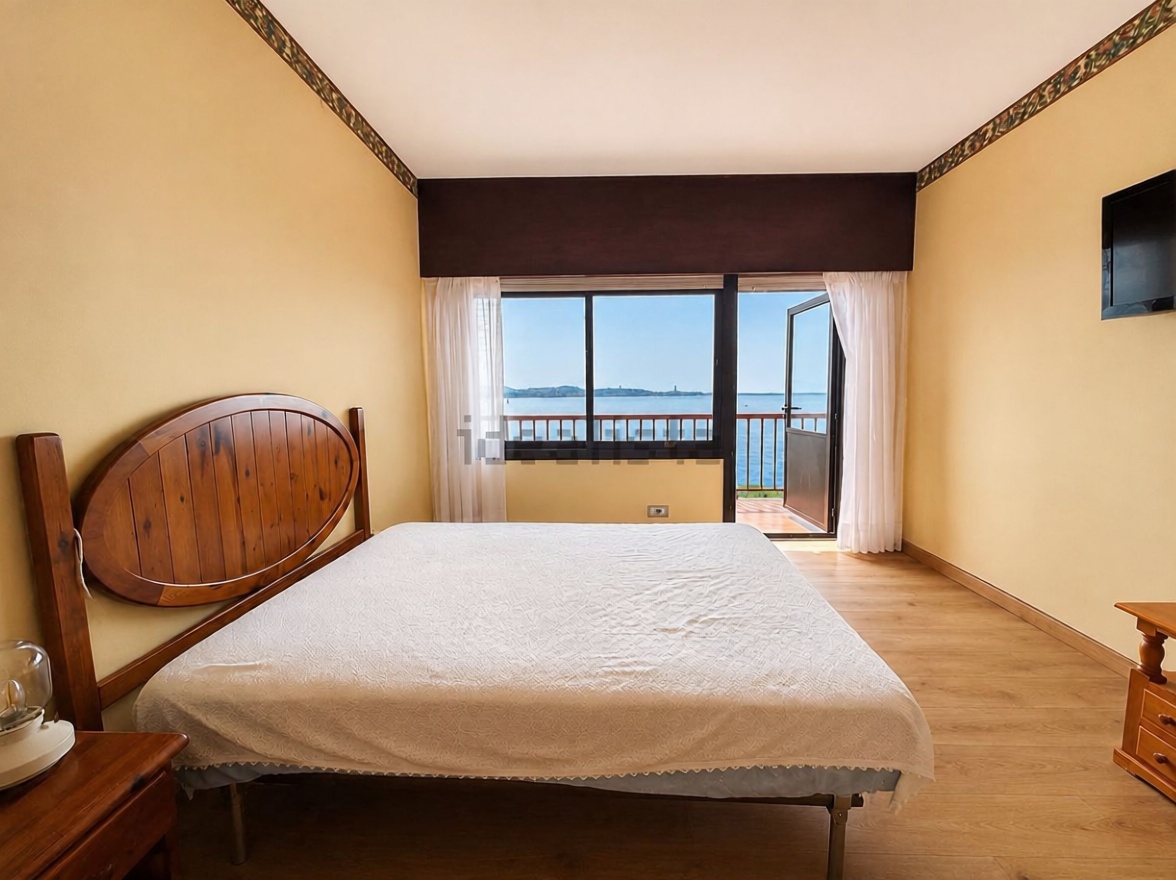
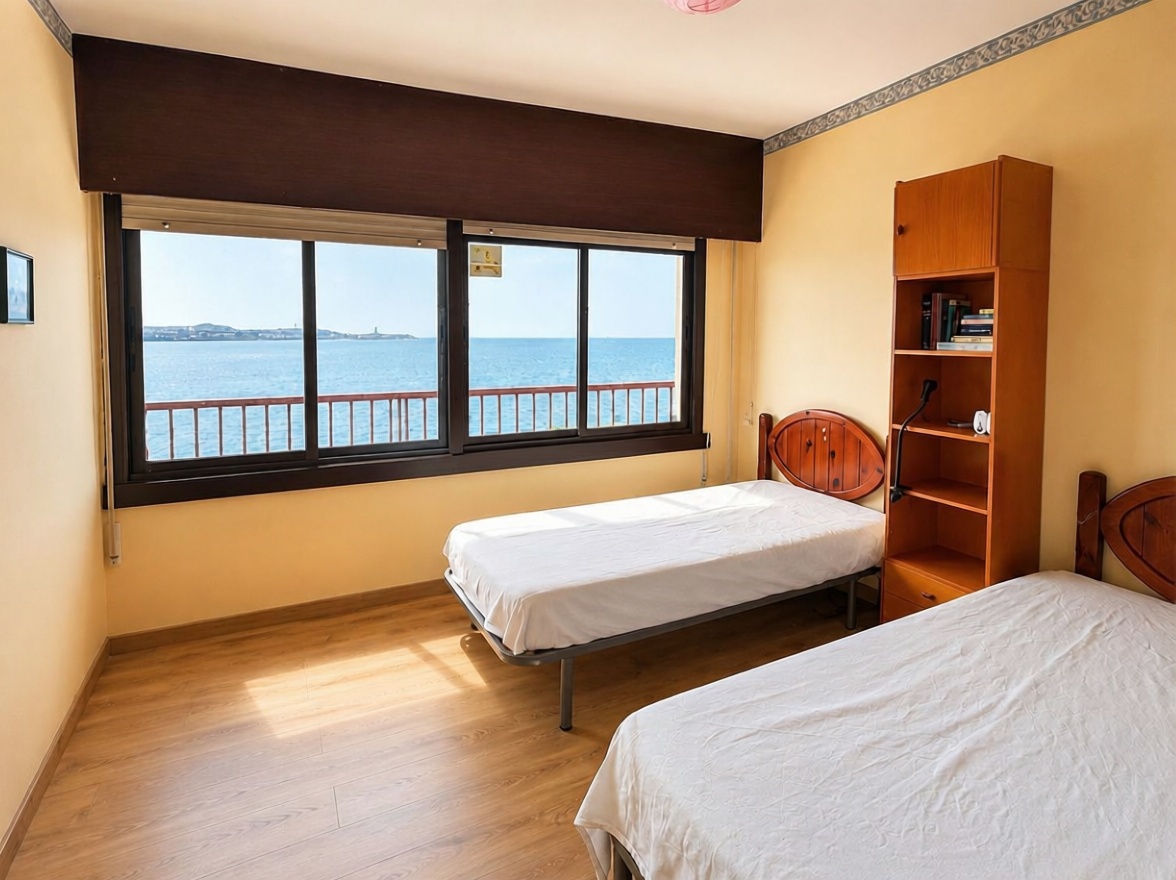
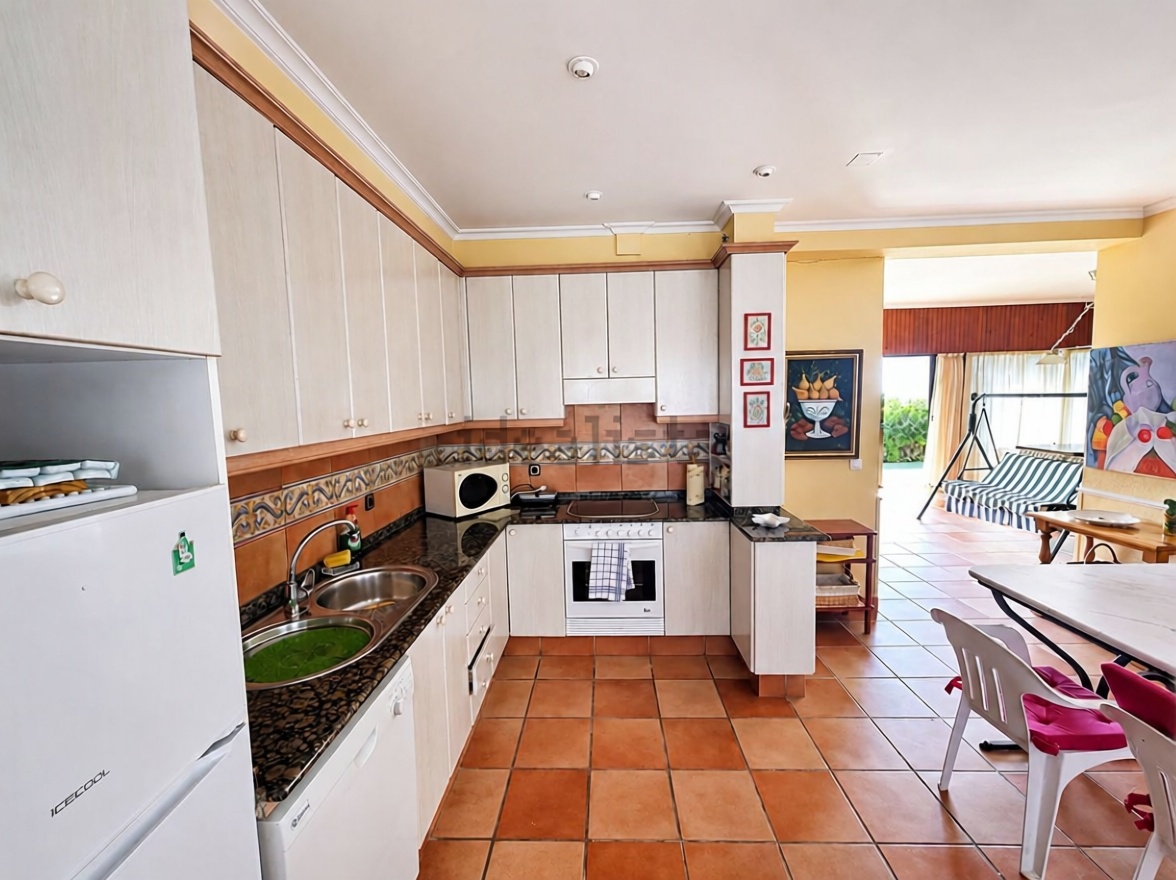
The seafront of the Costa de Galicia offers a variety of housing typologies, from modern apartments to traditional Galician houses. In urban areas, such as A Coruña and Vigo, seafront apartments provide stunning views and easy access to amenities. In contrast, smaller towns and villages offer more traditional housing options, often with direct access to the beach.
The urban fabric varies along the coast, with bustling promenades in larger cities and more tranquil settings in rural areas. This diversity allows for a range of living experiences, catering to different preferences and lifestyles.
In conclusion, the Costa de Galicia offers a unique blend of natural beauty, cultural richness, and modern amenities, making it an attractive destination for those seeking a seafront home. With its diverse landscapes, vibrant traditions, and welcoming communities, it provides an ideal setting for both relaxation and exploration.