Guide of Islas Canarias
Average price per m²
5.746€/m²
Based on 289 active listings in Islas Canarias
The Canary Islands, an autonomous community of Spain, are a unique archipelago located in the Atlantic Ocean, off the northwestern coast of Africa. Known for their diverse landscapes, the islands offer a mix of volcanic terrains, lush forests, and pristine beaches. The islands are divided into two provinces: Las Palmas and Santa Cruz de Tenerife, each with its own distinctive character and attractions. The Canary Islands are a popular destination for those seeking seafront homes, thanks to their mild climate and stunning coastal views.
The beaches of the Canary Islands
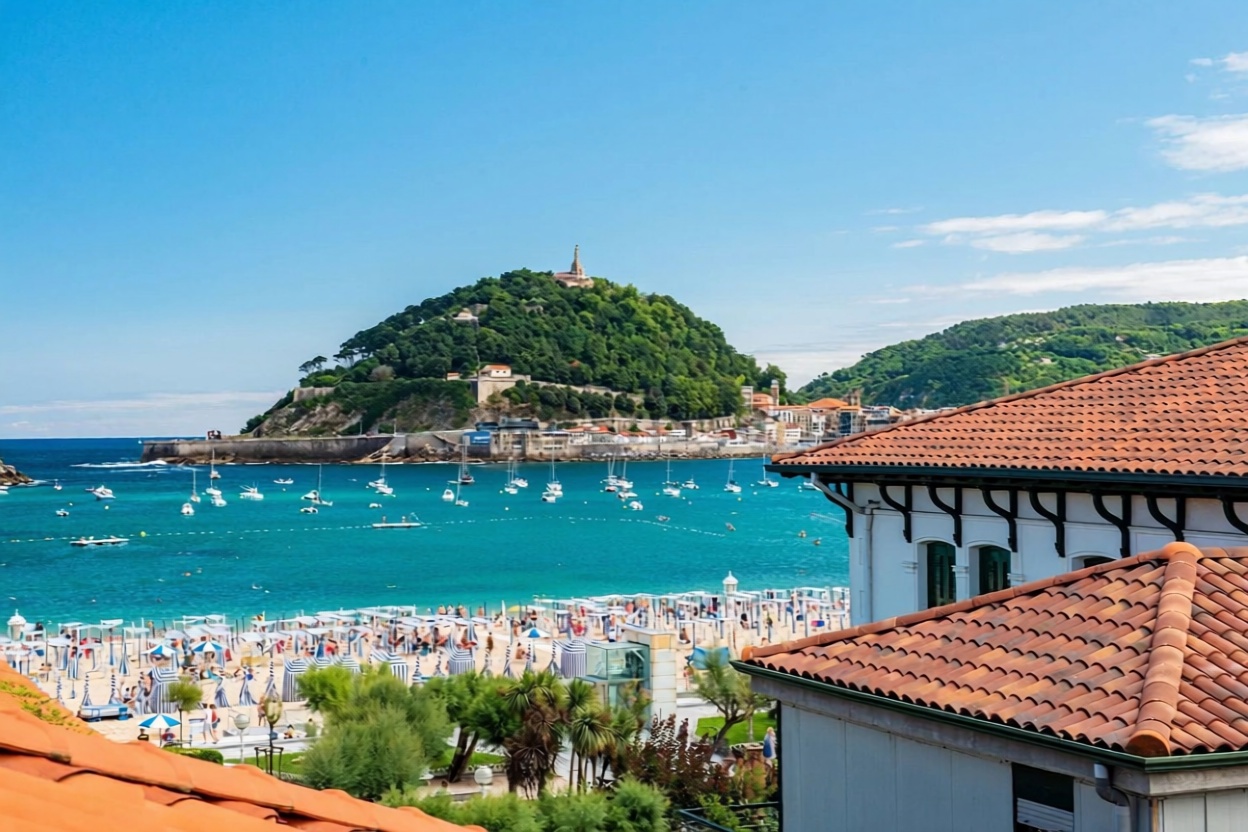
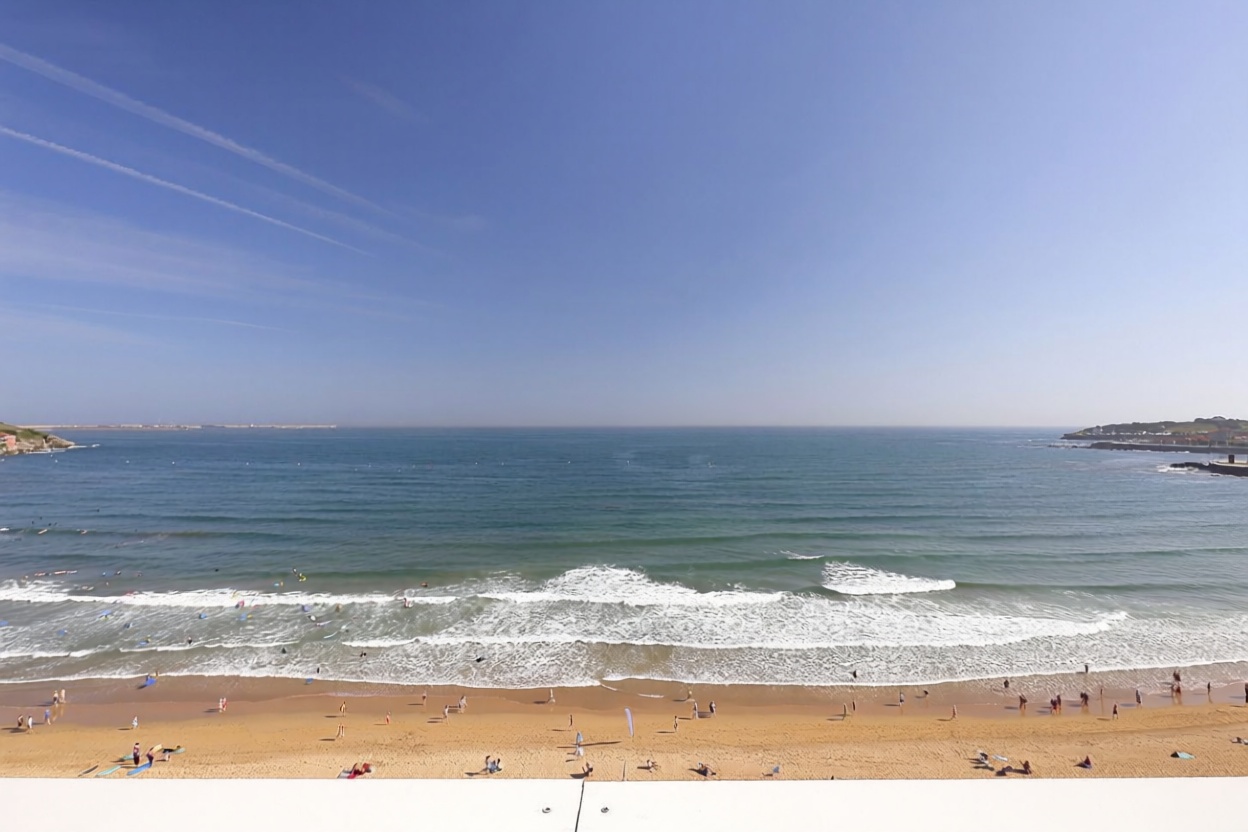
The Canary Islands boast an array of beaches, each with its own charm and appeal. Playa de Las Canteras in Gran Canaria is renowned for its golden sands and vibrant promenade, offering a lively atmosphere with numerous cafes and shops. Playa del Inglés, also in Gran Canaria, is famous for its extensive sandy stretch and dynamic nightlife. In Tenerife, Playa de las Teresitas stands out with its imported Saharan sand and calm waters, making it ideal for families.
Fuerteventura is home to Playa de Sotavento, a haven for windsurfing enthusiasts due to its strong winds and expansive shoreline. Meanwhile, Lanzarote's Playa de Papagayo is celebrated for its secluded coves and crystal-clear waters, perfect for snorkeling. Each of these beaches provides a unique experience, catering to various preferences, from tranquil retreats to active water sports.
Living in the Canary Islands: climate and year-round population
The Canary Islands enjoy a subtropical climate, characterized by mild temperatures throughout the year. Summers are warm and dry, while winters are pleasantly mild, making it an attractive location for year-round living. The islands experience a significant influx of tourists during the summer months, which contrasts with the quieter, more relaxed atmosphere in winter, when local life takes center stage.
Water and nautical activities in the Canary Islands
The Canary Islands are a paradise for water sports enthusiasts. The archipelago offers excellent conditions for surfing, particularly in Lanzarote and Fuerteventura, where consistent waves attract surfers from around the world. Sailing is also popular, with numerous marinas and yacht clubs available, such as the Real Club Náutico de Tenerife. Additionally, the islands provide opportunities for diving, with rich marine biodiversity and underwater volcanic formations to explore.
Cultural tourism: heritage and traditions of the Canary Islands
The Canary Islands are steeped in cultural heritage, with numerous historical sites and festivals. The city of La Laguna in Tenerife, a UNESCO World Heritage Site, is known for its well-preserved colonial architecture. The annual Carnival of Santa Cruz de Tenerife is one of the largest and most vibrant in the world, attracting visitors with its colorful parades and lively music.
In Gran Canaria, the Cueva Pintada Museum and Archaeological Park offers insights into the pre-Hispanic culture of the islands, showcasing ancient cave paintings. Each island has its own unique traditions and celebrations, reflecting a rich cultural tapestry that adds depth to the visitor experience.
Economy and business fabric of the Canary Islands
The economy of the Canary Islands is diverse, with tourism playing a significant role. The islands also have a strong agricultural sector, producing bananas, tomatoes, and potatoes, among other crops. The free trade zone status of the islands has attracted various businesses, particularly in logistics and distribution, due to their strategic location between Europe, Africa, and the Americas.
Tourism in the Canary Islands
Tourism is a cornerstone of the Canary Islands' economy, with millions of visitors drawn to the archipelago each year. The islands offer a wide range of attractions, from natural parks like Timanfaya in Lanzarote to the Teide National Park in Tenerife, home to Spain's highest peak. The diverse landscapes and mild climate make the Canary Islands a year-round destination for tourists seeking both relaxation and adventure.
Gastronomy and local products
The gastronomy of the Canary Islands is a reflection of its cultural diversity, featuring a blend of Spanish, African, and Latin American influences. Local specialties include papas arrugadas (wrinkled potatoes) served with mojo sauce, and gofio, a type of flour made from roasted grains. The islands are also known for their wines, particularly those from Lanzarote, which are produced in unique volcanic soil conditions.
Transport and services
The Canary Islands are well-connected by air and sea, with several international airports, including Tenerife South and Gran Canaria, facilitating travel to and from the mainland. Inter-island travel is supported by a network of ferries and domestic flights. Public transport within the islands is efficient, with buses and taxis readily available. Essential services, such as healthcare and education, are accessible, with modern facilities throughout the islands.
The seafront in the Canary Islands
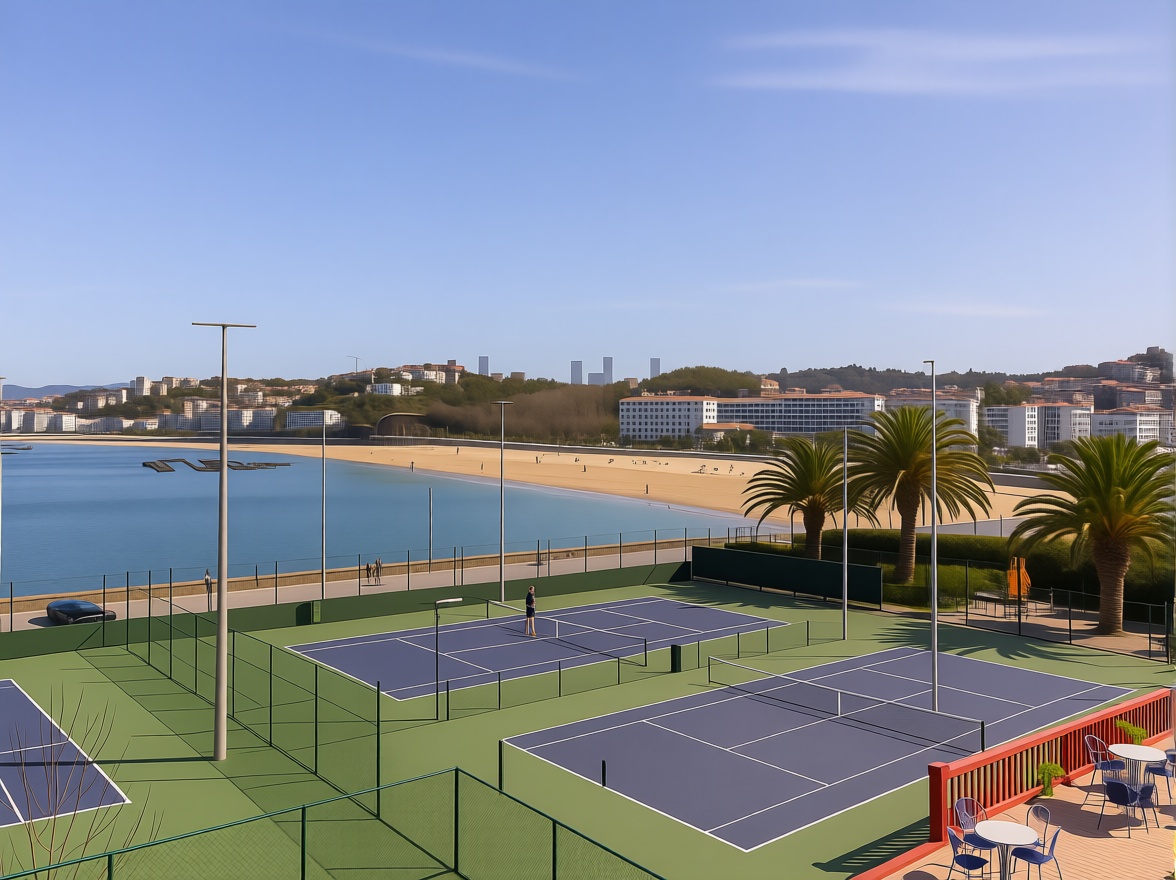
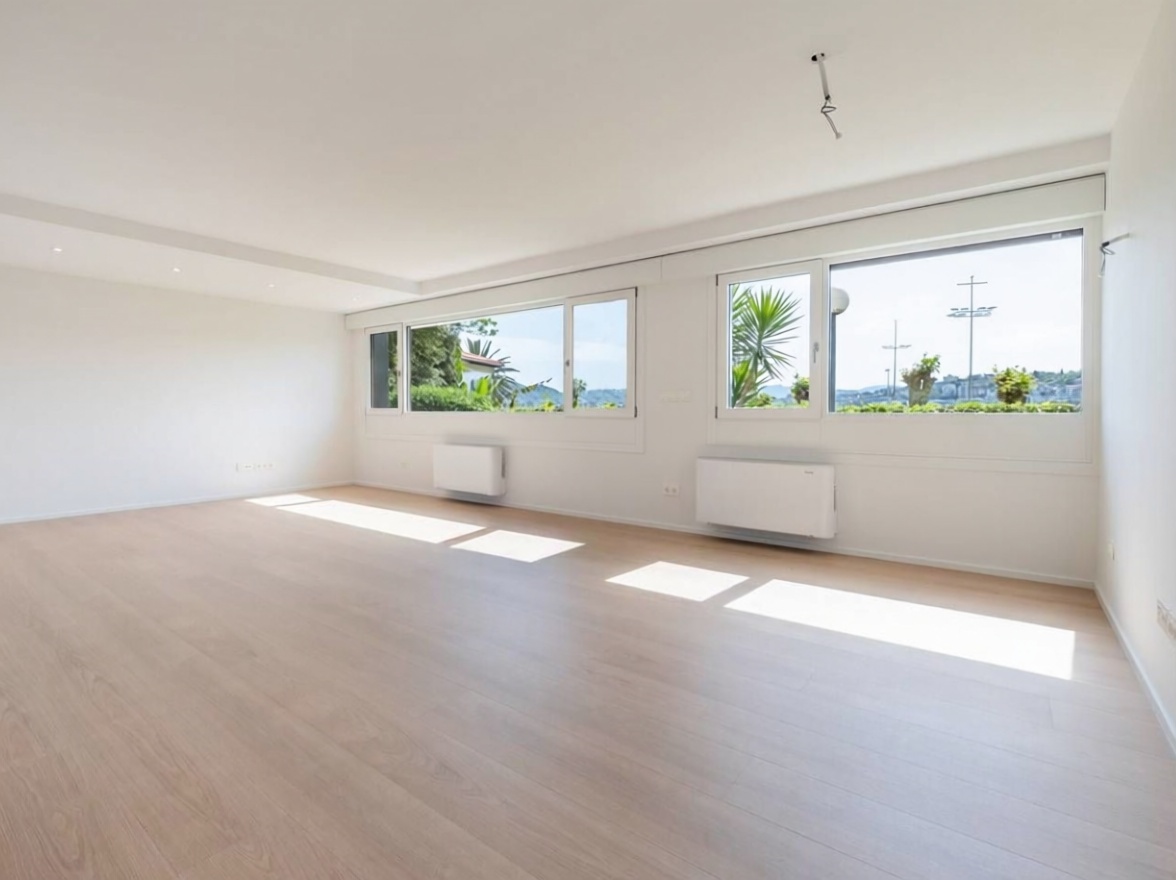
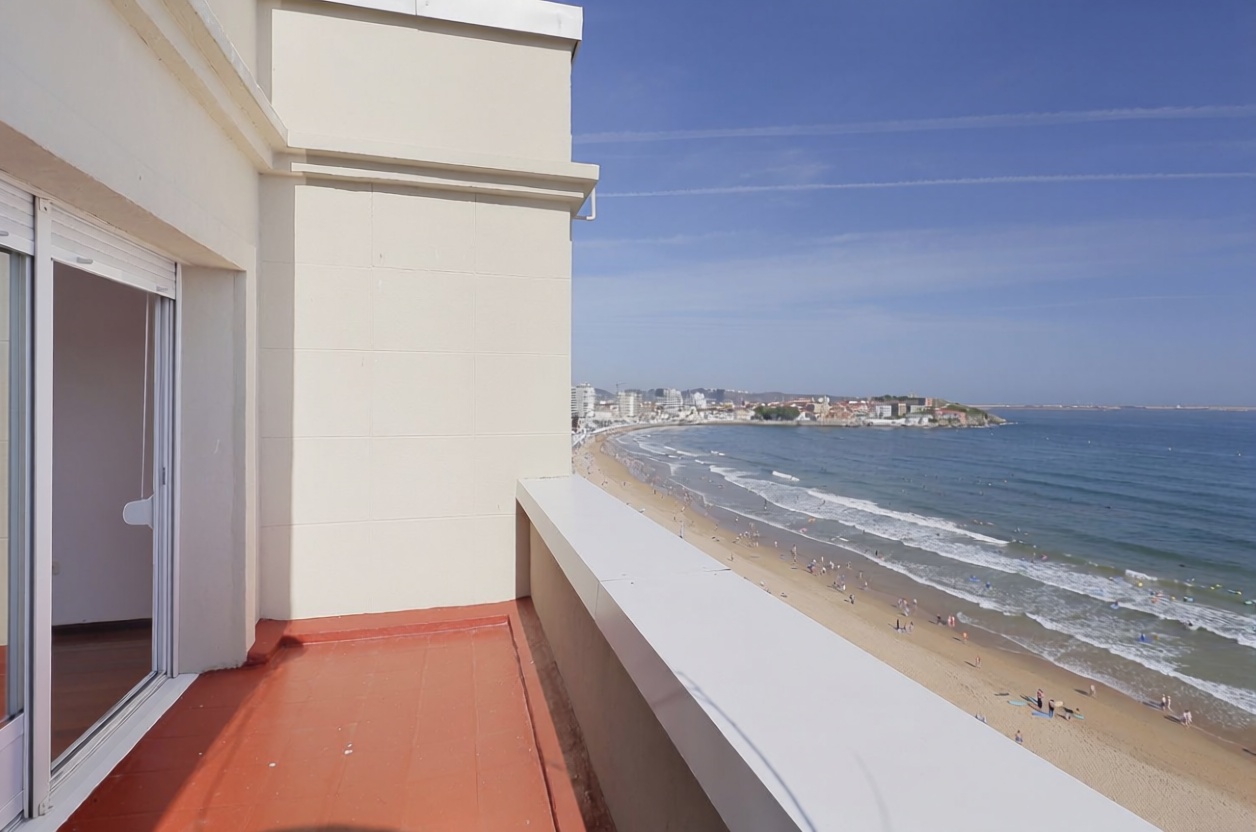
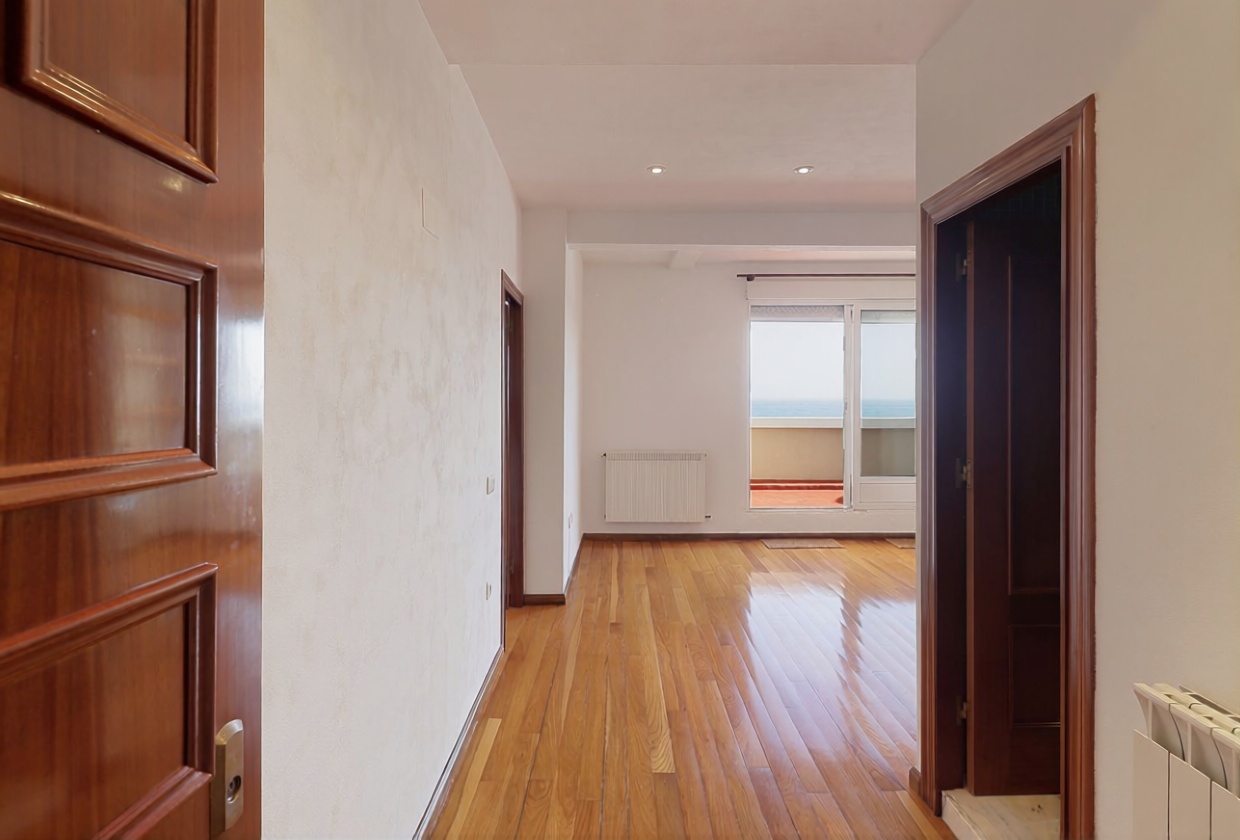
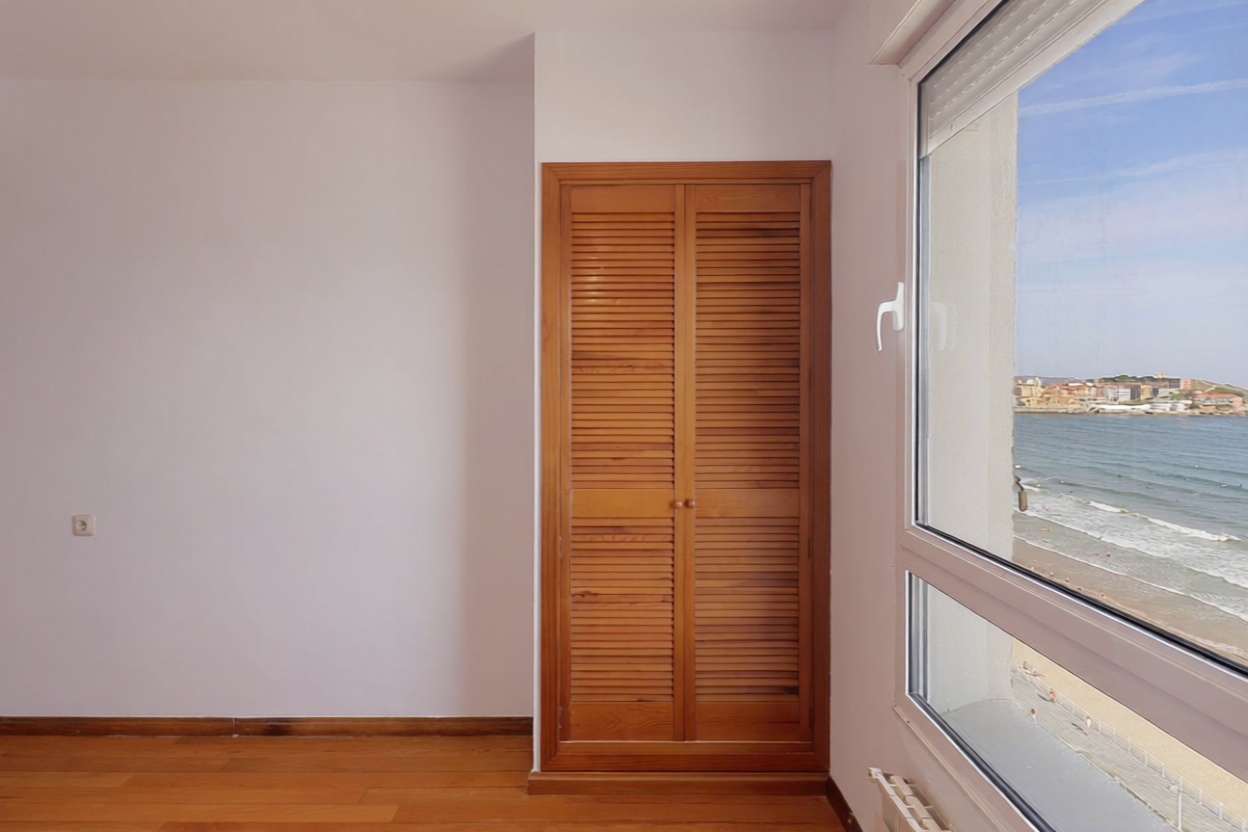
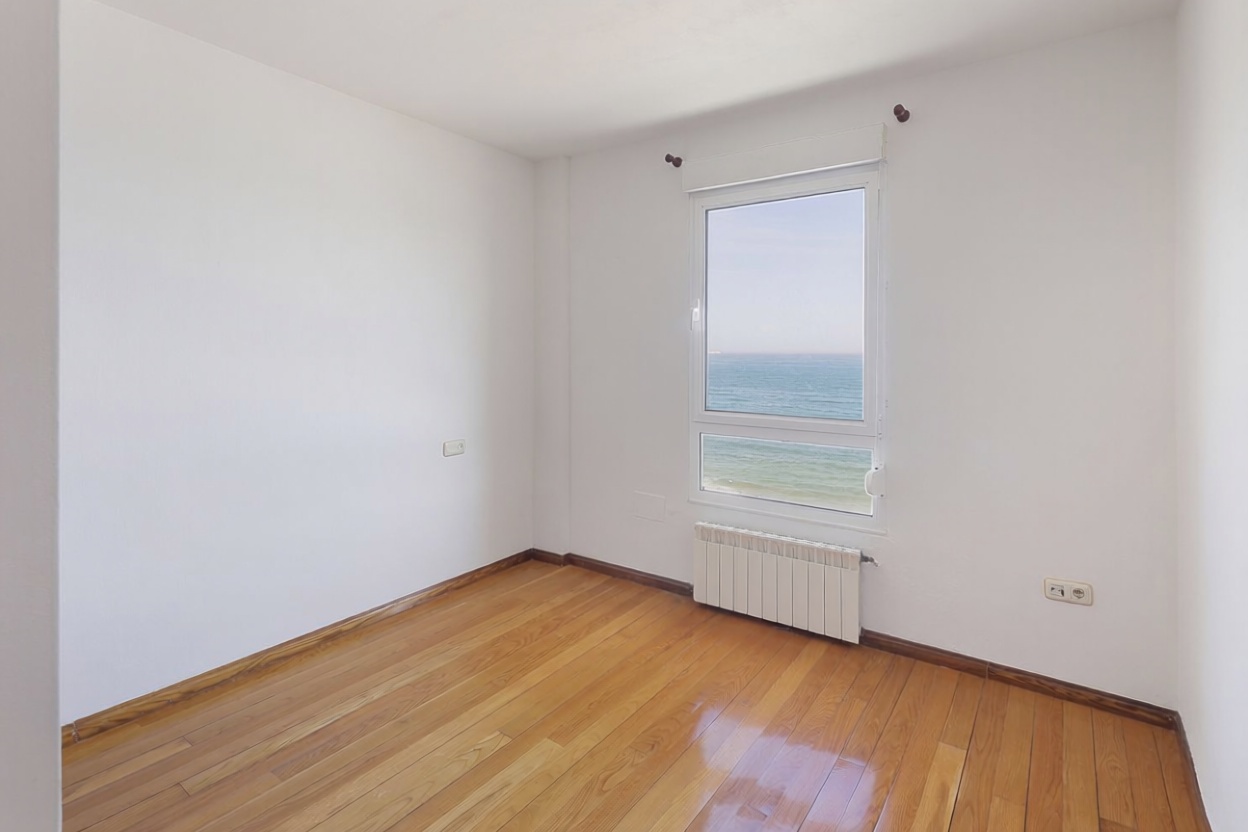
The seafront properties in the Canary Islands vary from luxurious penthouses to charming ground-floor apartments, offering stunning views of the Atlantic Ocean. Areas like Costa Adeje in Tenerife and Playa Blanca in Lanzarote are popular for their modern developments with direct beach access. The urban fabric along the coast is diverse, with promenades lined with shops and restaurants, contrasting with quieter residential stretches offering a more tranquil living experience.
In conclusion, the Canary Islands present a compelling opportunity for those seeking a home on the seafront. With their diverse landscapes, rich cultural heritage, and vibrant communities, the islands offer a unique blend of relaxation and adventure, making them an attractive destination for potential homeowners.