Guide of Mallorca, Balears (Illes)
Average price per m²
9.172€/m²
Based on 30 active listings in Mallorca, Balears (Illes)
Mallorca, the largest of the Balearic Islands, is a renowned destination in the Mediterranean, known for its diverse landscapes, rich cultural heritage, and vibrant coastal life. The island's coastline is dotted with sandy beaches, rocky coves, and bustling ports, making it an attractive location for those seeking a seafront home. The capital, Palma, is a hub of activity, offering a mix of historical sites, modern amenities, and a thriving nautical scene.
The beaches of Mallorca
Mallorca boasts a wide variety of beaches, each with its own distinct charm. Playa de Palma, located near the capital, is a long stretch of fine sand with a bustling promenade lined with shops and restaurants. Cala Millor, on the east coast, offers a family-friendly environment with clear waters and ample facilities. For those seeking a more secluded experience, Cala Varques provides a picturesque setting surrounded by pine forests and rocky cliffs.
Es Trenc, often referred to as Mallorca's Caribbean beach, is famous for its white sand and turquoise waters. It remains relatively undeveloped, offering a more natural beach experience. On the northern coast, Playa de Muro is known for its shallow waters and is ideal for families with young children. Each of these beaches is accessible and provides a unique experience for residents and visitors alike.
Living in Mallorca: climate and year-round population
Mallorca enjoys a typical Mediterranean climate, with hot, dry summers and mild, wet winters. The island's weather makes it an attractive year-round destination, with plenty of sunshine even during the cooler months. While summer sees an influx of tourists, the winter months offer a quieter atmosphere, allowing residents to enjoy the island's natural beauty and local culture at a more relaxed pace.
Water and nautical activities in Mallorca
Mallorca is a paradise for water sports enthusiasts, offering a wide range of activities such as sailing, windsurfing, and scuba diving. The island's numerous marinas, including the prestigious Puerto Portals and Port Adriano, provide excellent facilities for yachting and boating. Several diving schools offer courses for beginners and advanced divers, exploring the rich marine life and underwater caves around the island.
Cultural tourism: heritage and traditions of Mallorca
Mallorca's cultural heritage is as diverse as its landscape. The island is home to several historic sites, including the impressive Palma Cathedral, known for its Gothic architecture and stunning stained glass windows. The ancient town of Alcúdia, with its well-preserved medieval walls, offers a glimpse into the island's past. Festivals such as the Sant Joan celebrations in June showcase Mallorca's rich traditions and vibrant community spirit.
Economy and business fabric of Mallorca
Tourism is the backbone of Mallorca's economy, with millions of visitors flocking to the island each year. However, the island also has a thriving agricultural sector, producing almonds, olives, and wine. Local markets, such as the Mercat de l'Olivar in Palma, highlight the island's agricultural produce. Additionally, the service sector, including hospitality and retail, plays a significant role in the local economy.
Tourism in Mallorca
Mallorca attracts a diverse range of tourists, from families and beachgoers to cultural enthusiasts and adventure seekers. The island's varied landscapes and rich cultural offerings cater to all types of visitors. The Blue Flag certification of many beaches highlights the island's commitment to environmental quality. Mallorca's vibrant nightlife, particularly in areas like Magaluf, draws younger crowds looking for entertainment and socializing.
Gastronomy and local products
Mallorca's cuisine is a reflection of its diverse cultural influences and rich agricultural heritage. Local specialties include sobrasada, an intensely flavored cured sausage, and ensaimada, a sweet pastry often enjoyed with coffee. The island's wines, particularly those from the Binissalem and Pla i Llevant regions, have gained recognition for their quality. Fresh seafood, such as red prawns and sea bass, is a staple in many restaurants, showcasing the island's maritime bounty.
Transport and services
Mallorca is well-connected by air and sea, with Palma de Mallorca Airport serving as the main gateway to the island. Regular ferry services link Mallorca to the mainland and neighboring islands. The island's road network is extensive, with major roads such as the Ma-1 and Ma-13 providing easy access to various parts of the island. Public transport, including buses and trains, offers convenient options for getting around, while healthcare and educational facilities are readily available in urban areas.
The seafront in Mallorca
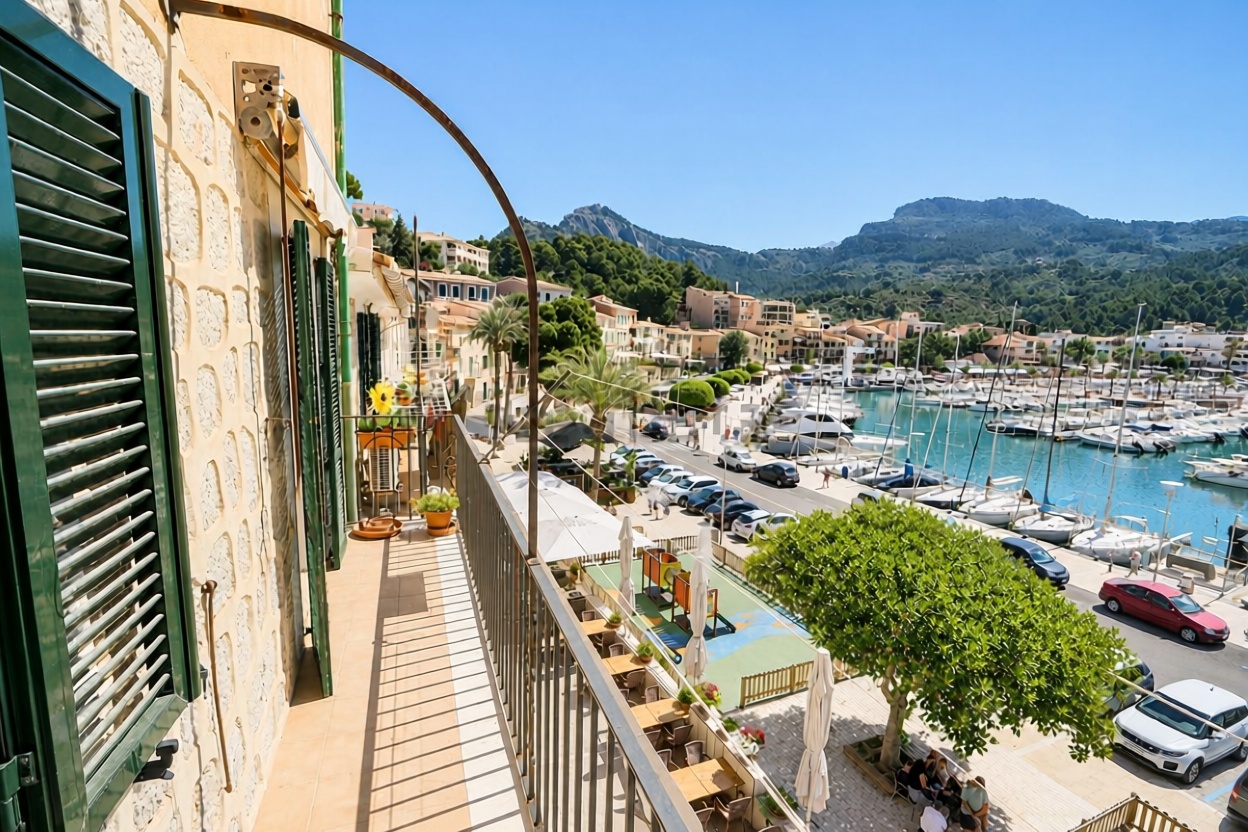
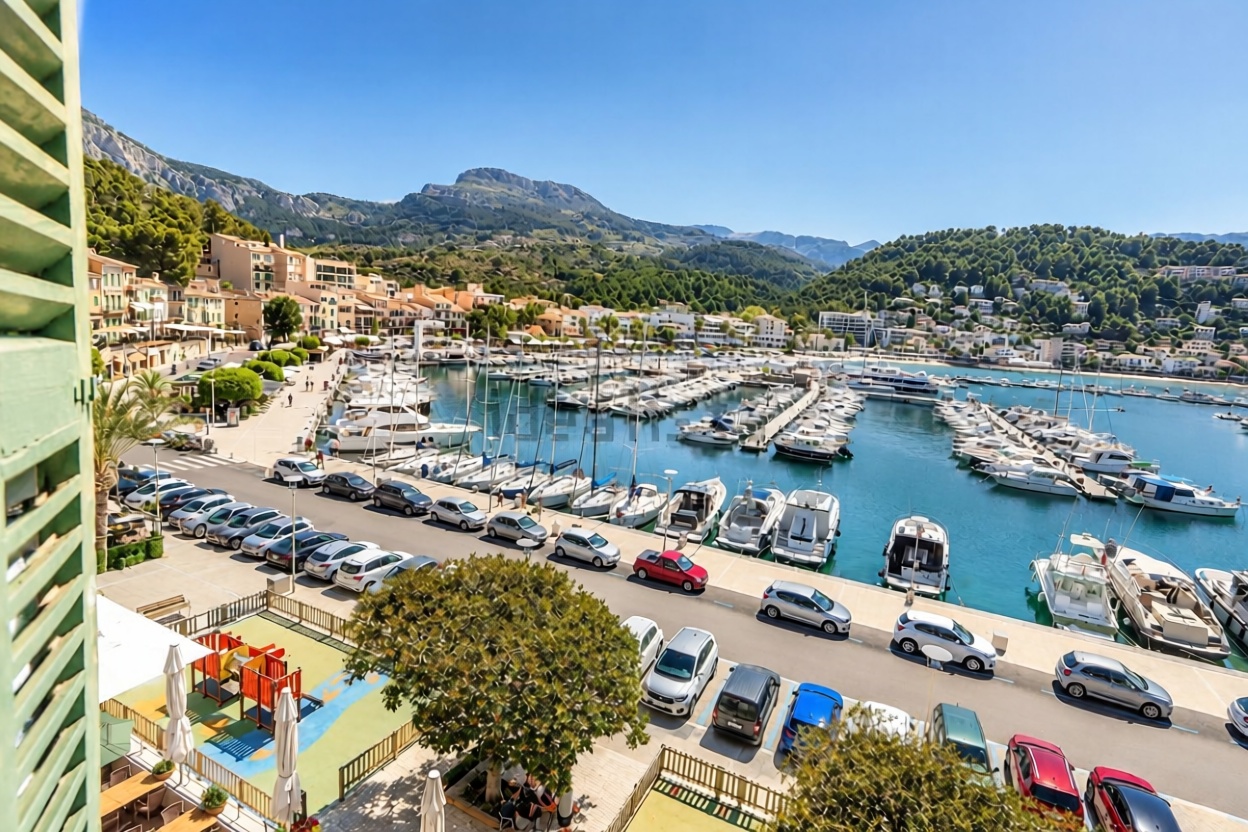
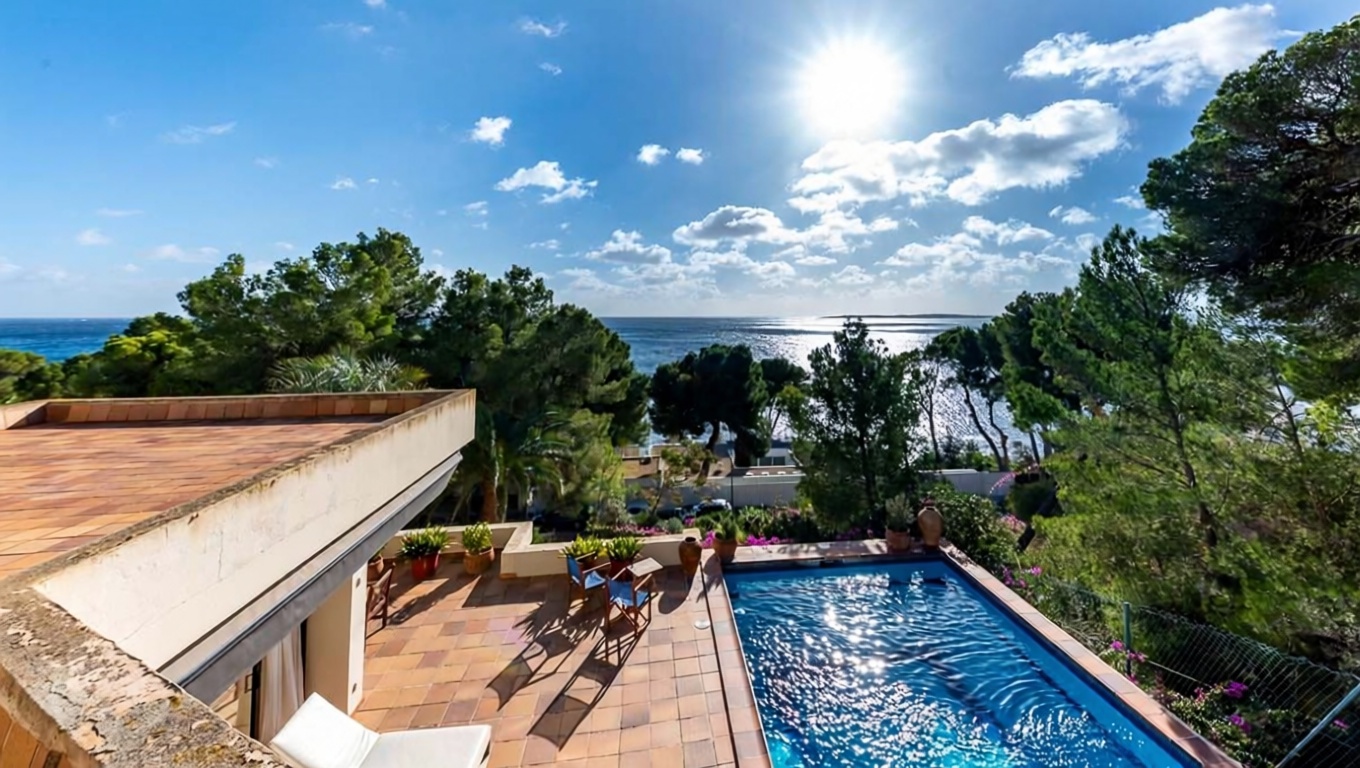
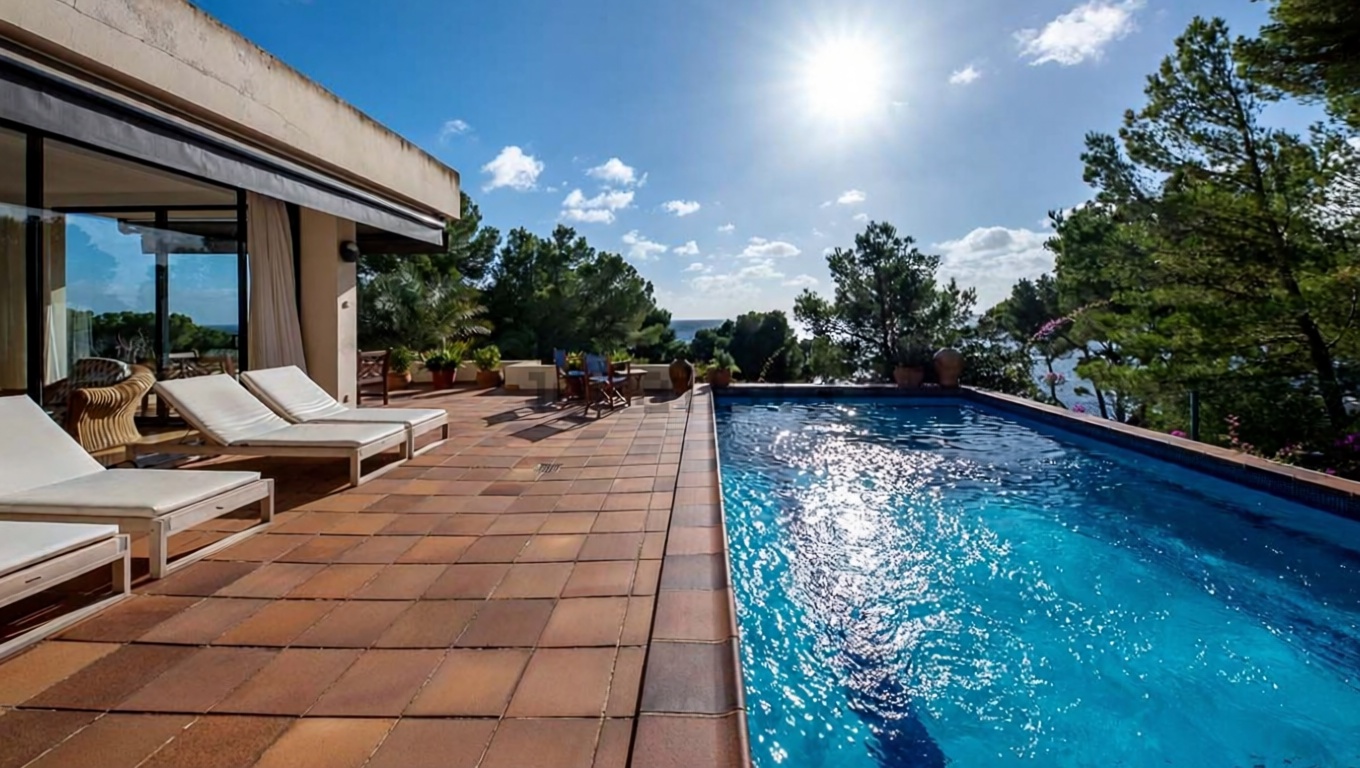
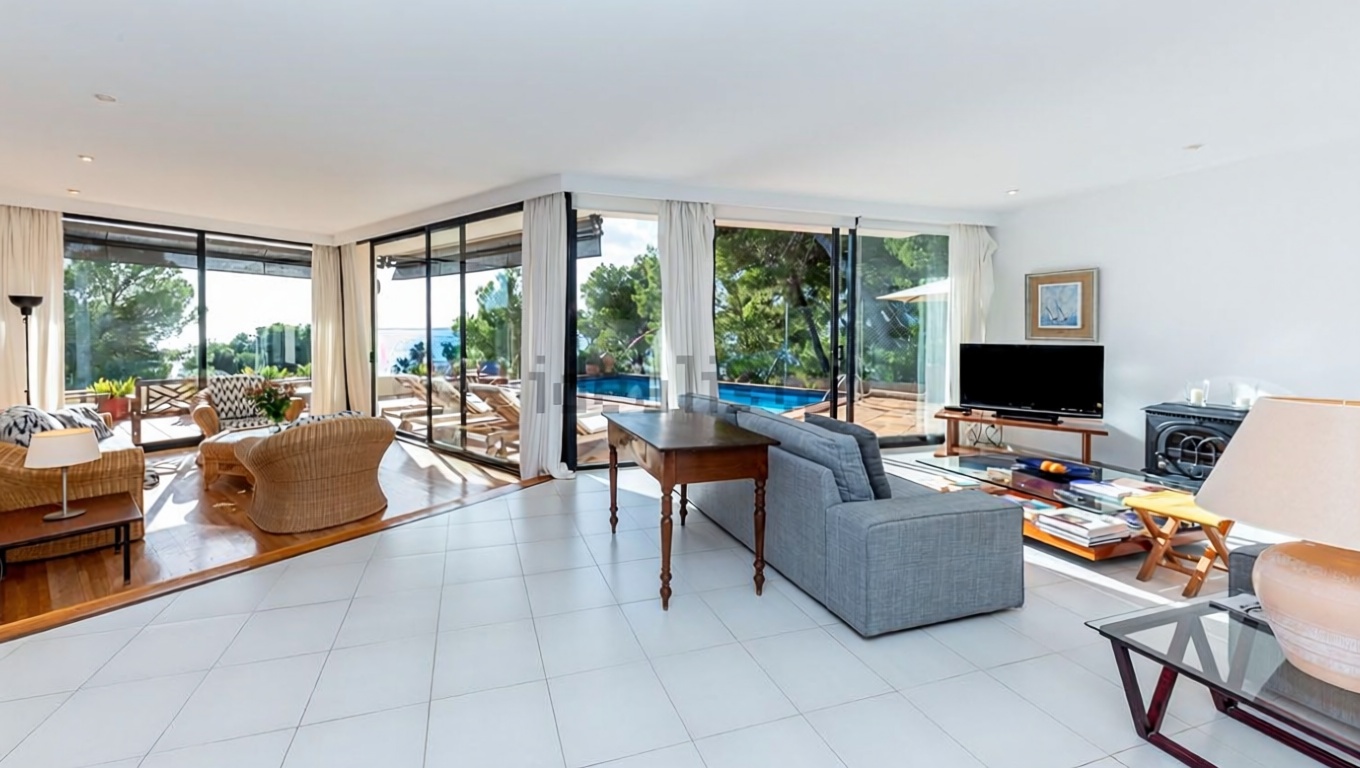
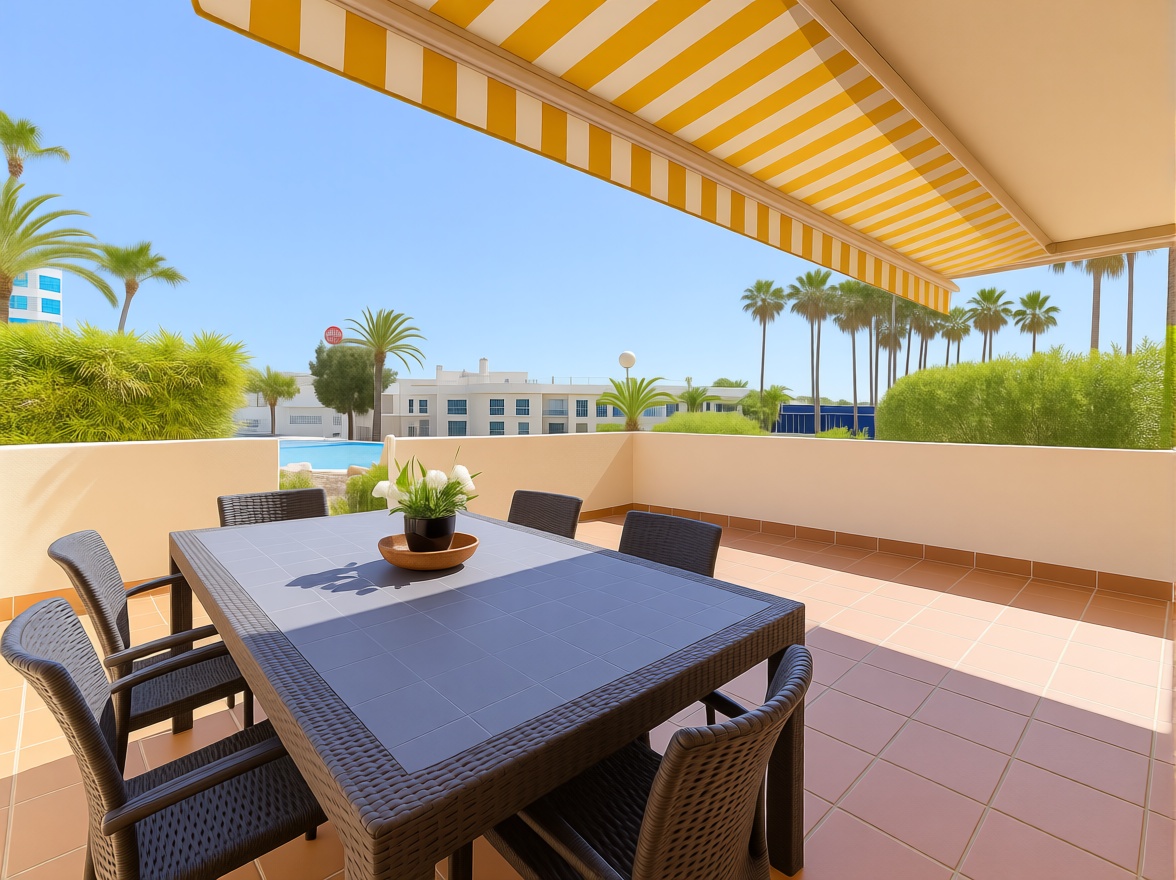
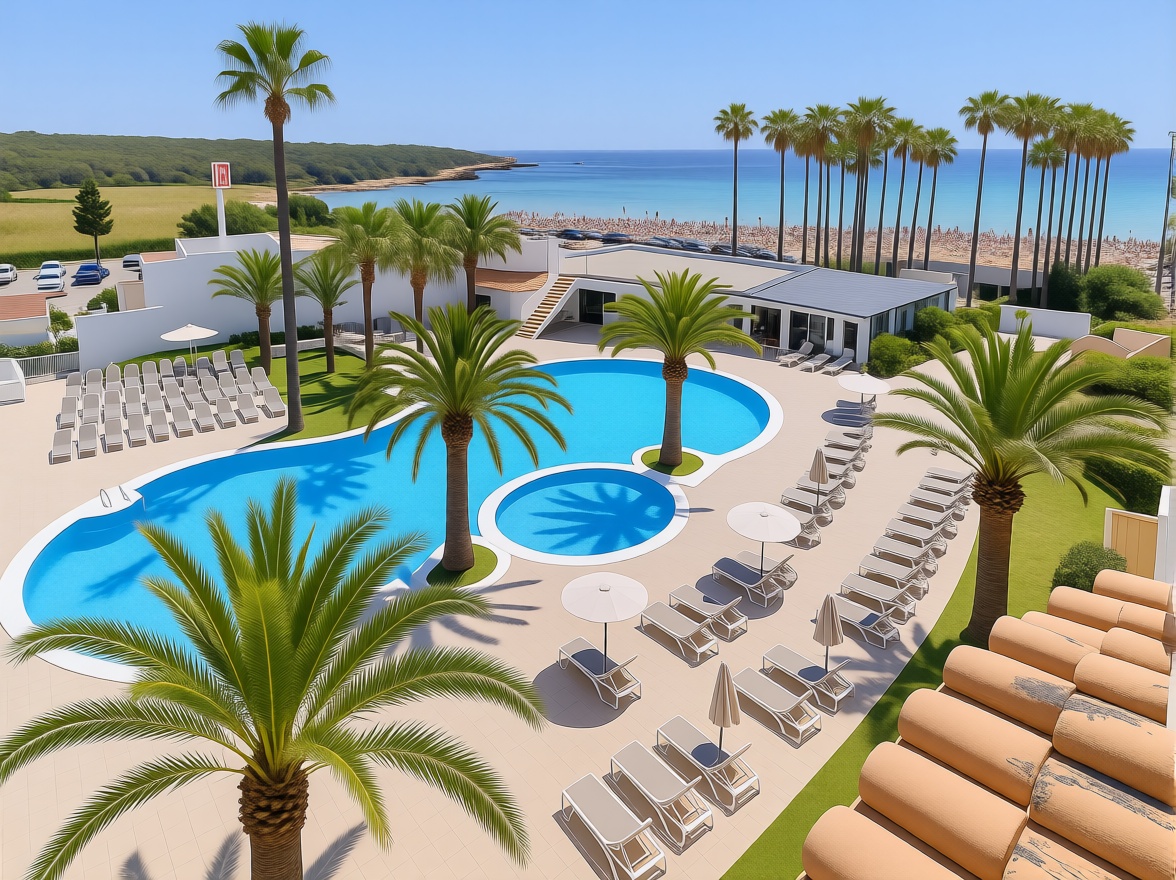
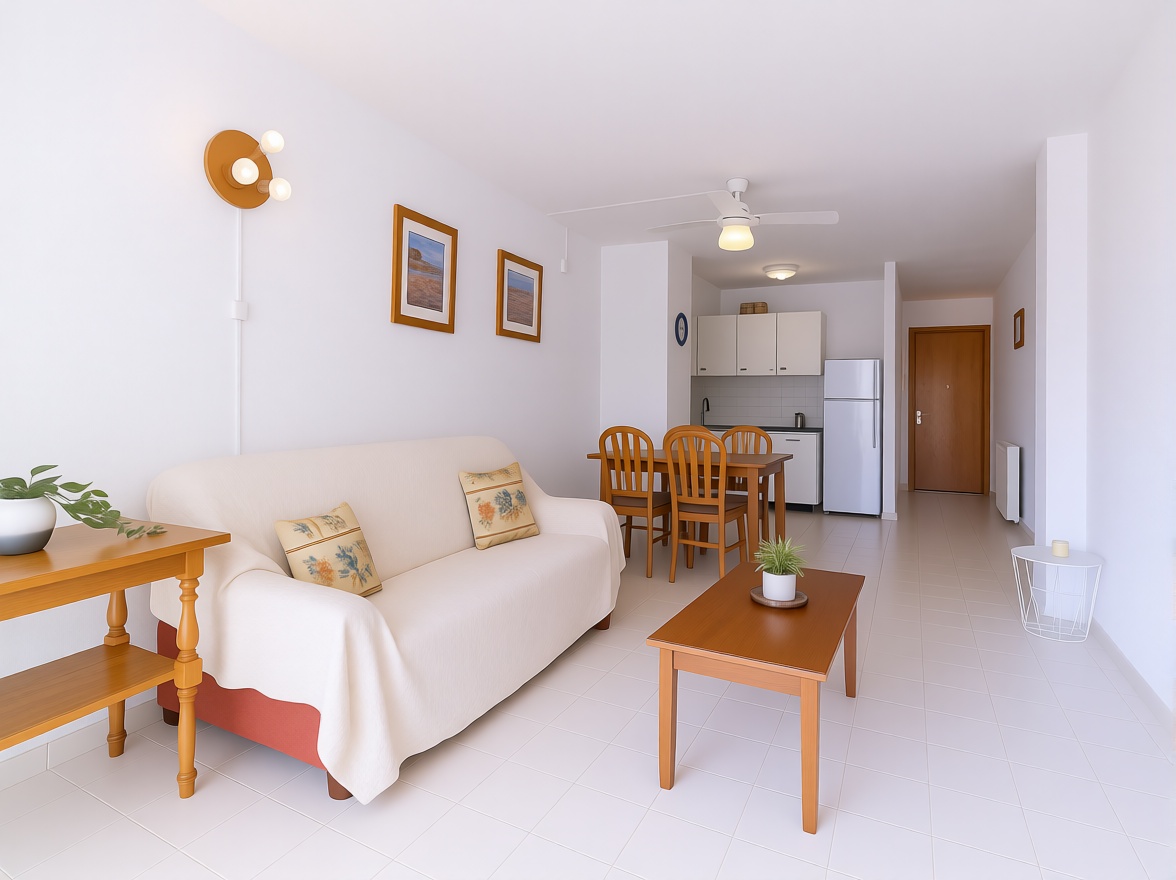
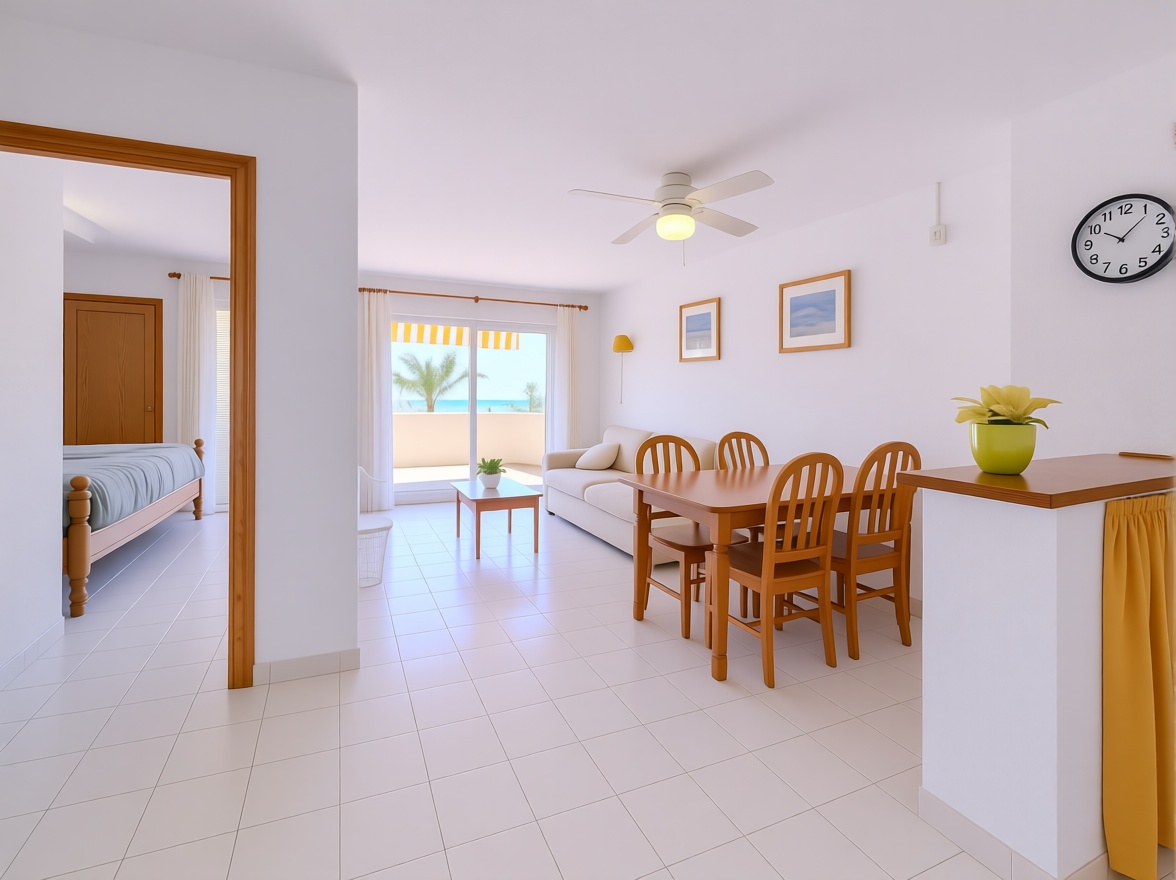
The seafront in Mallorca offers a variety of housing options, from luxurious penthouses with panoramic views to charming apartments with direct beach access. Areas like Portals Nous and Puerto Pollensa are known for their upscale residences, while Cala d'Or offers a more laid-back atmosphere with its picturesque marina and whitewashed buildings. Each stretch of the coastline presents a unique living experience, catering to different preferences and lifestyles.
Mallorca's appeal as a destination for seafront homes lies in its diverse offerings, from stunning beaches and vibrant cultural life to excellent transport links and a thriving economy. Whether seeking a peaceful retreat or a lively community, the island provides a perfect setting for those looking to invest in a property by the sea.