Guide of Manacor
Average price per m²
10.151€/m²
Based on 9 active listings in Manacor
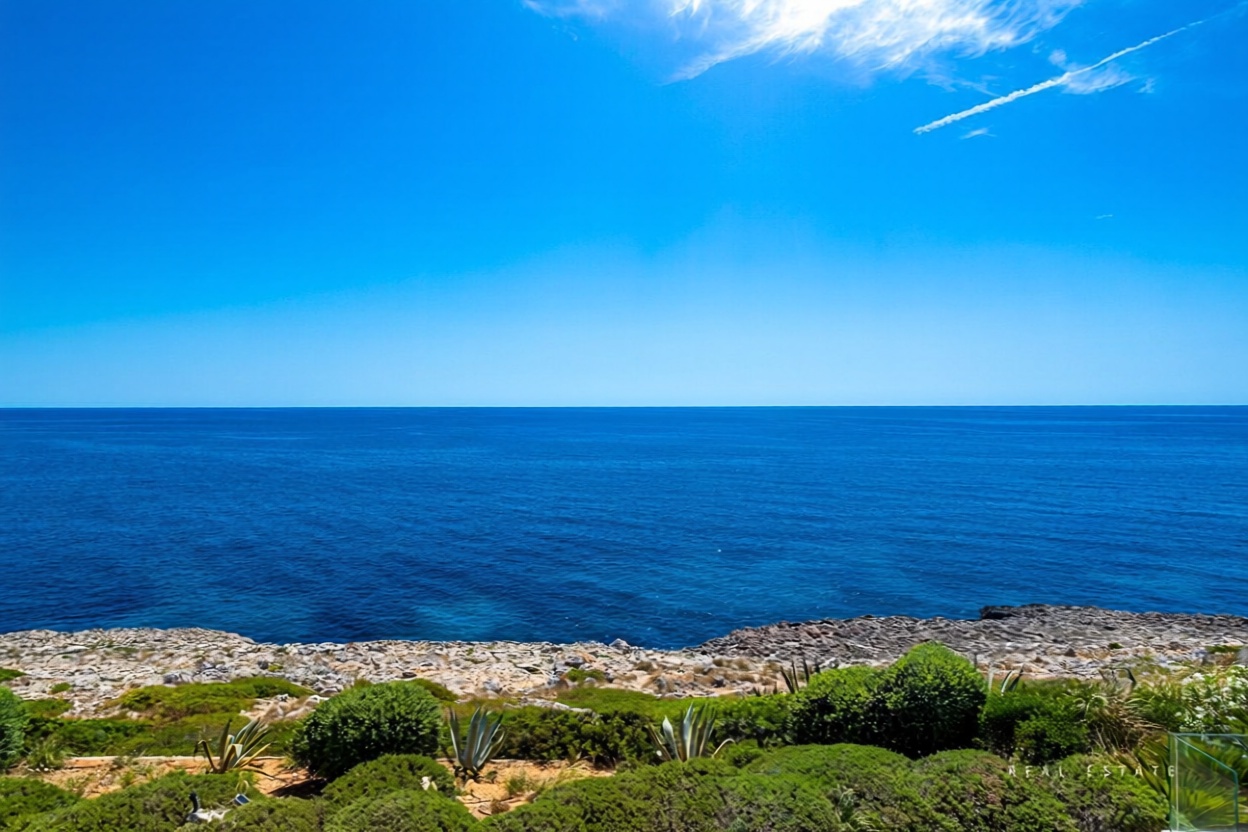
Manacor, located on the eastern coast of the island of Mallorca in the Balearic Islands, is a destination renowned for its stunning coastline and vibrant cultural heritage. As the second-largest town on the island, it offers a unique blend of natural beauty and rich history, making it an attractive location for those seeking a seafront home. The town is known for its artisanal crafts, particularly pearls, and its proximity to beautiful beaches and coves.
The beaches of Manacor
Manacor boasts a variety of beaches, each offering distinct characteristics. Cala Varques is a secluded beach known for its fine white sand and clear turquoise waters, accessible via a short hike through a pine forest. It lacks services, making it ideal for those seeking tranquility. Cala Romántica, on the other hand, is more developed, with amenities such as sunbeds and a beach bar, making it popular among families. Cala Anguila is another picturesque spot, offering golden sands and calm waters, perfect for swimming and snorkeling.
Playa de Porto Cristo is a more urban beach, located in the charming village of Porto Cristo. It features a promenade lined with restaurants and shops, providing a lively atmosphere. The beach is well-equipped with facilities, including showers and lifeguards, ensuring a comfortable visit. Each of these beaches contributes to Manacor's appeal as a prime location for beachfront living.
Living in Manacor: climate and year-round population
Manacor enjoys a typical Mediterranean climate, characterized by hot, dry summers and mild, wet winters. This climate makes it an attractive year-round destination. During the summer months, the population swells with tourists and seasonal residents, creating a bustling atmosphere. In contrast, the winter months see a quieter, more relaxed pace, with a smaller resident base that allows for a more intimate connection with the local community.
Water and nautical activities in Manacor
The coastal location of Manacor offers numerous opportunities for water-based activities. The Porto Cristo Nautical Club provides facilities for sailing and other water sports, attracting enthusiasts from around the island. Scuba diving is particularly popular, with several dive centers offering excursions to explore the rich marine life and underwater caves in the area. Kayaking and paddleboarding are also common, allowing residents and visitors to enjoy the stunning coastline from the water.
Cultural tourism: heritage and traditions of Manacor
Manacor is steeped in cultural heritage, with several notable sites and traditions. The town is home to the Church of Nostra Senyora dels Dolors, a striking Gothic-style building that dominates the skyline. The nearby Caves of Drach are a major attraction, featuring impressive stalactites and stalagmites, as well as an underground lake where classical music concerts are held. The town also celebrates traditional festivals, such as the Sant Antoni festivities in January, which include parades and bonfires.
Economy and business fabric of Manacor
Manacor's economy is diverse, with a strong emphasis on agriculture, crafts, and tourism. The town is famous for its pearl industry, with several factories producing high-quality artificial pearls. Agriculture remains important, with local products such as almonds and olives contributing to the economy. Tourism also plays a significant role, supported by the town's cultural attractions and beautiful beaches, which draw visitors throughout the year.
Tourism in Manacor
Tourism in Manacor is driven by its natural beauty and cultural offerings. The town attracts a mix of international and domestic visitors, drawn to its beaches, historical sites, and vibrant local culture. The presence of the Caves of Drach and the charming village of Porto Cristo enhances its appeal as a tourist destination. The summer months are particularly busy, with a range of activities and events catering to tourists.
Gastronomy and local products
Manacor offers a rich gastronomic experience, with local products playing a central role. The town is known for its sobrasada, a cured sausage made from local pork, and ensaimadas, a traditional pastry. Olive oil and almonds from the region are also highly regarded. These products can be found in local markets and are celebrated in various culinary events throughout the year, reflecting the town's agricultural heritage.
Communications and services
Manacor is well-connected, with a train station providing regular services to Palma, the capital of Mallorca. The town is accessible via the Ma-15 road, which links it to other parts of the island. Palma de Mallorca Airport is the nearest international gateway, offering flights to and from major European cities. Manacor also provides essential services, including healthcare facilities, schools, and a range of shops and markets, ensuring a comfortable lifestyle for residents.
The seafront in Manacor
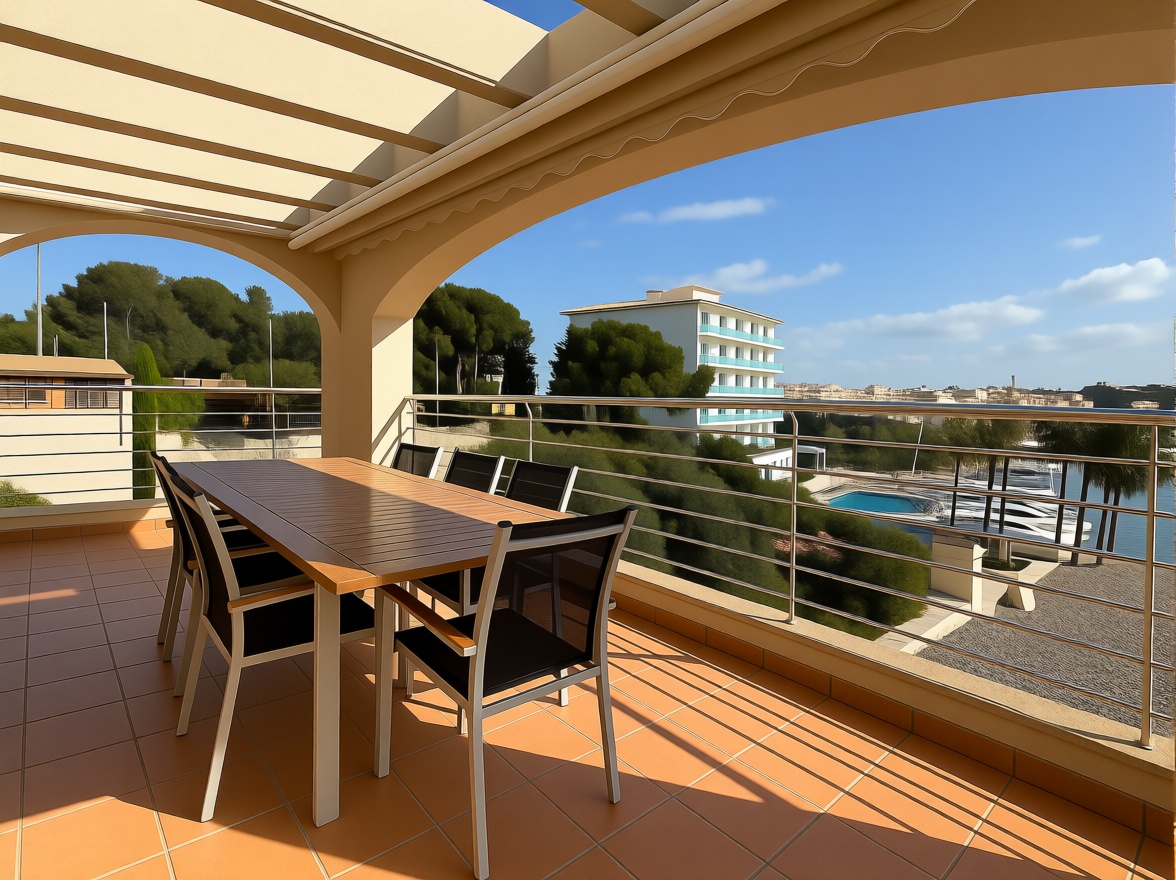
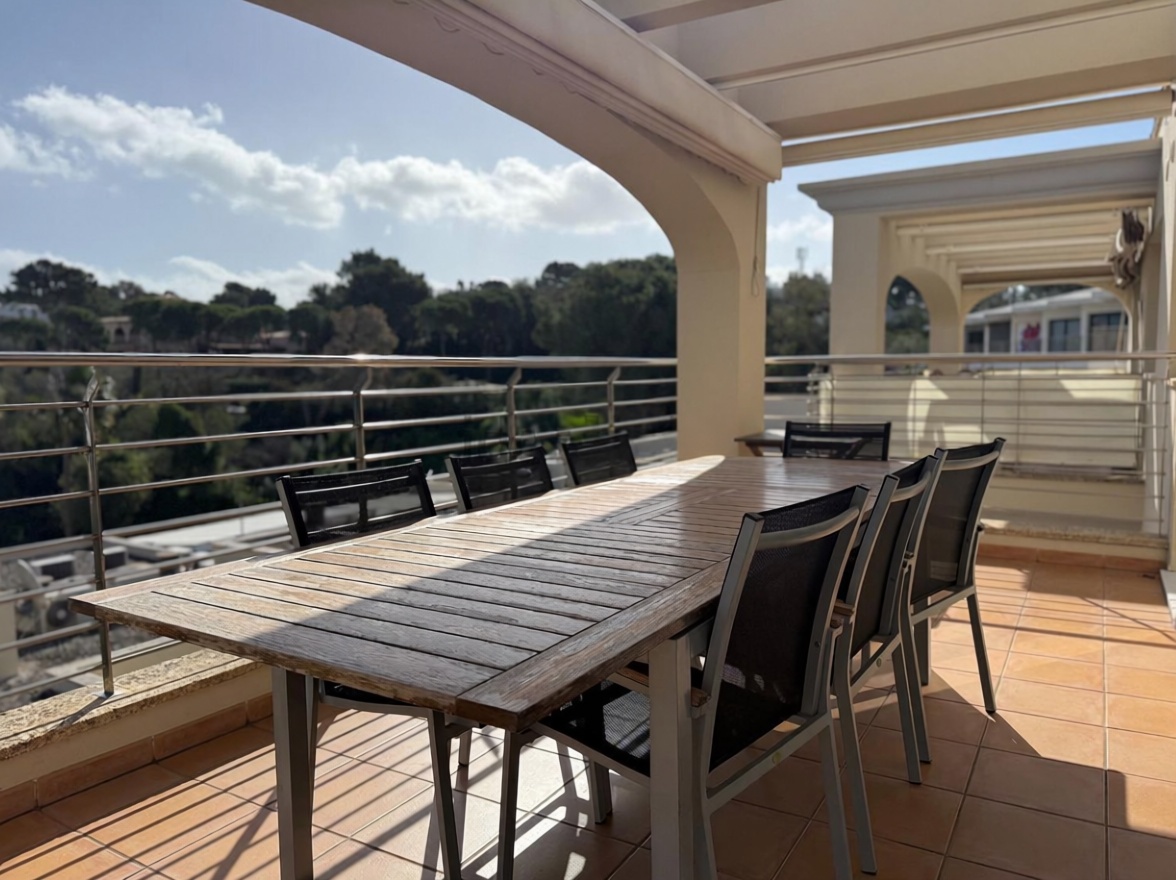
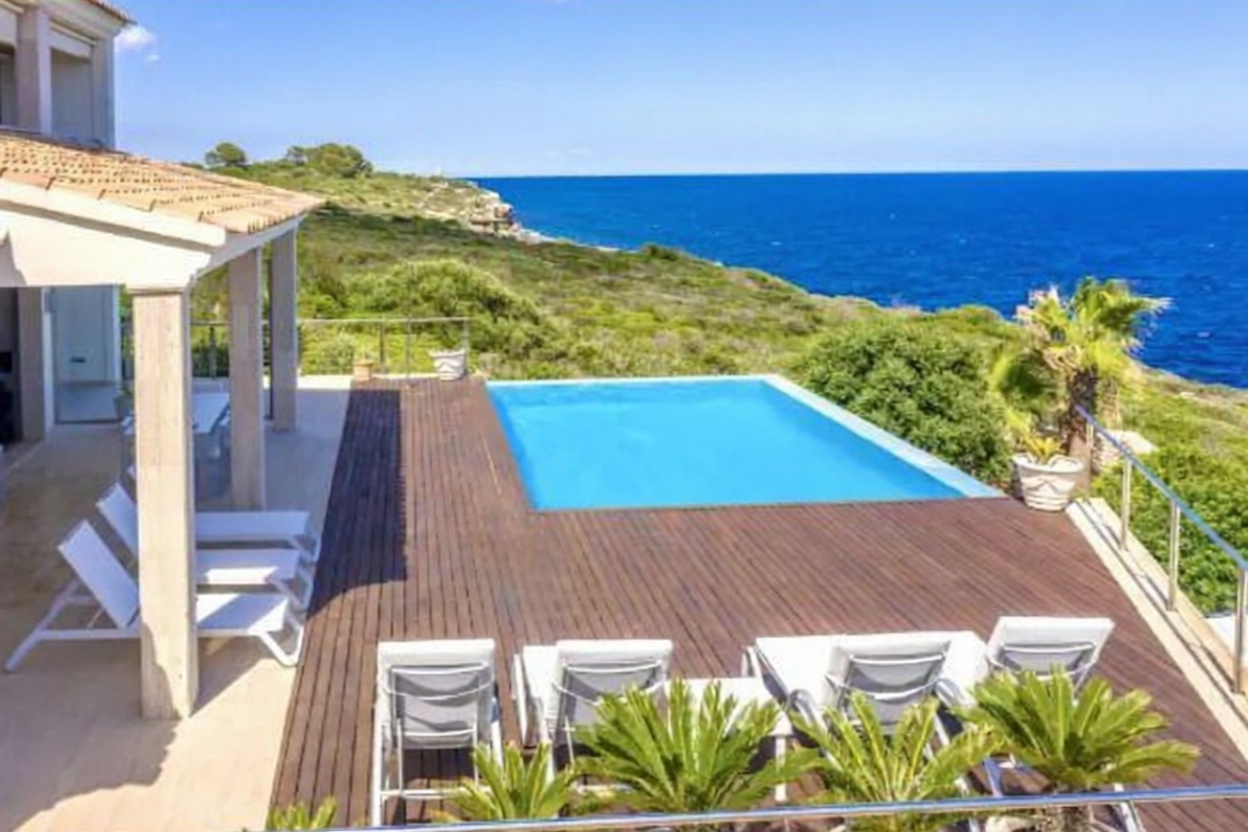
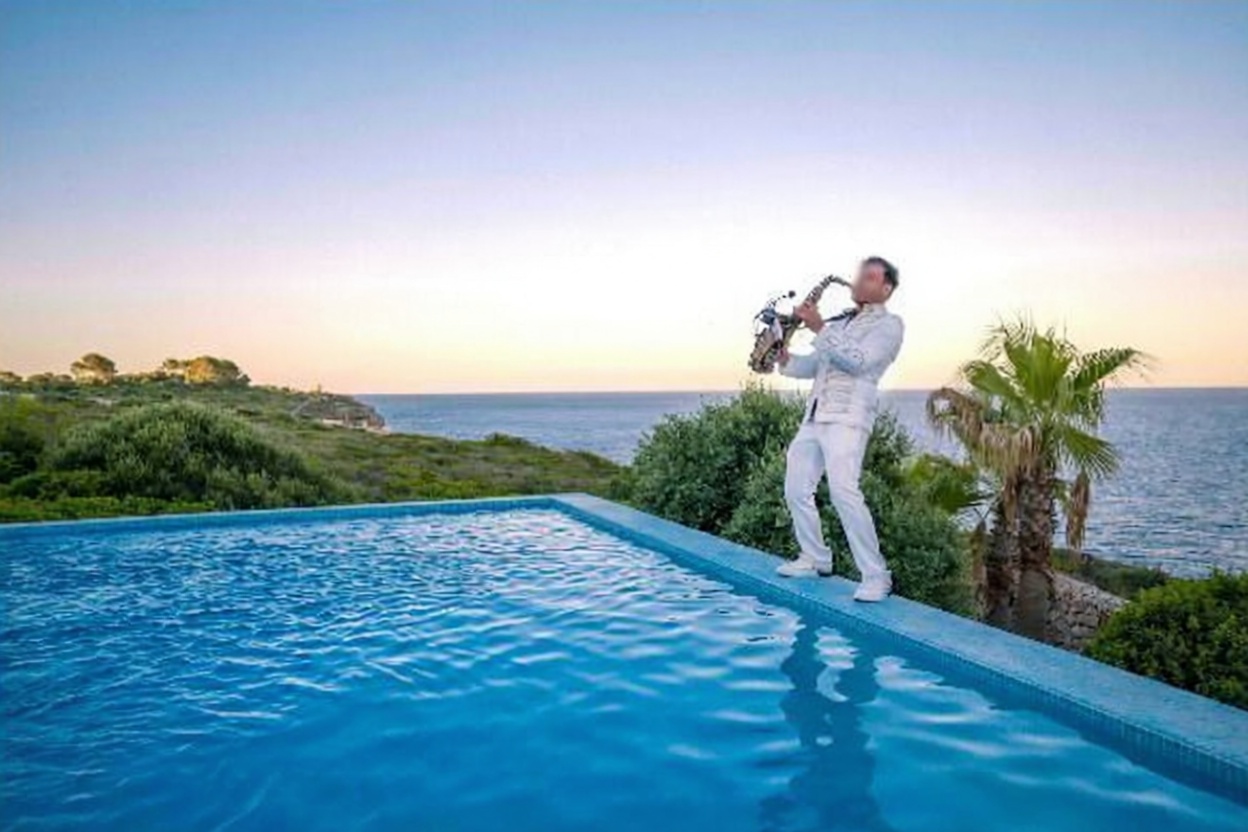
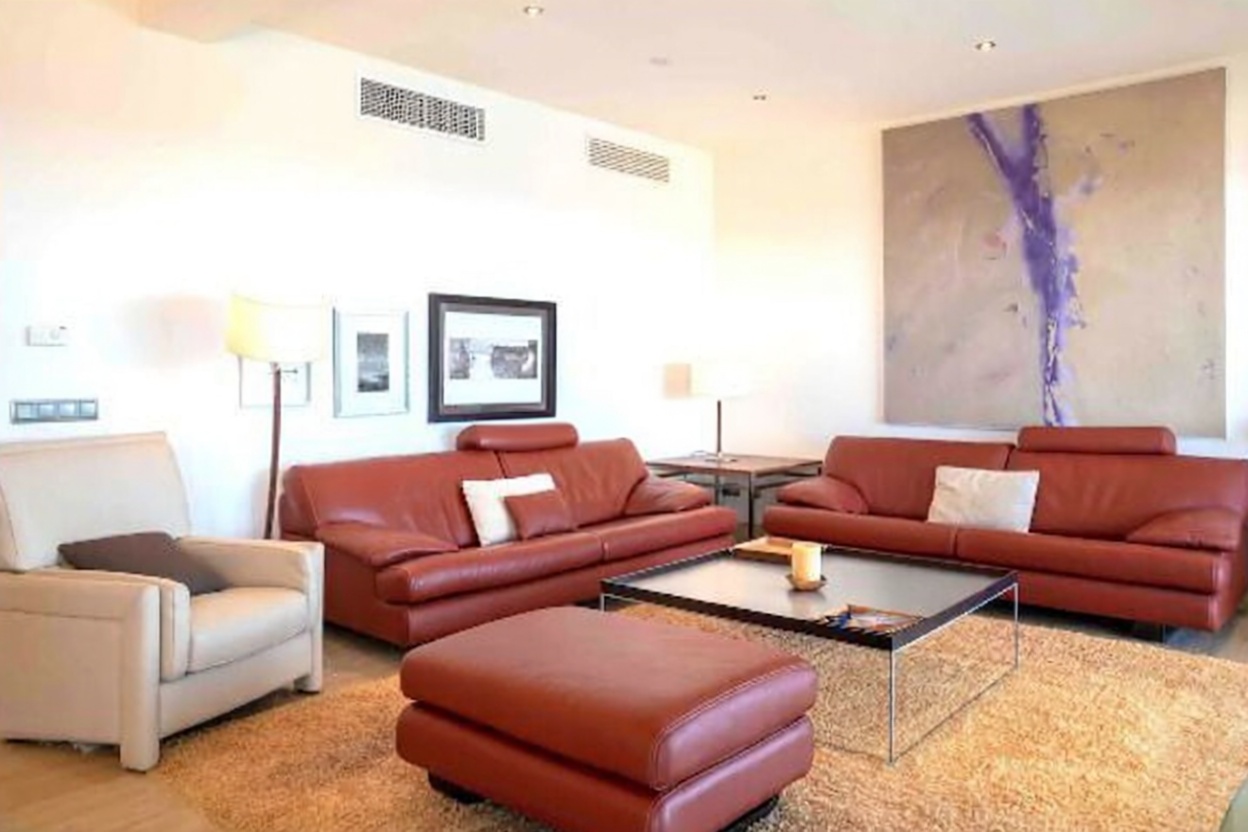
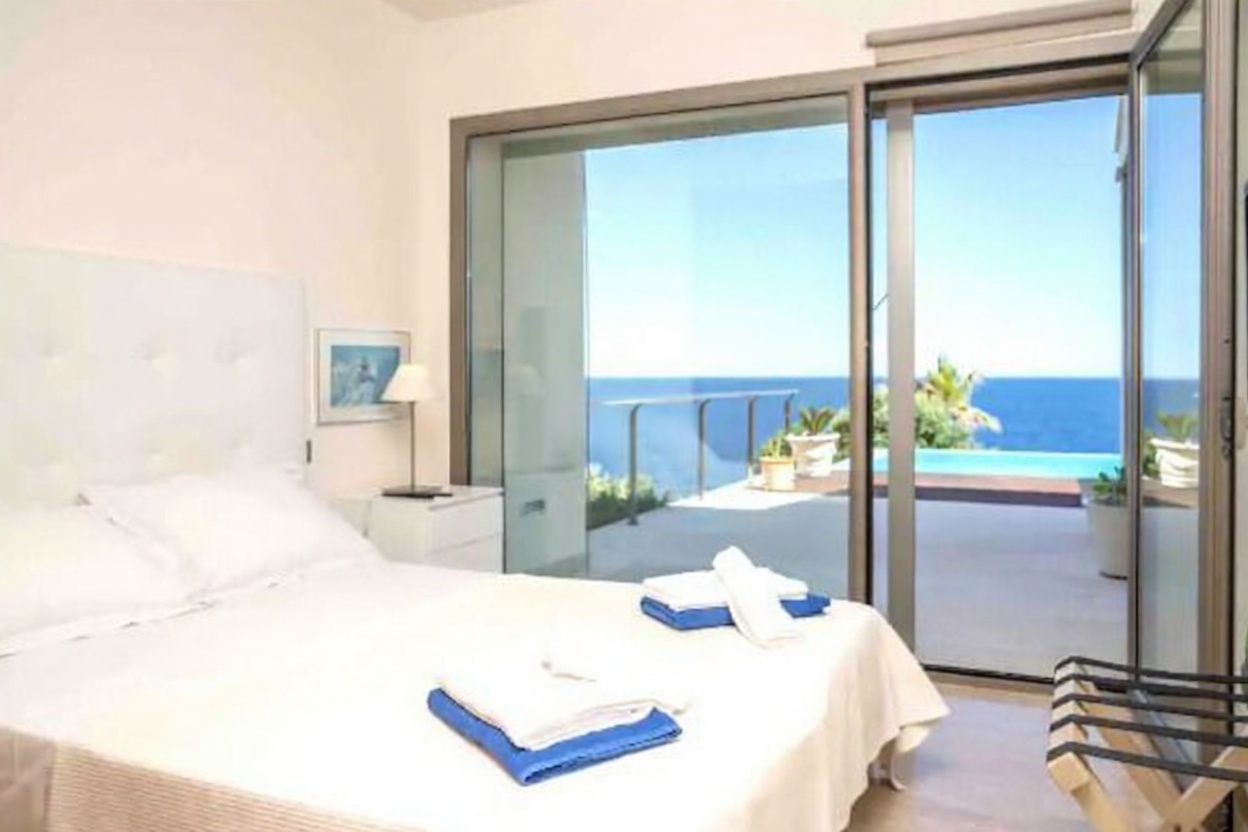
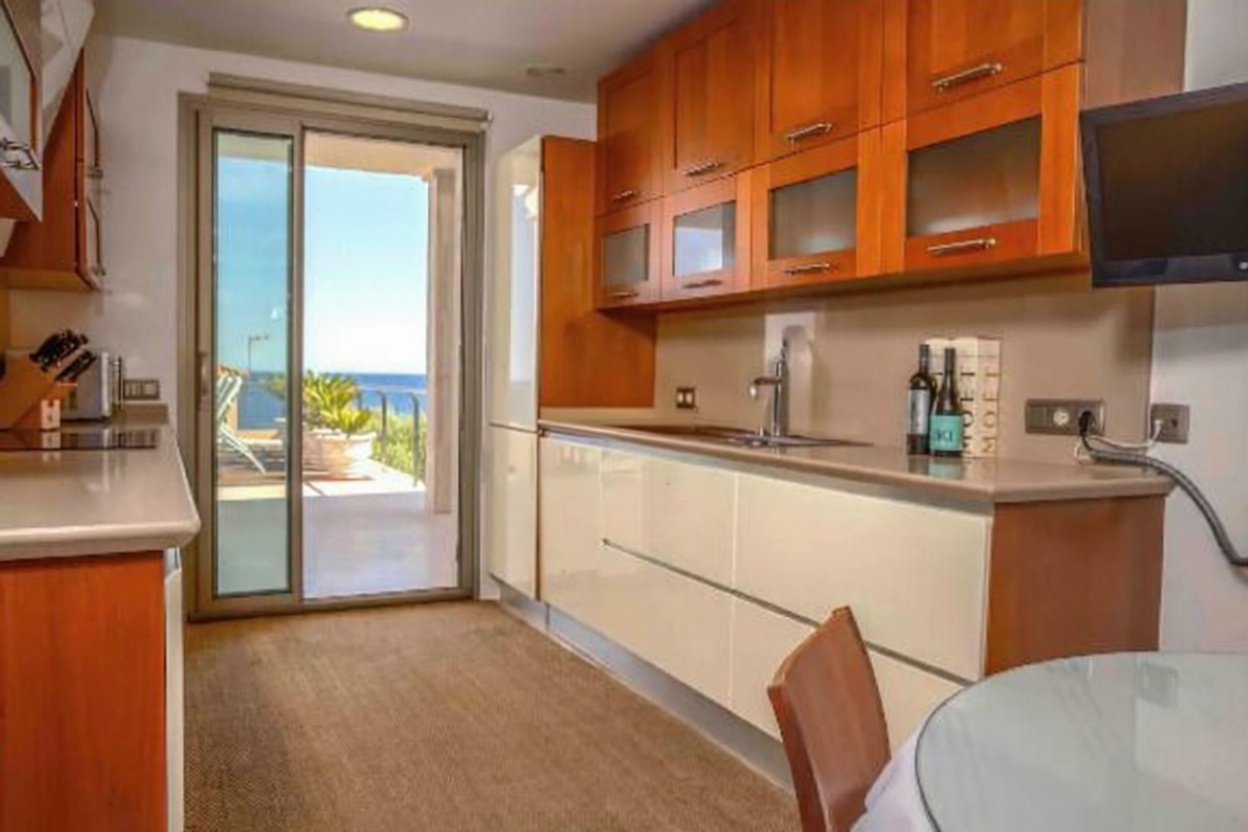
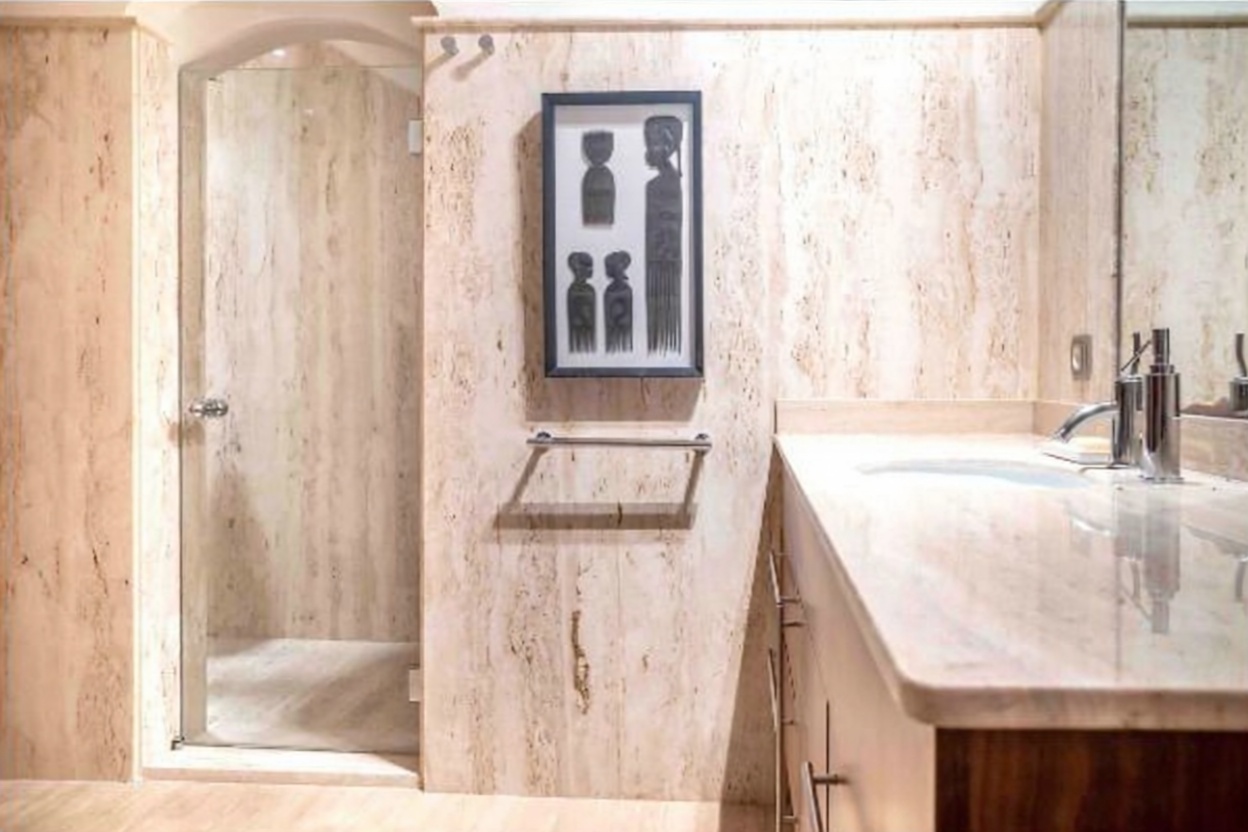
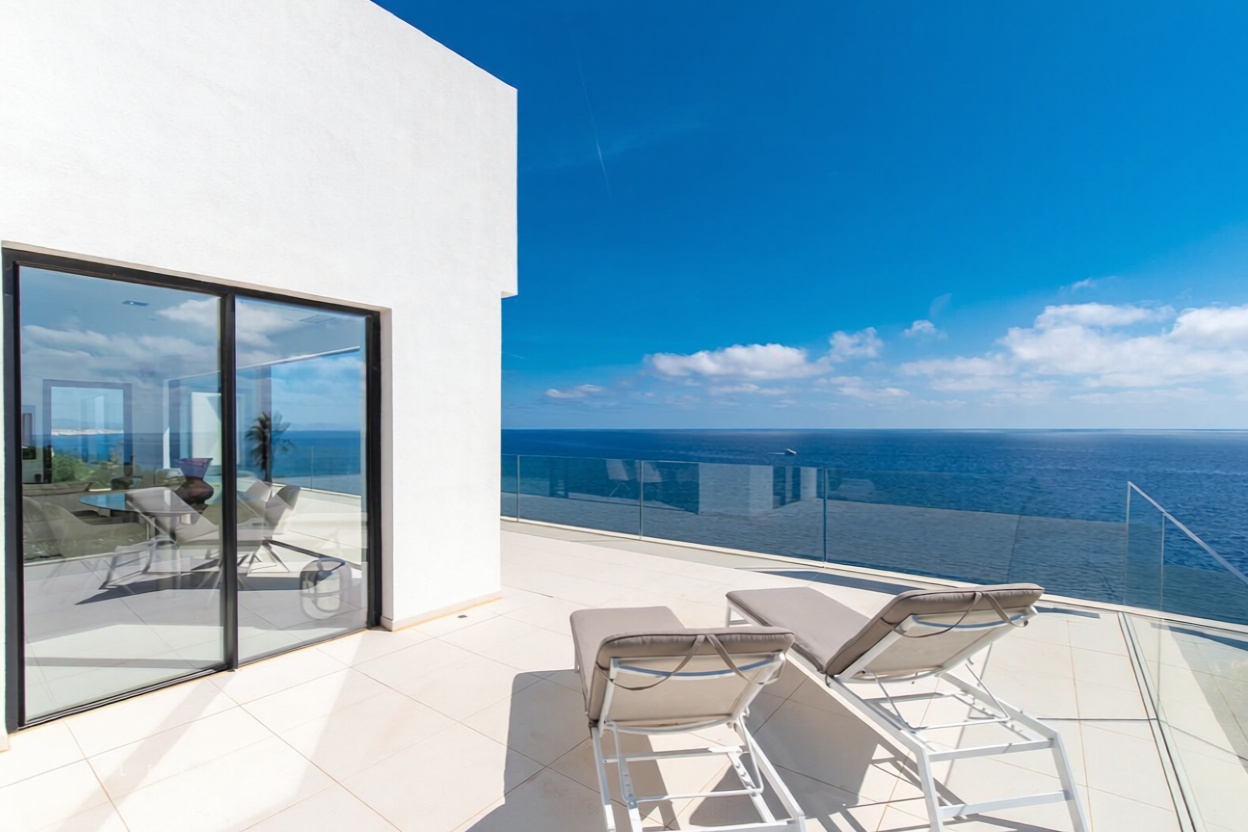
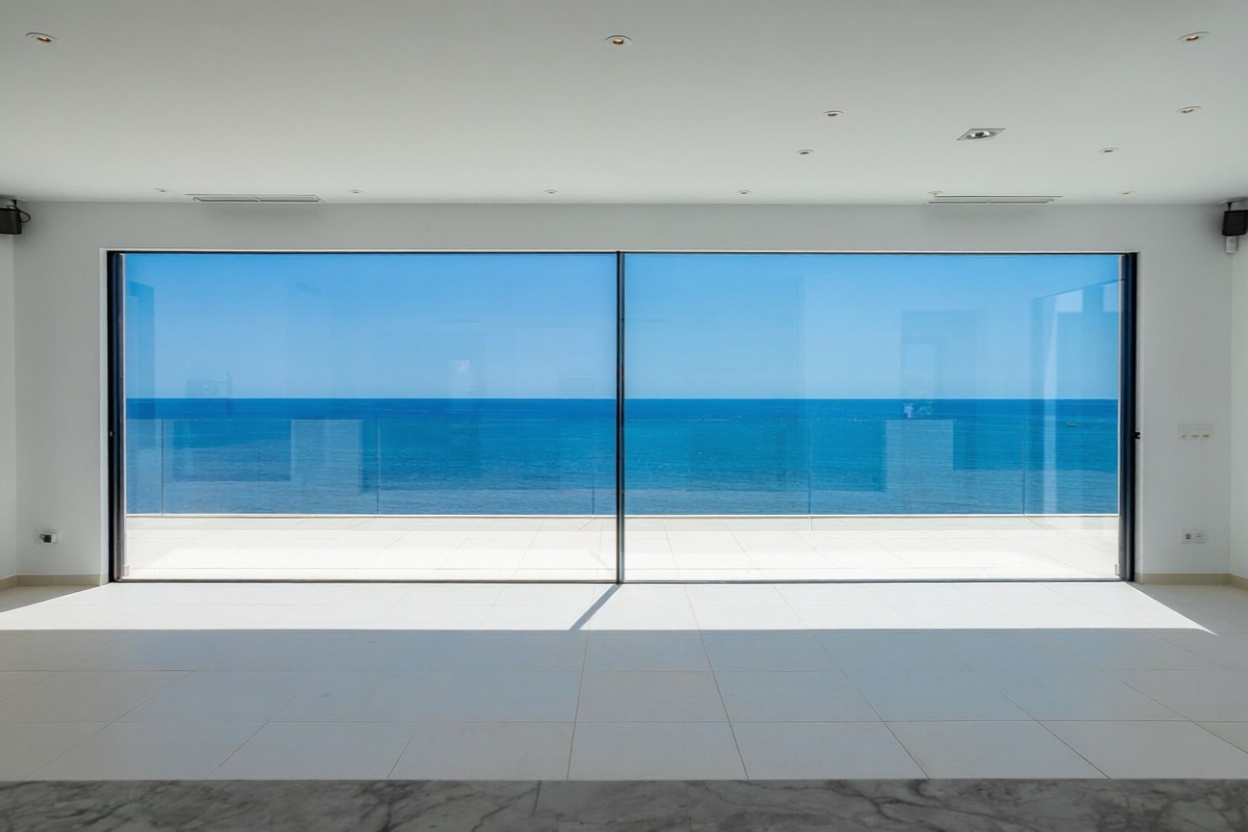
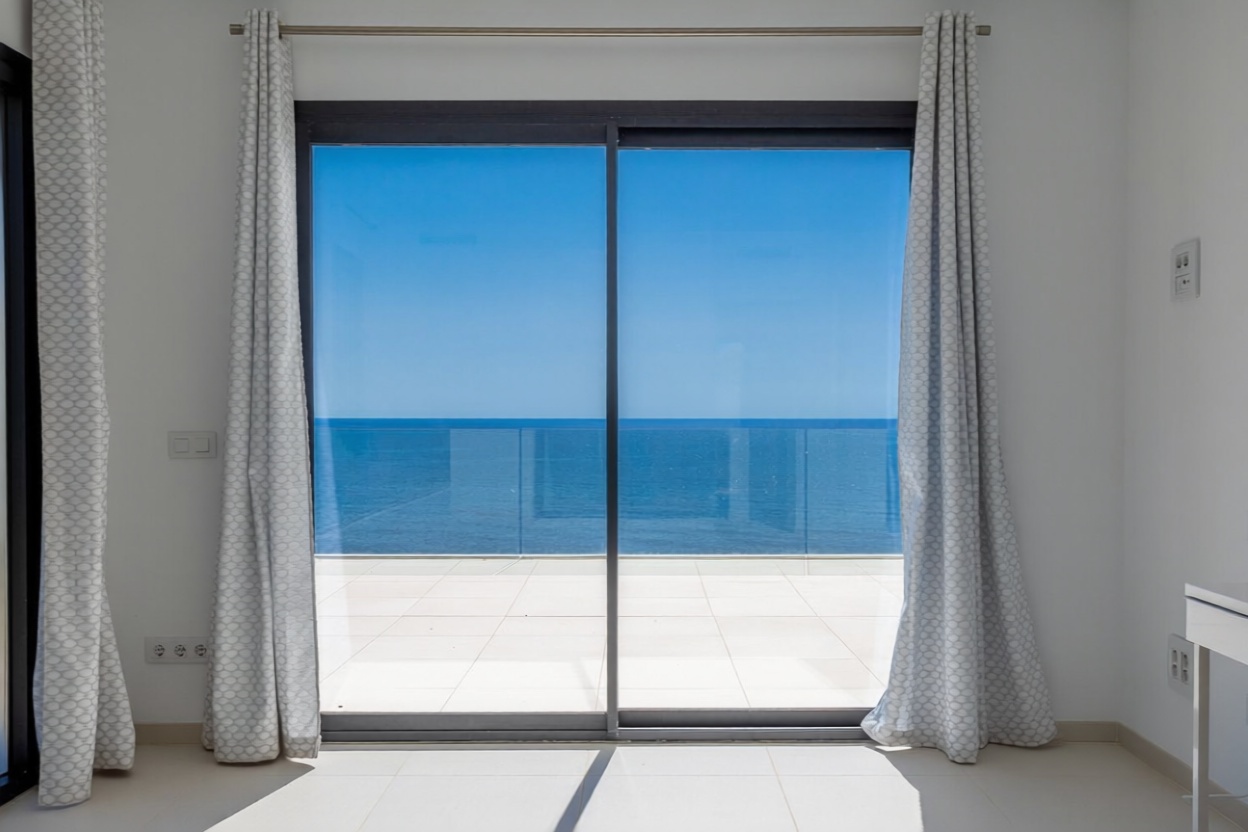
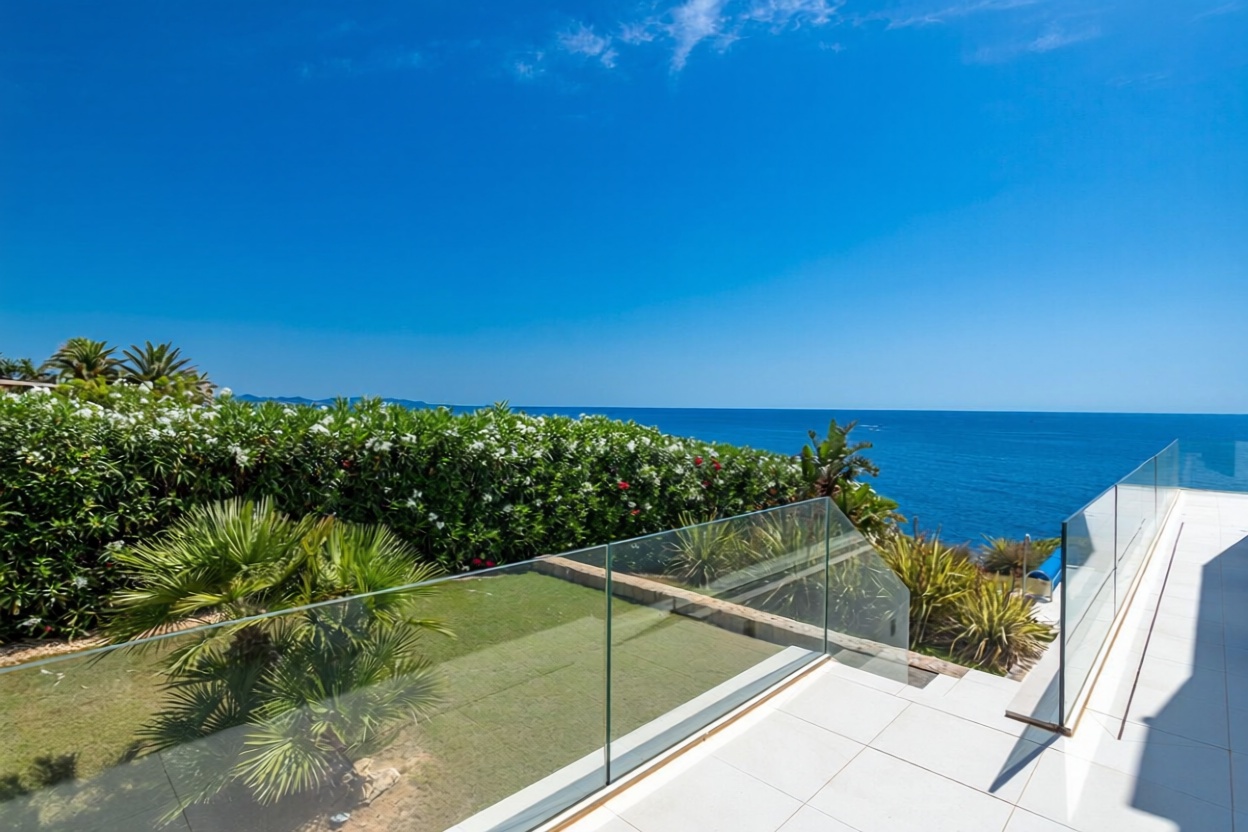
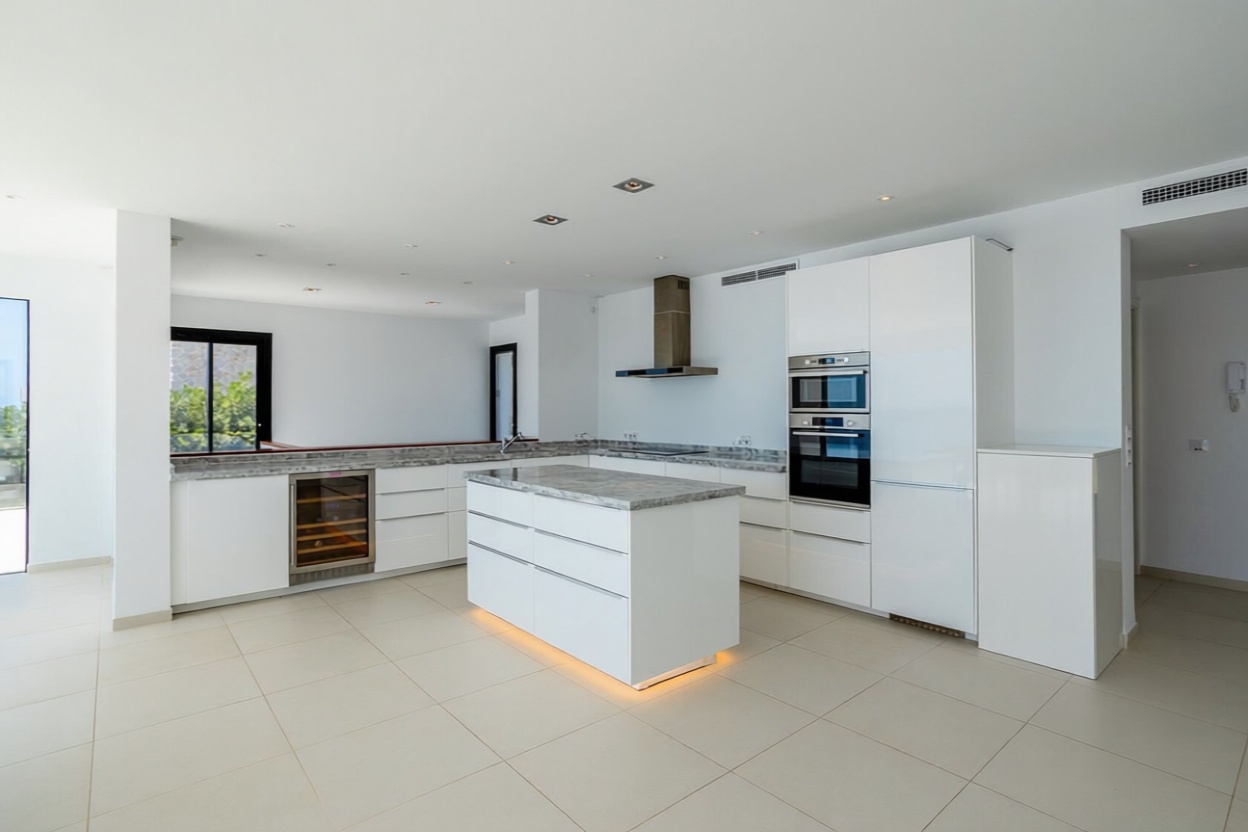
The seafront in Manacor offers a variety of residential options, from modern apartments to traditional houses with direct beach access. The area around Porto Cristo is particularly sought after, with its picturesque harbor and vibrant community. Penthouses with stunning sea views and ground-floor apartments with easy access to the beach are popular choices. The urban fabric varies, with some areas featuring promenades and others offering more secluded, private settings.
Manacor's blend of natural beauty, cultural heritage, and modern amenities makes it a compelling choice for those seeking a home on the seafront. Its diverse range of beaches, vibrant local culture, and excellent connectivity ensure it remains an attractive destination for both residents and visitors.