Guide of Palma de Mallorca
Average price per m²
10.051€/m²
Based on 54 active listings in Palma de Mallorca
Palma de Mallorca, the vibrant capital of the Balearic Islands, is a city that combines rich history with stunning coastal landscapes. Situated on the island of Mallorca, it is known for its beautiful beaches, historical architecture, and bustling port. The city serves as a major hub for both tourism and commerce in the region, offering a unique blend of cultural heritage and modern amenities.
The Beaches of Palma de Mallorca
Palma de Mallorca boasts a variety of beaches that cater to different preferences. Playa de Palma is one of the most popular, stretching over 4 kilometers with fine golden sand and a lively promenade. It offers a range of services, including sunbed rentals and water sports facilities. For those seeking a quieter experience, Cala Major provides a more secluded setting with its small cove and clear waters, ideal for swimming and sunbathing.
Another notable beach is Can Pere Antoni, located close to the city center. This urban beach is easily accessible and features a beautiful view of the Cathedral of Santa Maria of Palma. It is equipped with a promenade, making it a favorite spot for both locals and tourists to enjoy a leisurely walk or a bike ride along the coast.
Living in Palma de Mallorca: Climate and Year-Round Population
Palma de Mallorca enjoys a Mediterranean climate, characterized by hot, dry summers and mild, wet winters. The city is bustling with activity during the summer months, attracting tourists from around the world. In contrast, the winter season sees a quieter atmosphere, with a smaller resident population that maintains the local rhythm of life. This seasonal variation offers a unique experience for those living in or visiting the city year-round.
Water and Nautical Activities in Palma de Mallorca
The city's coastal location makes it an ideal destination for water and nautical activities. The Real Club Náutico de Palma is a prominent institution, hosting various sailing events and offering facilities for yachting enthusiasts. Additionally, the Port of Palma is a major marina, providing services for both private yachts and commercial vessels. Visitors can enjoy activities such as sailing, windsurfing, and diving, taking advantage of the crystal-clear waters surrounding the island.
Cultural Tourism: Heritage and Traditions of Palma de Mallorca
Palma de Mallorca is rich in cultural heritage, with numerous landmarks and traditions that attract visitors year-round. The Cathedral of Santa Maria of Palma, also known as La Seu, is a stunning example of Gothic architecture, standing majestically by the sea. Another significant site is the Almudaina Palace, a former royal residence that reflects the city's historical significance.
The city also hosts various festivals, such as the Sant Sebastià Festival in January, which celebrates the patron saint of Palma with music, parades, and fireworks. These cultural events provide a glimpse into the vibrant traditions and community spirit of the city.
Economy and Business Fabric of Palma de Mallorca
Palma de Mallorca's economy is diverse, with tourism playing a significant role alongside other sectors such as agriculture and services. The city's strategic location in the Mediterranean makes it a key player in maritime trade, with the Port of Palma serving as a vital point for imports and exports. Additionally, the local economy benefits from a thriving retail sector, supported by both residents and tourists.
Tourism in Palma de Mallorca
Tourism is a cornerstone of Palma de Mallorca's economy, with the city attracting millions of visitors each year. The diverse range of attractions, from historical sites to modern amenities, appeals to a wide array of tourists. The city is known for its vibrant nightlife, luxury accommodations, and cultural events, making it a popular destination for both leisure and business travelers.
Gastronomy and Local Products
Palma de Mallorca offers a rich culinary scene, with local dishes that reflect the island's cultural influences. Traditional Mallorcan cuisine includes specialties such as sobrasada, a cured sausage, and ensaimada, a sweet pastry. The island is also known for its wines, with several local vineyards producing high-quality varieties. Visitors can explore the local markets to discover fresh produce and artisanal products that highlight the region's gastronomic heritage.
Transport and Services
The city is well-connected, with Palma de Mallorca Airport serving as a major gateway to the island. The airport offers flights to numerous international destinations, facilitating easy access for visitors. Additionally, the city is connected by a network of roads and public transport, including buses and trains, making it convenient to navigate both within Palma and to other parts of the island.
The Seafront in Palma de Mallorca
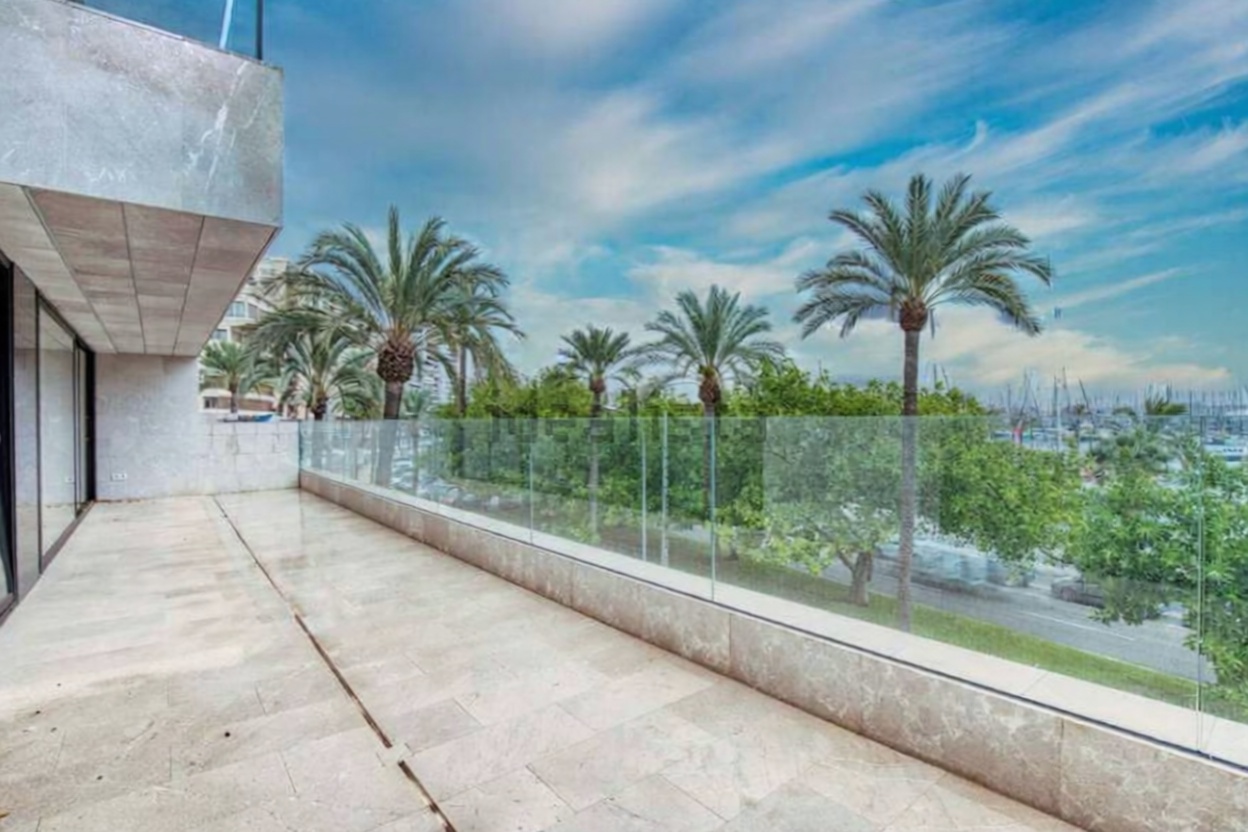
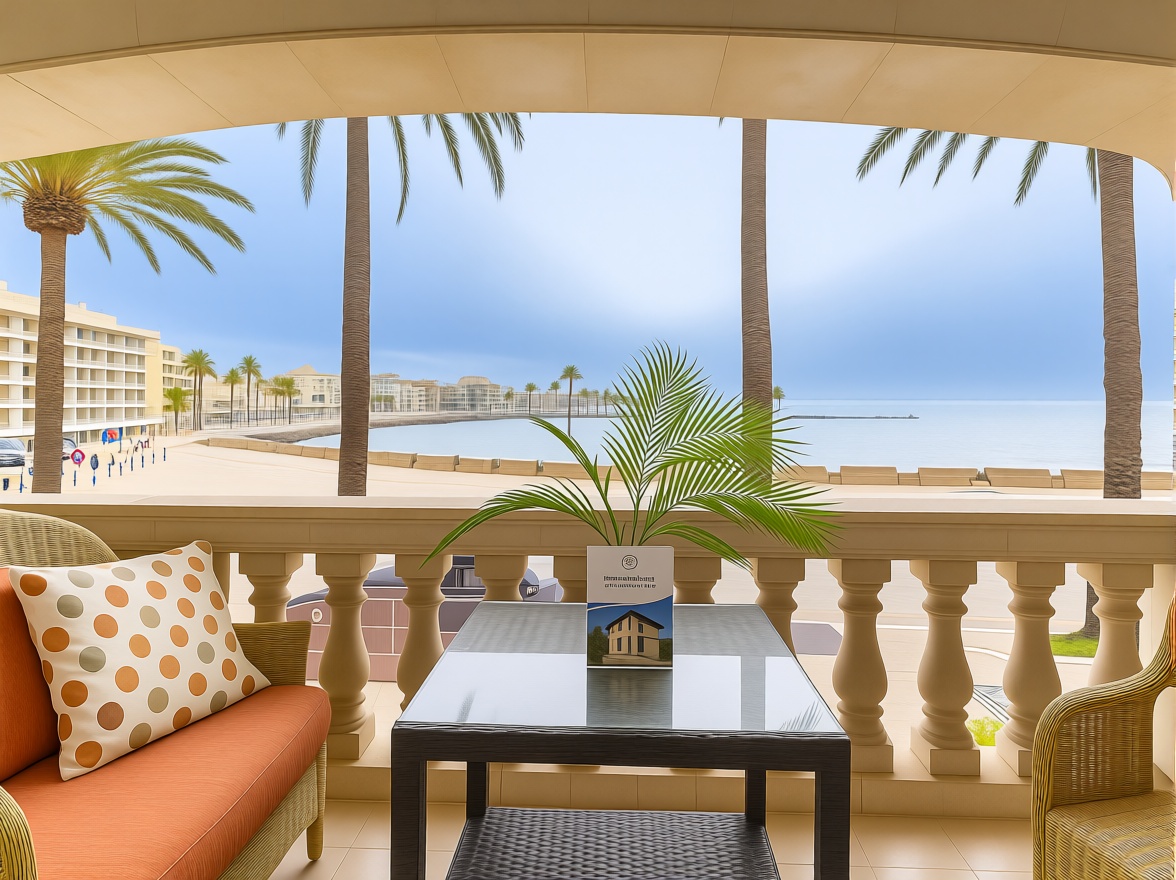
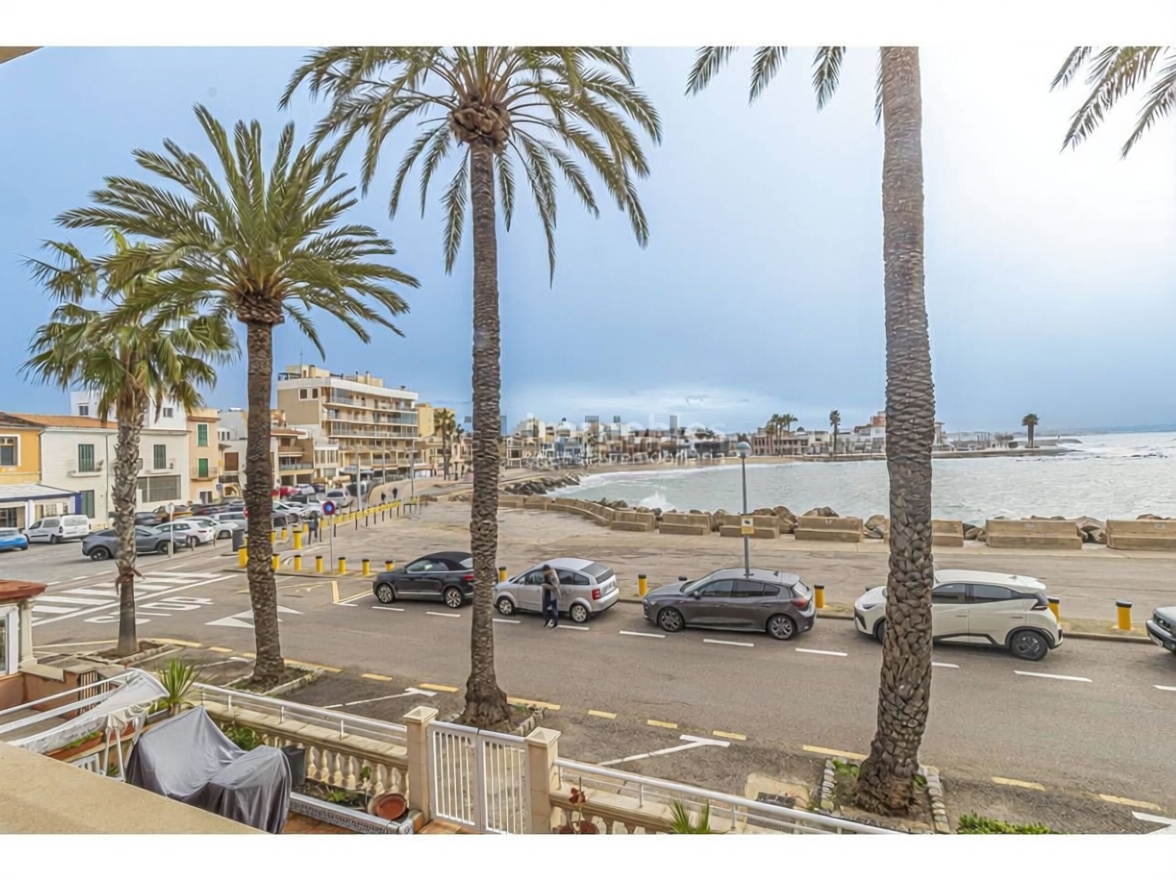
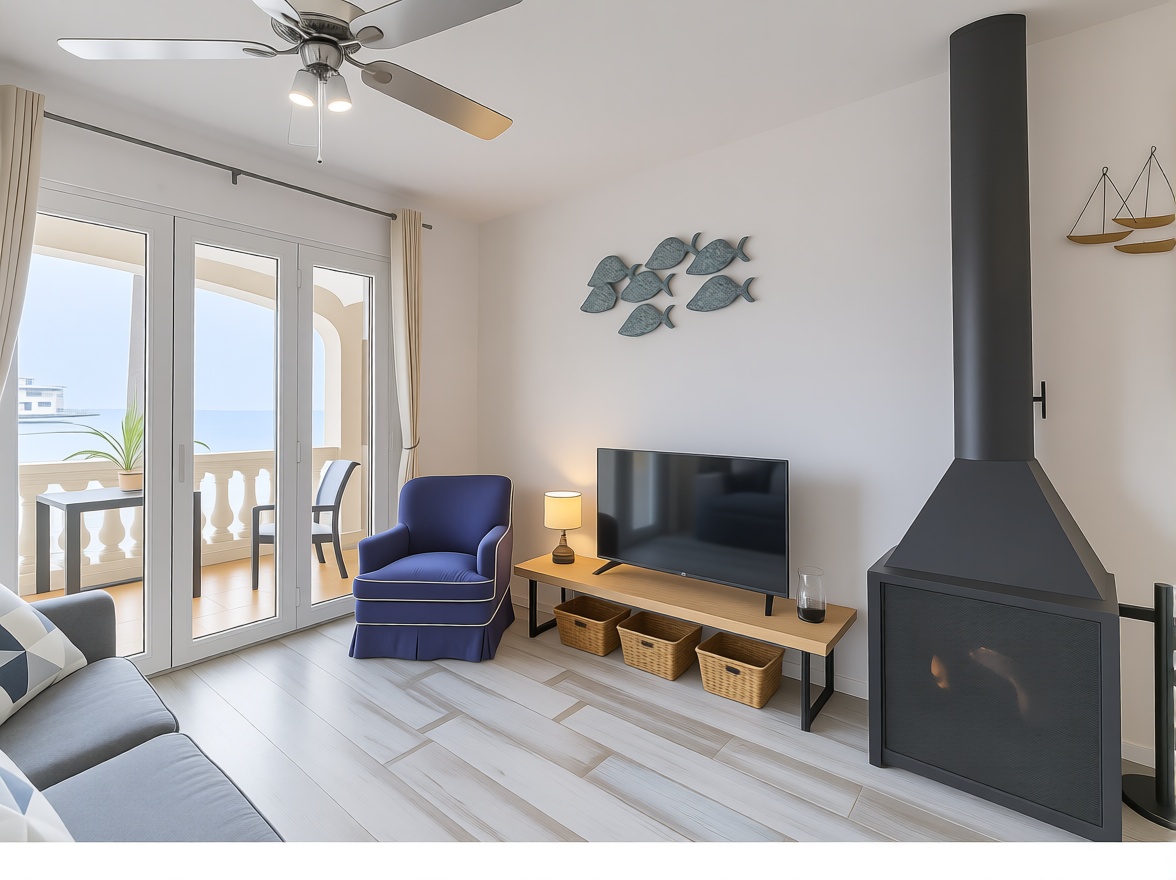
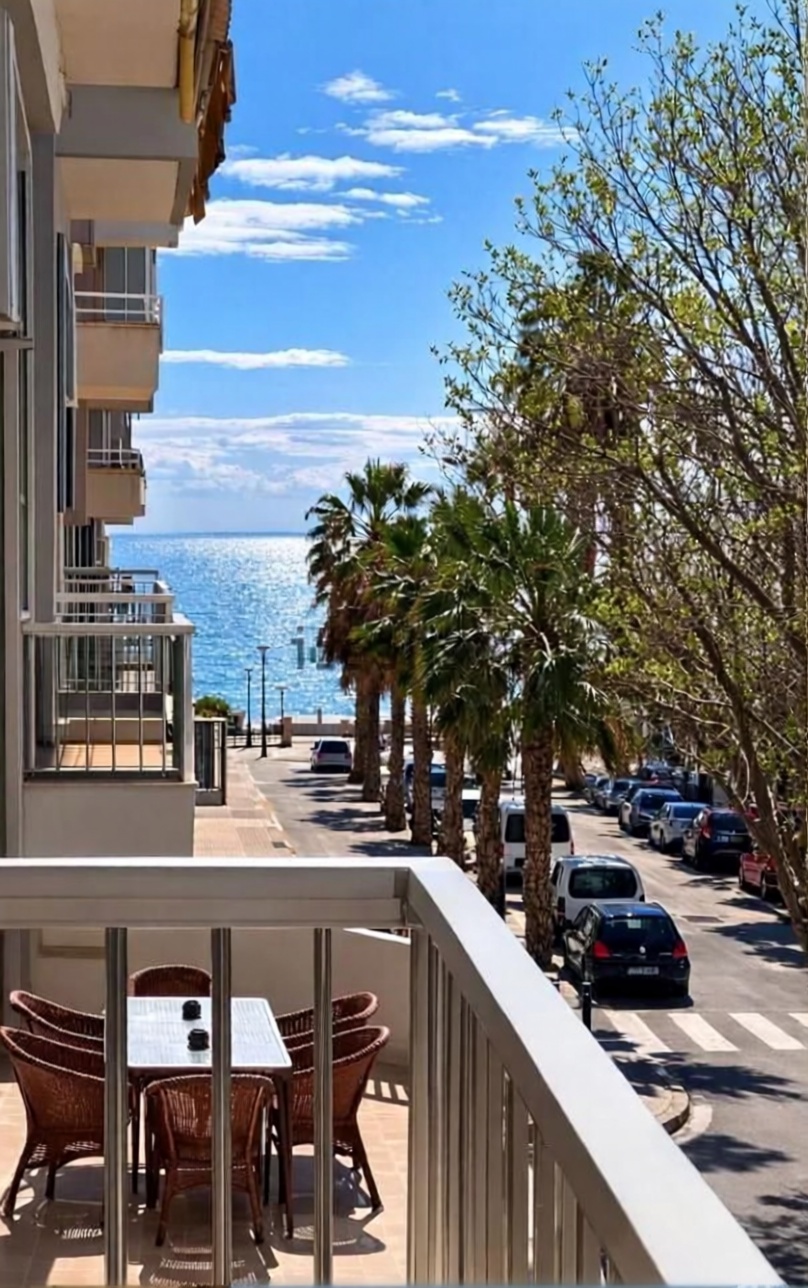
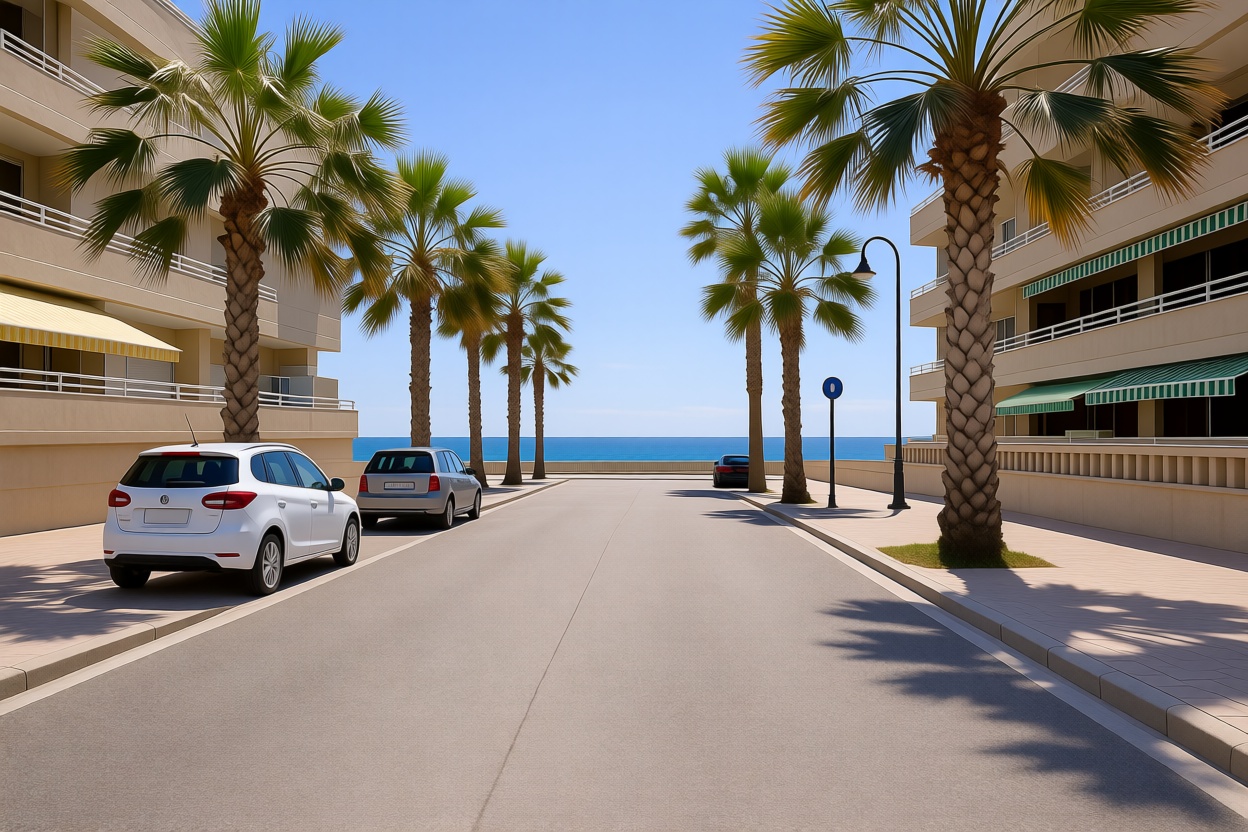
The seafront in Palma de Mallorca is characterized by a mix of residential and commercial areas, offering various housing typologies. Apartments and penthouses with stunning sea views are common, particularly along the Paseo Marítimo, a bustling promenade lined with restaurants and shops. The area near the marina is popular for its vibrant atmosphere and proximity to nautical activities, while quieter residential stretches offer a more serene living environment.
Palma de Mallorca's seafront properties provide a unique opportunity to enjoy the Mediterranean lifestyle, with direct access to the beach and the amenities of a dynamic city.