Guide of La Palma
Average price per m²
6.064€/m²
Based on 5 active listings in La Palma
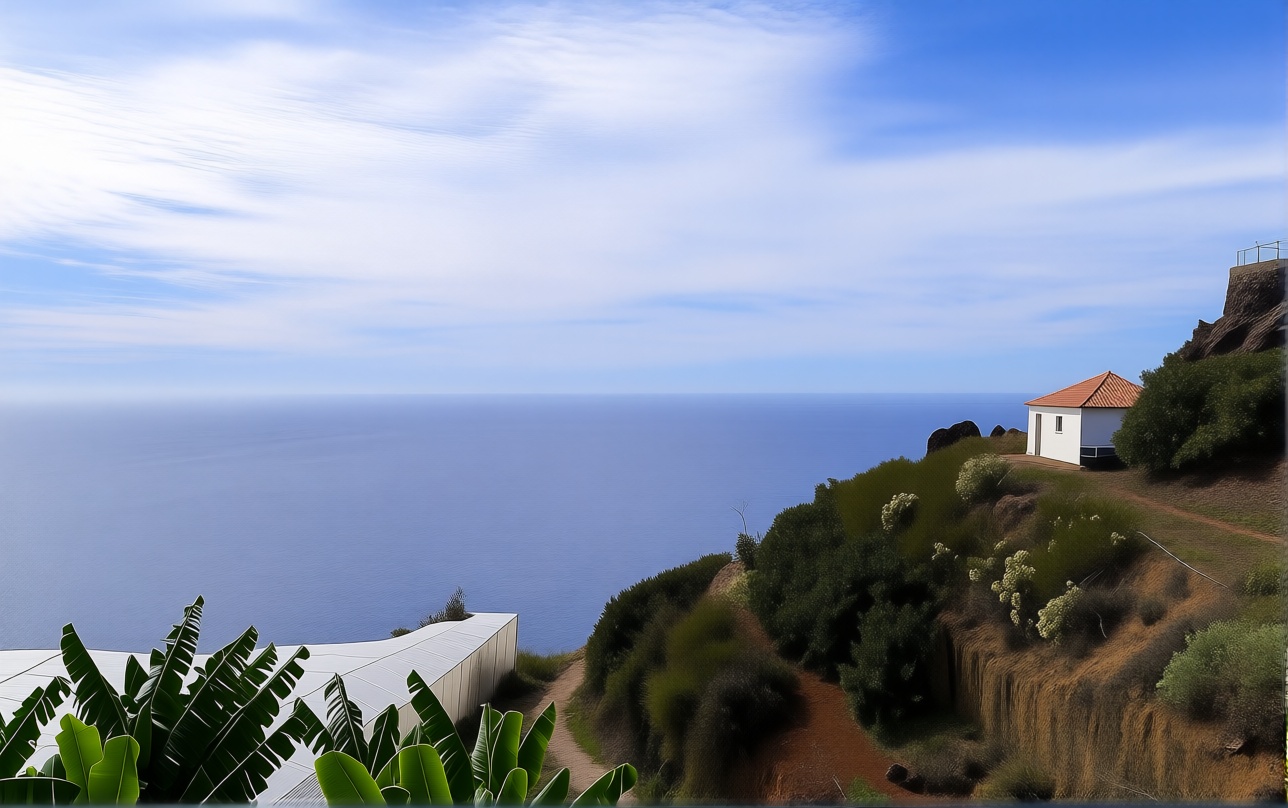
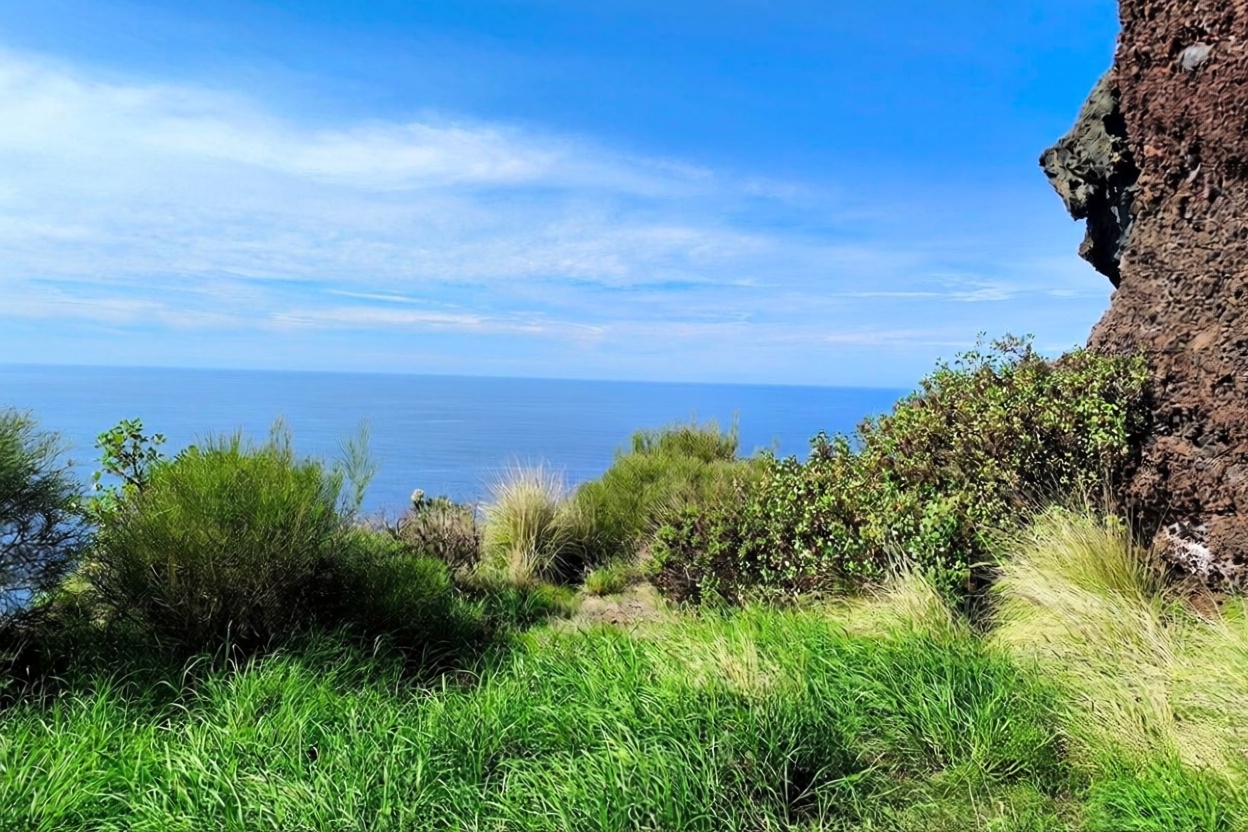
La Palma, part of the Canary Islands, is renowned for its lush landscapes and dramatic topography. Known as "La Isla Bonita," it offers a unique blend of natural beauty and cultural richness. The island is characterized by its volcanic terrain, dense forests, and clear skies, making it a prime location for stargazing. With a coastline dotted with black sand beaches and a rich maritime tradition, La Palma presents an attractive destination for those seeking a seafront home.
The beaches of La Palma
La Palma's coastline is defined by its unique black sand beaches, a result of its volcanic origin. Playa de Puerto Naos is one of the most popular beaches, offering a wide stretch of sand, a vibrant promenade, and facilities such as sunbeds and showers. It's a favorite spot for both locals and tourists, ideal for sunbathing and swimming.
Playa de Tazacorte, located near the town of the same name, is another highlight. Known for its calm waters and family-friendly atmosphere, it provides a picturesque setting with its surrounding cliffs and banana plantations. The beach is well-equipped with amenities, including restaurants and parking areas.
For those seeking a more secluded experience, Playa de Nogales offers a rugged and natural environment. Accessible via a steep path, it rewards visitors with dramatic views and a sense of tranquility. It's a perfect spot for those who appreciate nature in its raw form.
Living in La Palma: climate and year-round population
La Palma enjoys a mild subtropical climate, characterized by warm temperatures throughout the year. The island's weather is influenced by the trade winds, which bring moderate humidity and pleasant breezes. During the winter months, the island maintains a quieter atmosphere, with a smaller resident base that reflects a more local rhythm of life.
In contrast, the summer months see an influx of visitors, drawn by the island's natural beauty and outdoor activities. This seasonal change brings a lively atmosphere to the coastal areas, with increased activity in local markets and cultural events.
Water and nautical activities in La Palma
La Palma offers a variety of water-based activities, thanks to its rich maritime environment. The island's clear waters are perfect for diving and snorkeling, with several schools offering courses for beginners and advanced divers. The marine biodiversity here is impressive, with opportunities to explore underwater volcanic formations and vibrant marine life.
Sailing is another popular activity, with the Marina La Palma in Santa Cruz providing facilities for yachts and boats. The marina hosts several regattas and nautical events throughout the year, attracting sailing enthusiasts from around the world.
Cultural tourism: heritage and traditions of La Palma
La Palma is steeped in cultural heritage, with numerous sites of interest. The historic town of Santa Cruz de La Palma is home to well-preserved colonial architecture, including the Church of El Salvador, a fine example of Renaissance style. The town's cobbled streets and traditional houses offer a glimpse into the island's past.
The island is also known for its vibrant festivals, such as the Bajada de la Virgen de las Nieves, held every five years. This event is a celebration of the island's patron saint and features traditional music, dance, and processions, drawing visitors from across the Canary Islands.
Economy and business fabric of La Palma
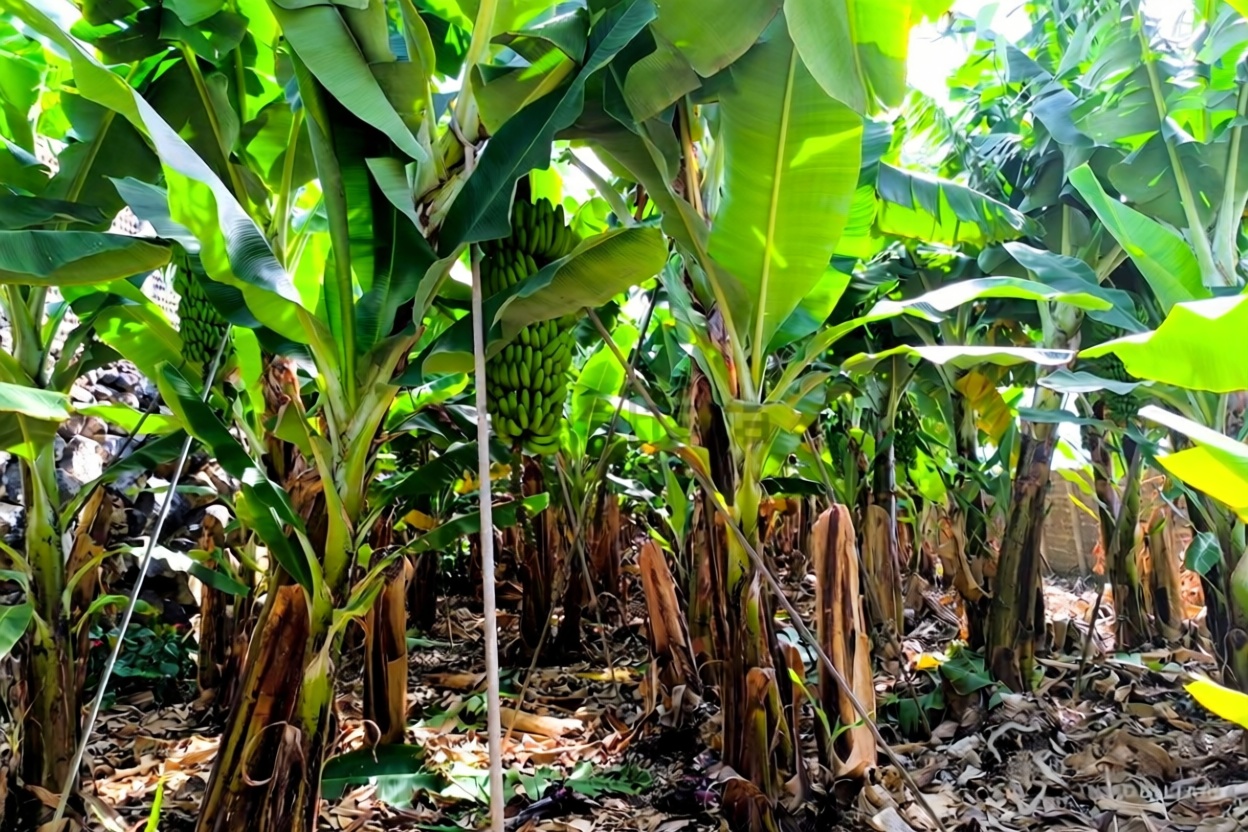
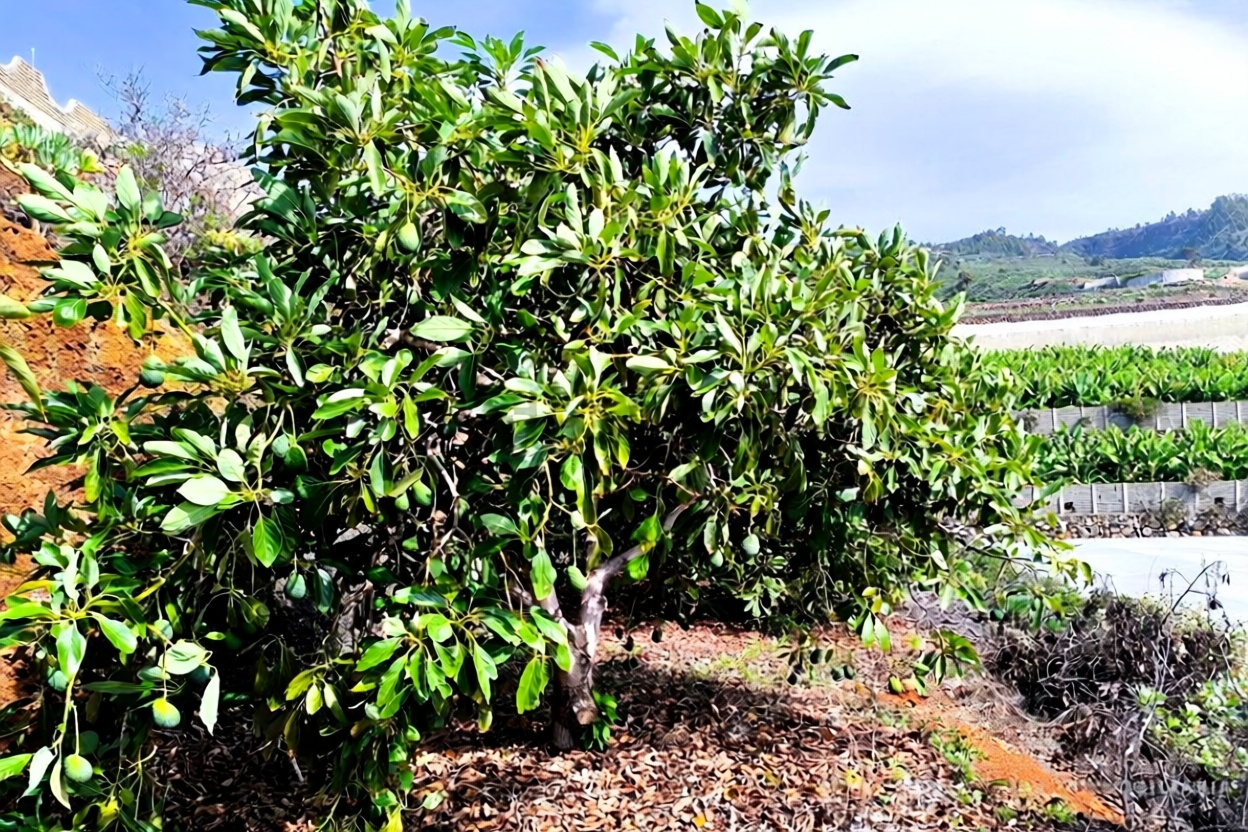
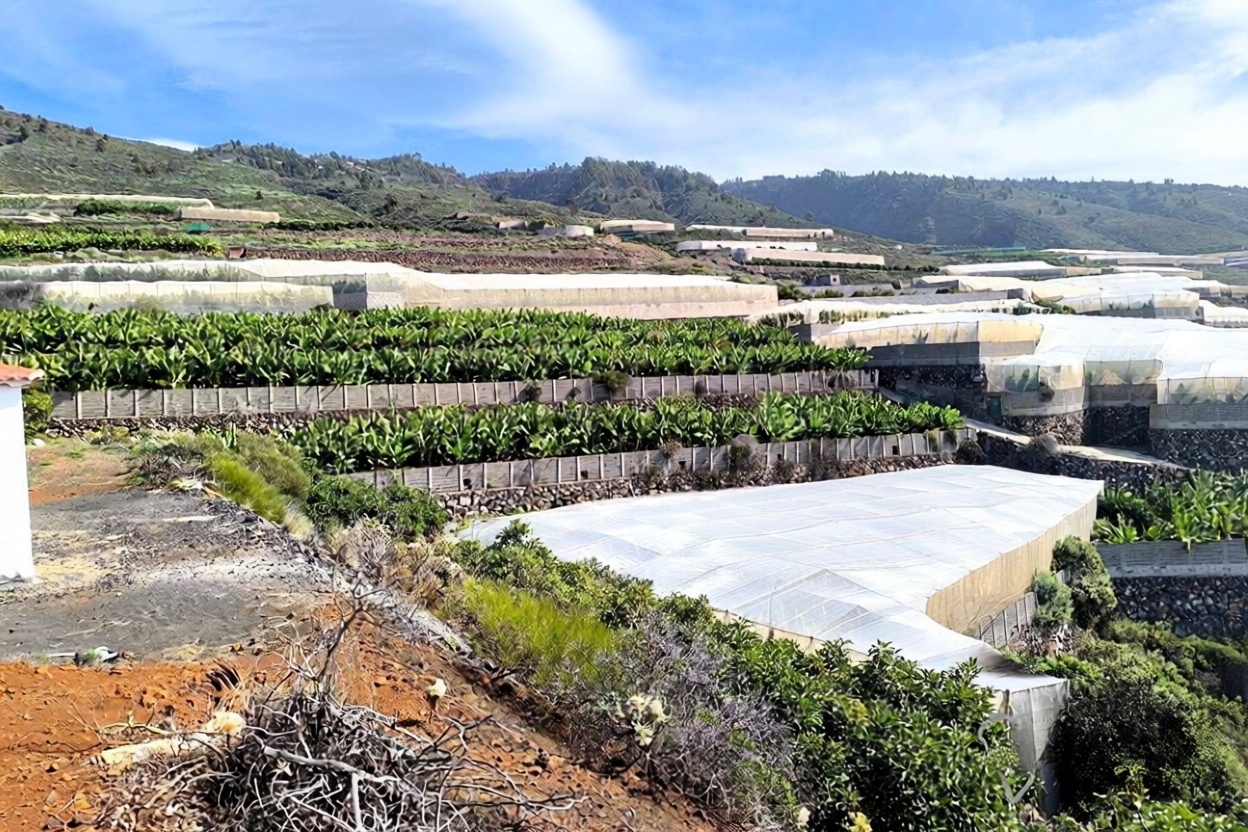
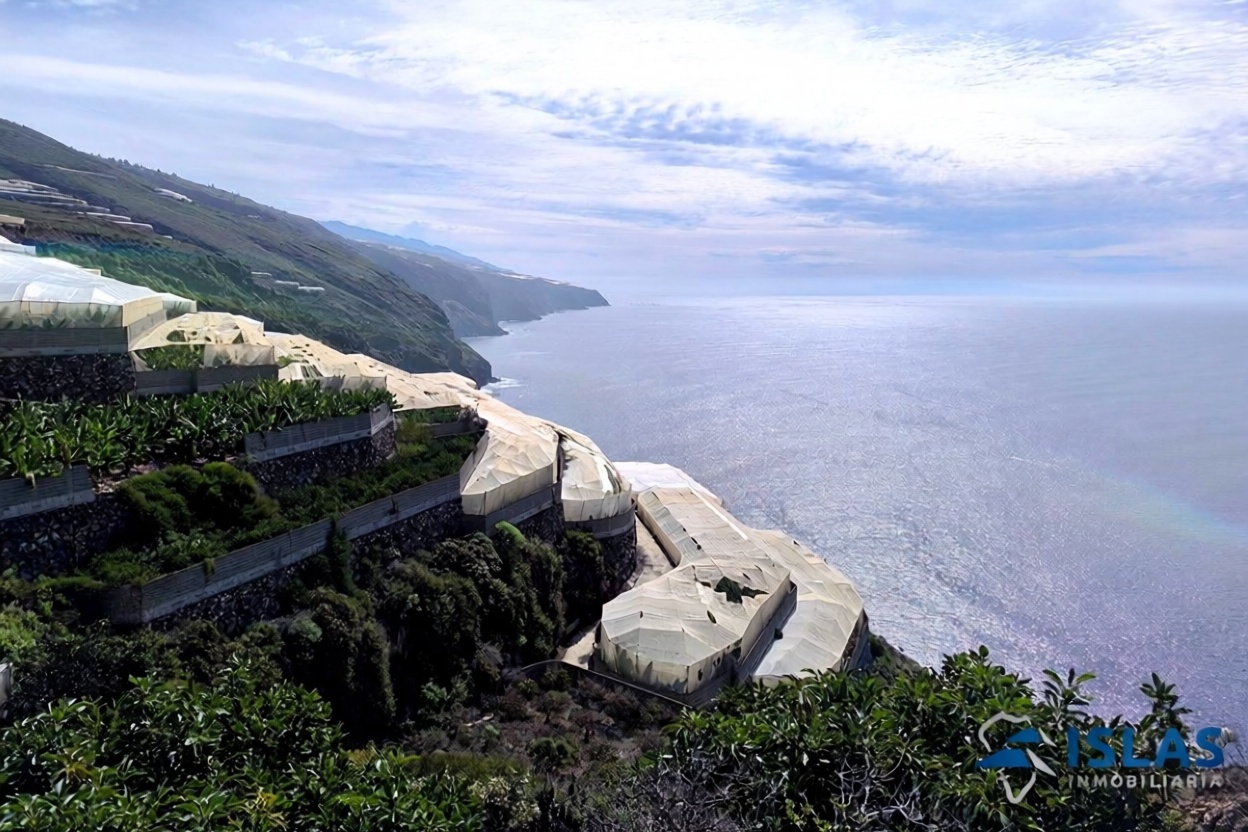
The economy of La Palma is diverse, with agriculture playing a significant role. The island is famous for its banana plantations, which are a major export product. Additionally, the cultivation of avocados and wine production are important sectors, contributing to the local economy.
Tourism is another key economic driver, with the island attracting visitors interested in its natural landscapes and cultural offerings. The hospitality industry, including hotels and guesthouses, supports a significant portion of the workforce.
Tourism in La Palma
La Palma attracts a variety of tourists, from nature enthusiasts to cultural explorers. The island's designation as a UNESCO Biosphere Reserve highlights its commitment to sustainable tourism, focusing on preserving its natural and cultural heritage.
Visitors are drawn to the island's hiking trails, particularly those in the Caldera de Taburiente National Park, which offers stunning views and diverse flora and fauna. The island's stargazing opportunities are also a major attraction, with several observatories and clear skies providing ideal conditions.
Gastronomy and local products
La Palma's gastronomy is a reflection of its agricultural heritage and maritime environment. Local dishes often feature fresh seafood, such as grilled fish and octopus. The island is also known for its mojo sauces, which accompany many traditional meals.
Wine production is a notable aspect of La Palma's culinary scene, with several vineyards producing distinctive wines from local grape varieties. The island's cheeses, particularly those made from goat's milk, are also highly regarded and often enjoyed with local honey.
Transport and services
La Palma is accessible via La Palma Airport, which connects the island with mainland Spain and other Canary Islands. The island's road network is well-developed, with the LP-1 and LP-2 highways facilitating travel around the island.
Public transport is available through a network of buses that connect major towns and attractions. Healthcare services are provided by the Hospital General de La Palma, located in Breña Alta, ensuring access to medical care for residents and visitors.
The seafront in La Palma
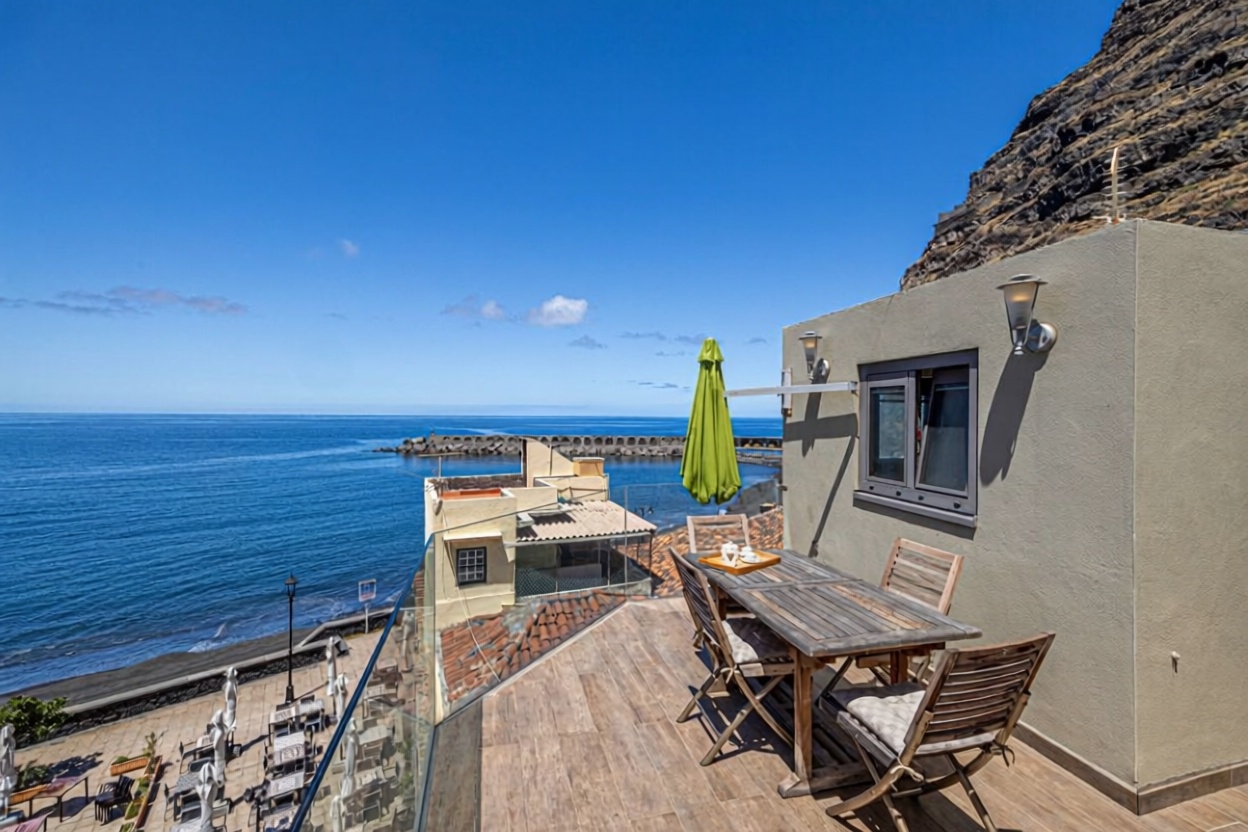
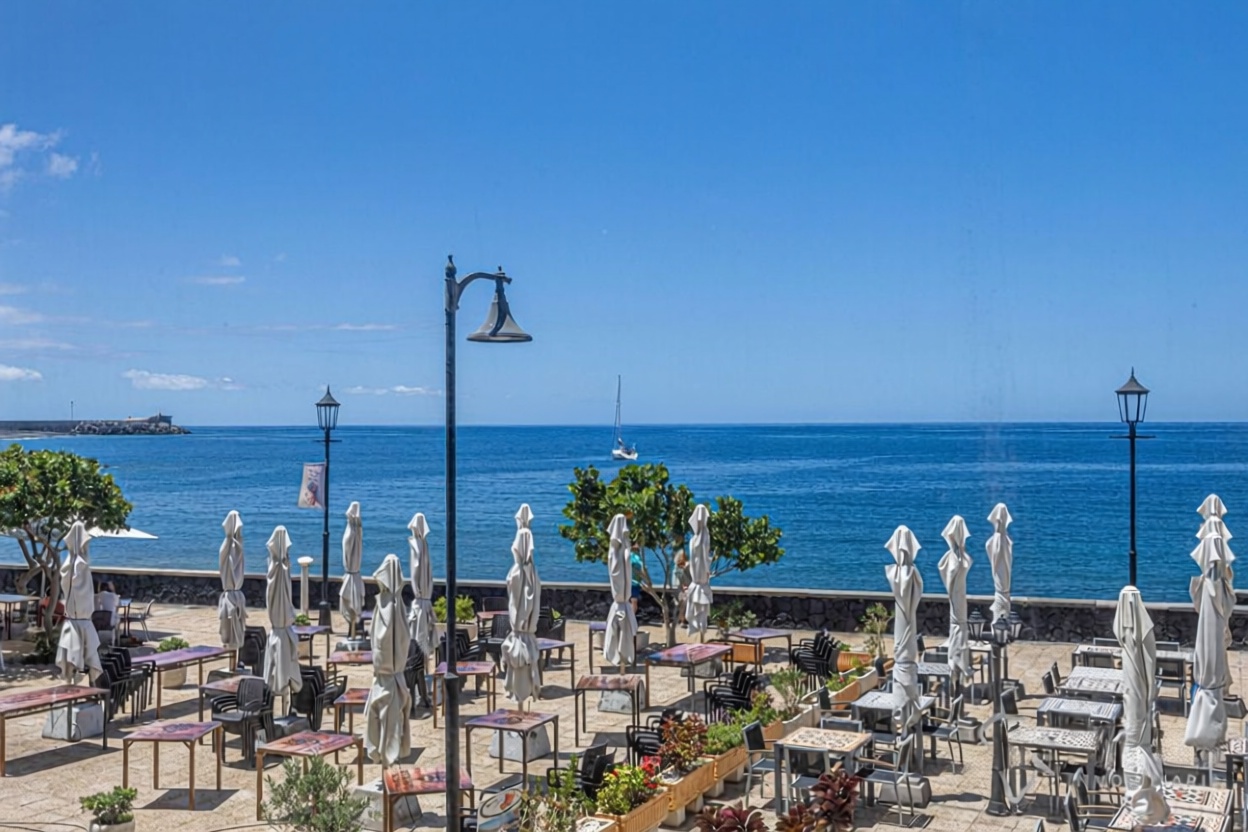
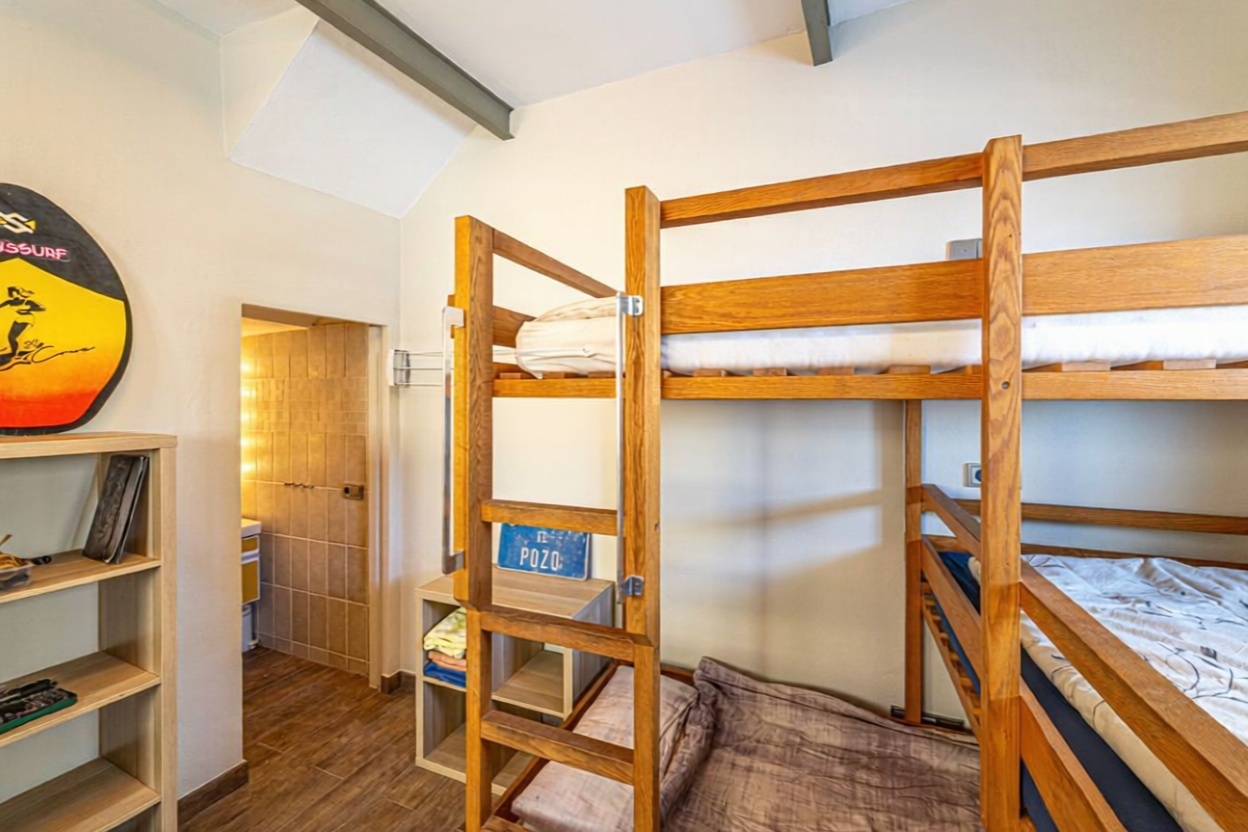
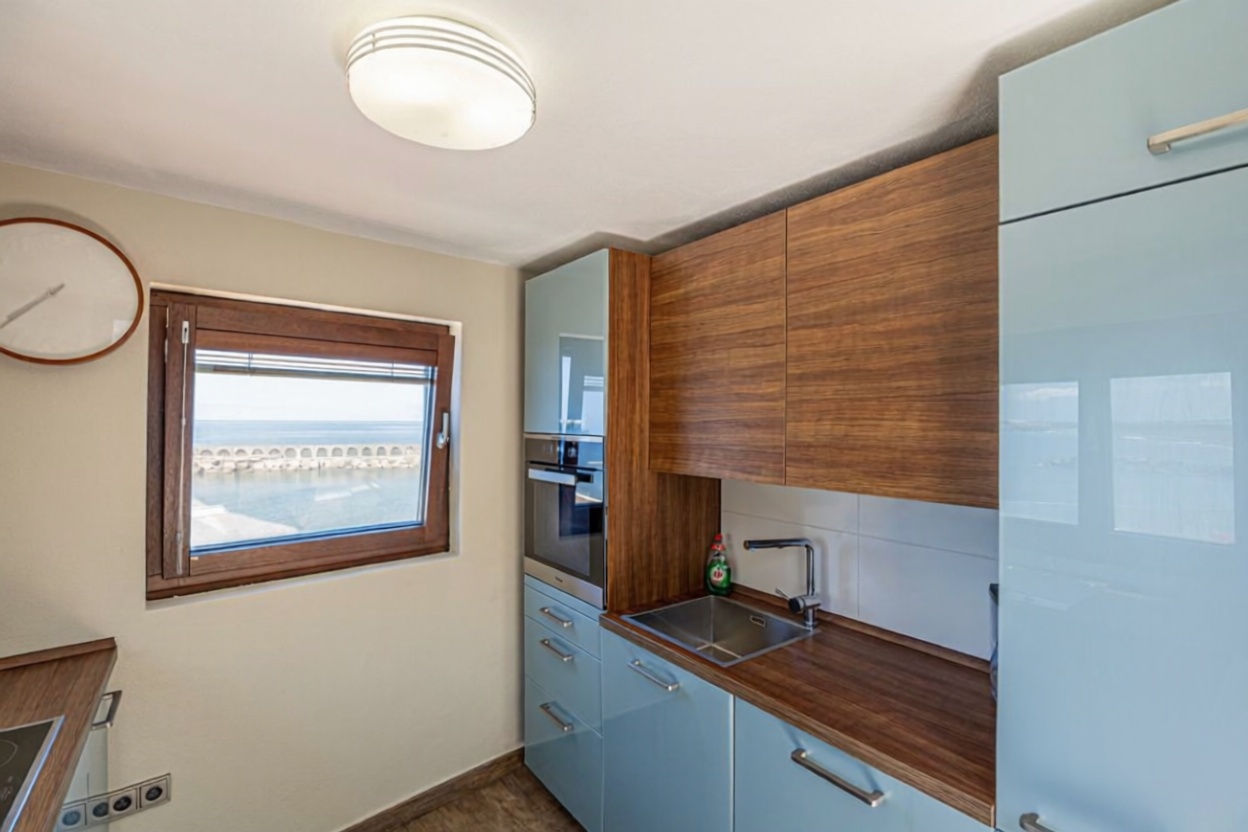
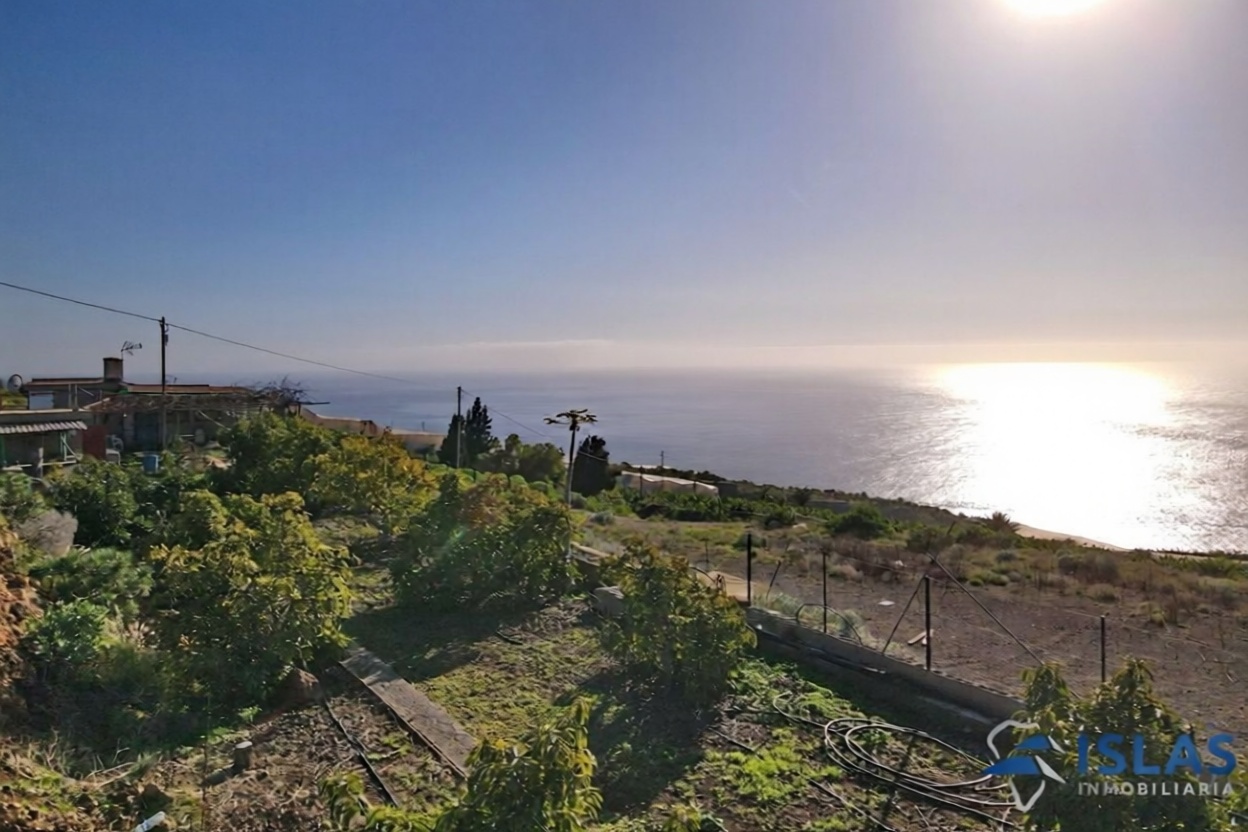
The seafront of La Palma offers a range of residential options, from modern apartments to traditional houses. In areas like Los Cancajos and Puerto Naos, seafront apartments provide stunning views of the Atlantic Ocean. These properties often feature amenities such as pools and direct beach access, appealing to those seeking a coastal lifestyle.
The urban fabric varies along the coast, with some areas offering bustling promenades lined with shops and cafes, while others provide a more tranquil setting, ideal for relaxation and enjoying the natural surroundings.
In conclusion, La Palma's unique combination of natural beauty, cultural richness, and diverse seafront living options make it an attractive destination for those seeking a home by the sea.