If you are looking for a second home by the sea without giving up the convenience of having a major city close by, the north and south of Barcelona offer you two very different worlds within roughly the same driving distance. Many people put them in the same category, but they have almost nothing in common. The Costa Brava and the Costa Dorada are two opposite ways of experiencing the Mediterranean, and making the right choice starts with understanding how they truly differ.
I have been working this coastline for 25 years, I live on it, and I will explain it to you the same way I would explain it to a buyer sitting in front of me: one is not better than the other. There is only the one that fits you.
Costa Brava: Rocks, Coves and Discretion
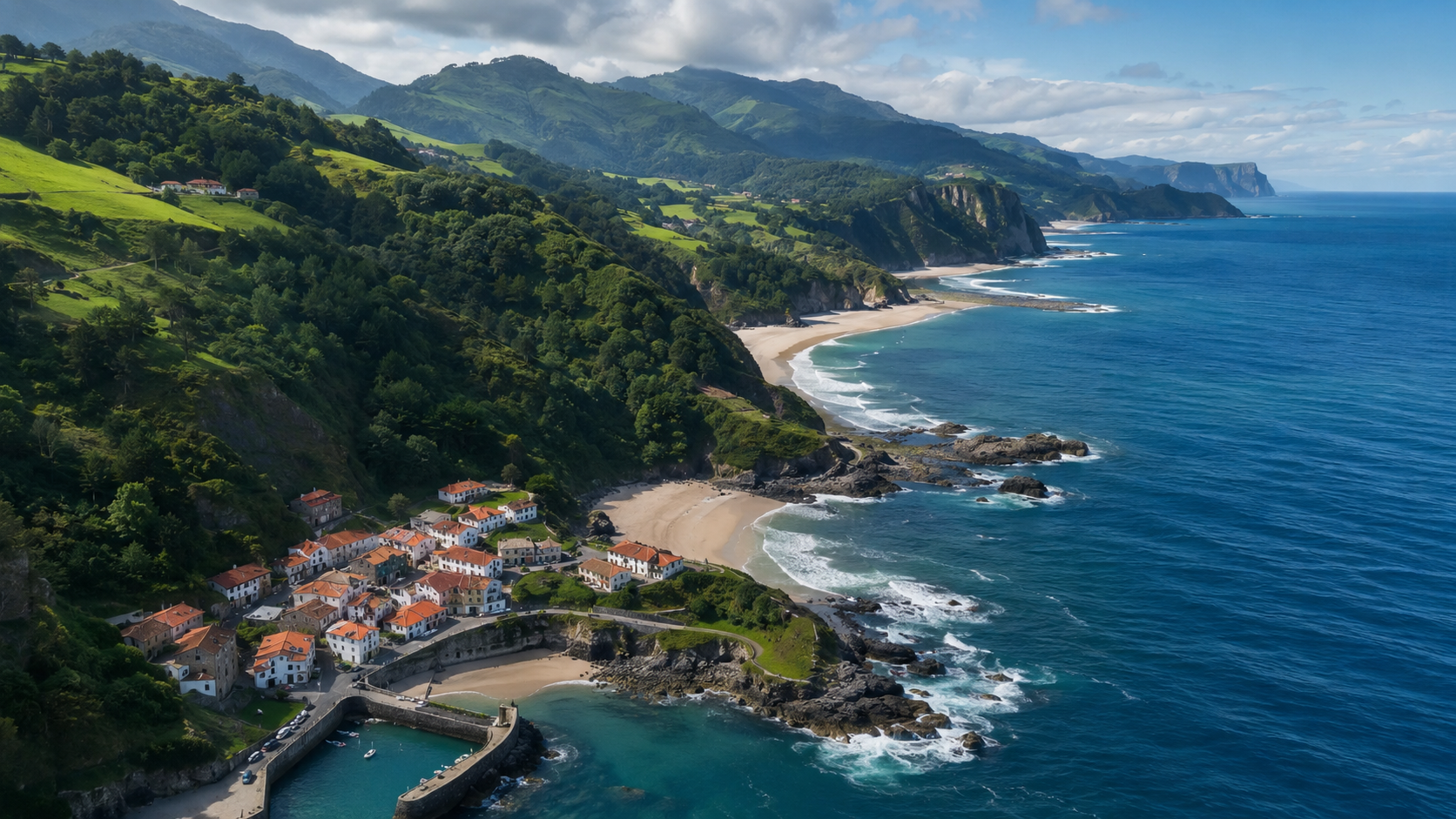
The Costa Brava, north of Barcelona in the province of Girona, is the classic Mediterranean postcard: cliffs, pine trees reaching down to the water, and crystal-clear coves set between the rocks. It is a dramatic, rugged landscape — the name says it all — and it is probably the most prestigious and discreet coastline in Catalonia.
Here, frontline seafront property carries a very strong sense of exclusivity. Places such as Begur, S'Agaró, Cadaqués, Llafranc and Tamariu are synonymous with a buyer who values beauty, privacy and a certain understated cachet. This is not the coast of noise and crowds; it is the coast of hidden corners with views, houses among pine trees above a cove, and restaurants where nobody knows who you are. For the executive who wants to truly switch off, and for whom discretion matters more than social life, the Costa Brava is hard to beat.
In return, there are two things you need to know. First, frontline property is scarce and expensive, precisely because of everything I have just described. Second, the terrain rules everything: many properties are built on rock and slopes, with access paths, steps and elevation changes, not flat promenades beside the sand. Girona airport is nearby, and Barcelona is roughly an hour and a half away, depending on the exact area.
Costa Dorada: Sand, Gastronomy and Proximity
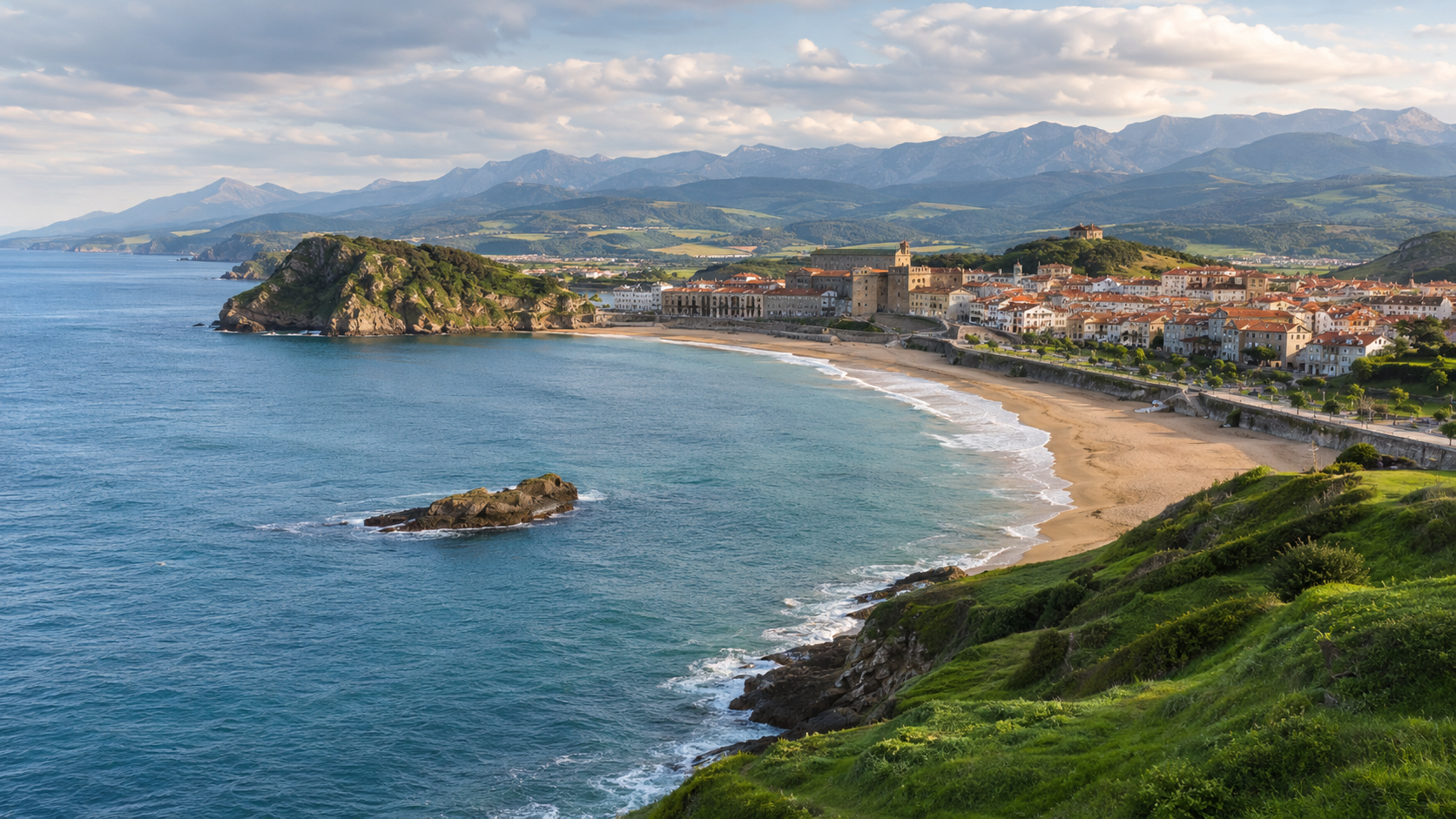
Heading south from Barcelona, into the province of Tarragona, the landscape changes completely. The Costa Dorada takes its name from its sand: long golden beaches with gentle slopes, the opposite of the rocky coves of the Costa Brava. It is a more open, easier coastline, designed for those who want to step onto the sand and enjoy calm waters. It fits especially well with the idea of a family second home.
This is the coast I know best, so I will be precise, because it is not one single uniform area either. Salou, heavily focused on high-volume tourism, is not the same as Cambrils, which plays in a different league: the gastronomic capital of the area, with a fishing port, Michelin-starred restaurants and a refined quality of life that many outsiders do not expect. Then there are Altafulla and Tamarit, with their medieval old town and castle overlooking the sea, among the most sophisticated and peaceful areas in all of Catalonia. If you are looking for tasteful frontline seafront living without overcrowding, you can find it here.
The Costa Dorada also adds two major advantages for your profile. First, proximity: Barcelona is about an hour away, and Reus airport is right next door, with connections that are very convenient for international buyers. Second, the surroundings: Tarragona, with its Roman heritage declared a UNESCO World Heritage Site, gives the area a cultural depth that very few beach destinations can offer. As a general reference, all else being equal, frontline property on the Costa Dorada usually offers a better balance between quality and price than the Costa Brava, without giving up quality.
Costa Brava or Costa Dorada: How to Decide
In practice, the choice comes down to a few honest questions about how you want to live by the sea:
Rock or sand? If your image of the sea is a cove between pine trees and deep blue water over stone, then it is the Costa Brava. If it is walking barefoot along a long beach of fine sand, then it is the Costa Dorada.
Discretion or life? The Costa Brava is about retreat, privacy and quiet exclusivity. The Costa Dorada offers more street life, more year-round services and a more open, family-friendly atmosphere.
How much does proximity matter? Both are within reach of Barcelona, but the Costa Dorada, especially from Tarragona upwards, is the option for someone who wants to be able to drive down on a Friday afternoon without it feeling like a trip.
What role does budget play? Frontline Costa Brava is generally a higher-ticket market. The Costa Dorada gives you high-quality frontline property with a slightly more comfortable price margin.
How I See It After 25 Years
When buyers ask me why I have such a strong preference for the Costa Dorada, I tell them the truth: because I live there, I know it in detail, and I believe it is undervalued by those who only associate it with Salou. A well-chosen property on the Costa Dorada — Cambrils, Altafulla, certain stretches of the Tarragona coastline — offers extremely high-level frontline seafront living, some of the best gastronomy in Spain and a location just one hour from a major European city. That is much rarer than it seems.
That said, if what you are looking for is dramatic beauty and a secluded corner, the Costa Brava has no rival, and it would be dishonest to sell you the Costa Dorada if it is not what you truly want. My job is not to push you towards one coastline. It is to help you recognise which one is yours.
At Addurno, we work exclusively with frontline seafront properties on both coasts, with real product in both areas. If you know whether you prefer the north or the south of Barcelona but are not yet sure about the exact location, that is where I can save you months of searching: I know exactly what is available, what it is worth and what suits you in each stretch of coastline.
Jose Luis Castilla