Cleaning of the holiday apartment
Cleaning of the holiday apartment
How to clean your rental apartment
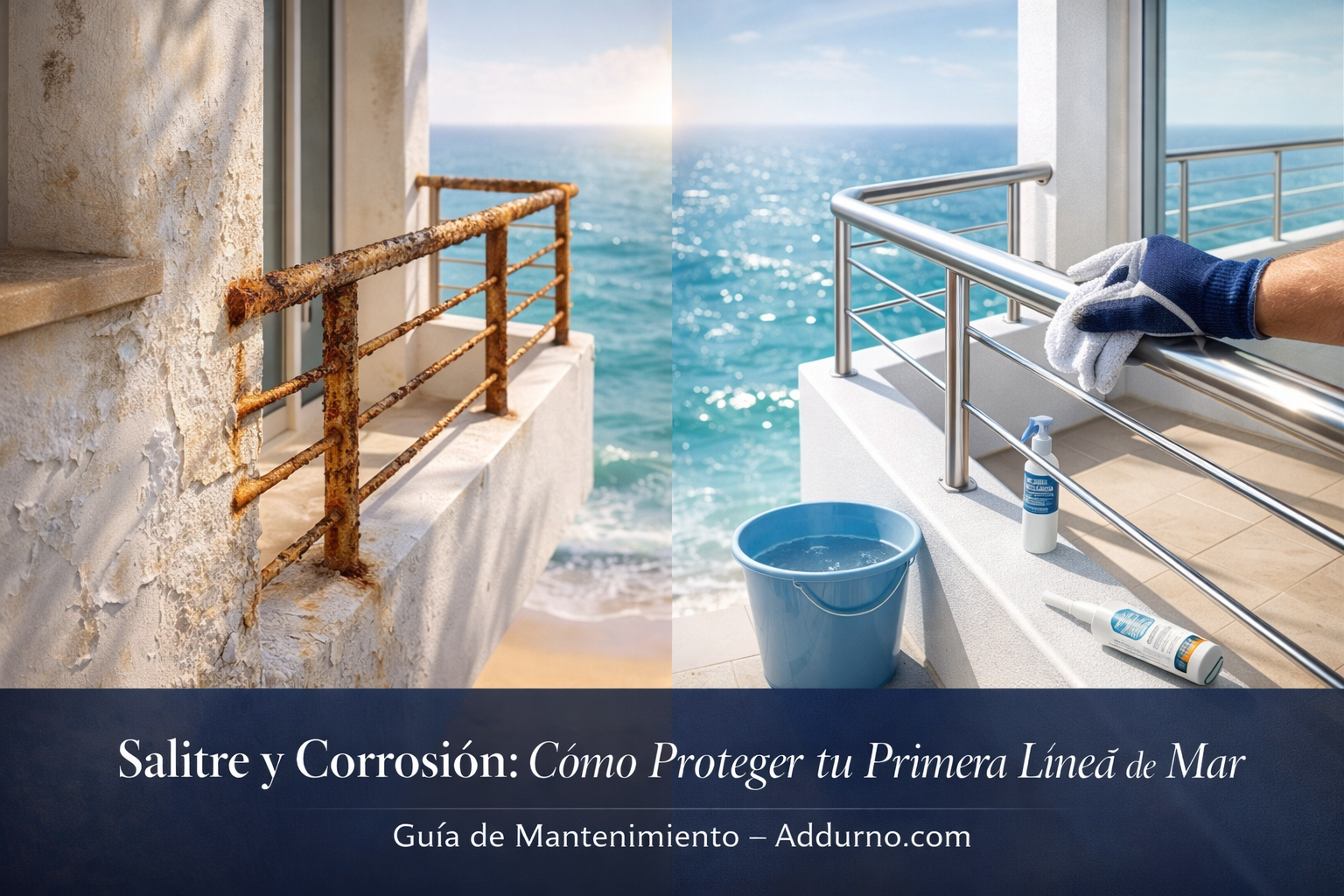
< h2 > Maintenance and cleaning of your Holiday Rental Apartment on the Beach: The Definitive Guide for Owners < / h2 > < p > < i > Published in Addurno.com · February 2026 < / i > < / p > < p > < strong > Your apartment in front of the sea is much more than a building: it is an income-generating machine that works with the accuracy of a Swiss watch... or becomes a well of bad reviews and unexpected repairs. The difference between one stage and another is called maintenance. < / strong > < / p > < p > If you own a holiday apartment in front of the beach or near the sea, you know that the coastal environment is relentless. The combination of salitre, sand, humidity, intense sun and high guest rotation subjects your property to a wear that has no comparison with a floor inside. Without a well-structured maintenance system, what today is a 5-star jewel in Airbnb can become an apartment with disconchments, odors and a free-fall rating. < / p > < p > This guide covers everything you need to know to keep your investment in perfect condition, maximize the valuations and drastically reduce the incidents that ruin seasons and budgets. < / p > < h2 > Why a beach apartment requires a different maintenance < / h2 > < p > > A tourist apartment on the coast does not stay the same as one in Madrid or Barcelona interior. The owners who apply the same criteria discover, season after season, that their repair costs are fired and their reviews are down. < / p > < p > These are the differential factors of the coastal environment: < / p > < p > < strong > The sea-salitre and breeze. < / strong > The salt microparticles suspended in the air penetrate all surfaces. They run metals, crystallize in walls, damage silicone joints, attack the electronic plates of air conditioning and degrade paints and varnishes. At less than 500 meters from the sea, the impact is constant and cumulative. < / p > < p > < strong > Sand. < / strong > It is filtered by slices of windows and doors, accumulates in drains, grates crystals if it is cleaned dry, obstructs household filters and creates an abrasive layer on any surface that is not regularly cleaned. < / p > < p > < strong > The relative high humidity. < / strong > On the Mediterranean coast, the average humidity exceeds 65% for much of the year. This promotes the appearance of mold in joints, cabinets, mattresses and textiles, generating odors that no environmentator can mask permanently. < / p > < p > < strong > Intense solar radiation. < / strong > The Mediterranean sun hours (more than 2,800 a year in many areas) degrade textiles, discolor furniture, resecute silicone joints and accelerate the aging of blinds and awnings. < / p > < p > < strong > High guest rotation. < / strong > A well-occupied tourist apartment can receive 40, 60 or more guest groups per year. Each rotation involves wear of locks, taps, appliances, bedding and furniture. Guests do not care for the apartment as if it were their own, and this is a fact that you must incorporate into your planning. < / p > < h2 > Cleaning between guests: the protocol that defines your reputation < / h2 > < p > Cleaning between stays is, without exaggeration, the number one factor that determines your assessments on platforms such as Airbnb, Booking or Vrbo. A 4.5 in cleaning versus a 4.9 can mean the difference between a 55% occupation and an 85% occupation. < / p > < h3 > Establish a protocol with fixed order < / h3 > < p > The key to not forgetting anything and optimizing time is to always follow the same order. An improvised protocol generates errors. One systematic generates consistency. < / p > < p > < strong > Step 1: Immediate ventilation. < / strong > Just enter, open all windows and doors to completely renew the air. At least 15 minutes. In beach apartments, this also helps to detect residual odors (tobacco, strong kitchen, humidity) that require specific treatment. < / p > < p > < strong > Step 2: Textile removal. < / strong > Remove all bedding, towels, bathroom carpets and kitchen rags. Do not accumulate them on the floor; put them directly in laundry bags. This prevents cross-contamination and saves time. Before cleaning, go through the apartment looking: objects forgotten by the guests, damage to furniture or walls, non-working appliances, water-losing tanks, molten bulbs, stuck blinds. Documents any malfunction with photos and report it immediately. < / p > < p > < strong > Step 4: In-depth kitchen. < / strong > It is the area that the guests judge most after the bathroom. The protocol should include: emptying and complete cleaning of the refrigerator (inside and rubber joints), internal cleaning of the microwave and oven, degrating of the ceramic or fire, cleaning of the bell and filters, review of the inside of drawers and cabinets (crumbs, spills, remains), cleaning of small appliances (coffee maker, toaster, mixer), cleaning of all the dishes and cutlery (even the one that seems clean), disinfection of the countertops, sink and taps, emptying of waste cubes and placing of new bags, and replacement of basic products (kitchen, bong / bong >), < bong >. The bathroom is the stay where the cleaning score goes up or down. Special attention is paid to: complete disinfection of the toilet (inside, outside, hinges, base), cleaning of shower or bathtub (pump, joints, drain - remove hairs and lime), taps (removes traces of lime with specific product), mirrors without marks, sink and bathroom furniture, floor (special attention to the floor joints, where the coastal humidity generates blending with ease), replacements of amenities (gel, shampoo, hand soap), new toilet paper (at least a complete, ideally folded tip), clean and bent towels, < 6 / clamp >. Make your beds clean and well-ironed. Check under the beds and inside of closets and drawers (forgotten objects, accumulated dust). Check the state of pillows and cushions. < / p > < p > < strong > Step 7: Salon and common areas. < / strong > Dust cleaning on all surfaces (always from top to bottom so that the dust falls and is collected at the end), cleaning of crystals and mirrors, sofa and cushions (shake, asphyte, check spots), remote controls (clean and check batteries), switches and plugs (clean with wet cloth - are frequent contact points that accumulate fat). < / p > < strong > At the end. Aspirate or sweep first (special attention to the sand accumulated in corners and under furniture), then wash with disinfectant product. In beach apartments, the sand is accumulated in surprising amounts in slices, under sofas and in rodapiés. < / p > < p > < strong > Step 9: Terrace and exterior. < / strong > Sand and dust, clean table and outside chairs (the salitre leaves a sticky film), check the state of peas, clean railing crystals if there are, and check the drainage of the terrace (the sand often obstructs it). < / p > < p > < strong > Step 10: Final review. < / strong > Walk the apartment like you're a guest who just arrived. Get in the door, look around. Does it smell good? Is everything in place? Is the lighting right? Is the temperature nice? Turn on the air conditioning 30 minutes before arrival in summer. Leave a light on in the living room to make the first impression warm. < / p > < h3 > Reference times < / h3 > < p > For a 60-80 m ² apartment with 2 bedrooms and 1 bathroom, a complete professional cleaning between guests should take between 2 and 3 hours. If you do it in less than 90 minutes, you're probably leaving things undone. If it takes more than 3.5 hours, you need to optimize the protocol. < / p > < h3 > The cleaning fee: whether or not to include it < / h3 > < p > The decision to charge a separate cleaning fee or to include it in the price per night depends on your business strategy. What is not negotiable is the cleaning standard. If you charge €40-60 of cleaning fee, the guest hopes to find the apartment impeccable. If you include it in the price, they also expect it, they just don't see it broken down. In any case, skipping in cleaning is the worst possible investment in holiday rental. < / p > < h2 > Preventive maintenance: the calendar that saves you thousands of euros < / h2 > < p > Reactive maintenance (waiting for something to break to fix it) is the most expensive error in managing tourist apartments. A breakdown of the air conditioning in the middle of August not only implies the cost of urgent repair (with weekend and holiday surcharges), but dissatisfied guests, possible cancellations and negative reviews that take months to compensate. < / p > < h3 > Each guest change < / h3 > < p > In addition to cleaning, take advantage of each rotation to verify: light and light operation, tap status (drip, pressure), correct lock operation, blinds and windows, air conditioning (turn on and check that it cools or heats properly), and that the wifi works with appropriate speed. < / p > < h3 > Monthly < / h3 > < p > < strong > Air conditioning filters. < / strong > In a beach apartment, the split filters are dirty twice as fast as inside. Clean them monthly during the use season. It is as simple as opening the front cover, removing the filters, passing them through water and letting them dry before replacing them. < / p > < p > < strong > Drains. < / strong > Pour hot water with a bleach jet or an enzyme product through all the drains (kitchen, bathrooms, terrace). In beach apartments, sand and salt accelerate the accumulation of waste in the pipes. < / p > < p > < strong > Silicone joints. < / strong > Visually check the shower, bath, sink and counter joints. Black or mold joints are not cleaned: they are replaced. It is a work of 30 minutes with a cost of materials less than 10 €, but the visual (and sanitary) impact is enormous. < / p > < h3 > Trimally < / h3 > < p > < strong > Full plumbing. < / strong > Open and close all the passing keys, check that there are no hidden drips (under the sink, behind the toilet, heater), verify the water pressure, and check that the electric heater or thermo works properly. < / p > < strong > Herrages and mechanisms, and sockets, and doors, and windows > In the coastal environment, the salitre resecca and blocks the metal mechanisms much faster. A silicone spray or WD-40 applied on a quarterly basis extends the life of these elements for several years. < / p > < p > < strong > Appliances. < / strong > Clean the filter of the washing machine, that of the dryer if there is, and check the joints of the dishwasher door. Discalcify the coffee maker and the kettle. < / p > < p > < strong > Plagas. < / strong > Apply preventive treatment against cockroaches, ants and mosquitoes. In coastal areas, moisture and soft temperatures favour the presence of insects during much of the year. A quarterly professional treatment is a minimum investment compared to the impact of a guest finding a cockroach. < / p > < h3 > Semially < / h3 > < p > < strong > Air conditioning: professional review. < / strong > Twice a year (before and at the close of the summer), a technician must review the cooling gas, clean the inside and outside units in depth, check the status of the electronic plates and check that the equipment is performing properly. In the front line of the beach, the outer unit suffers especially: the salitre corrodes the fins of the condenser, the sand obstructs the fan and the humidity attacks the electrical connections. If the apartment is closed several months a year, it covers the outer unit with a breathable protective cover to protect it from the saline environment. < / p > < p > < strong > Painting and walls. < / strong > Inspects all walls and ceilings looking for: moisture stains (especially in bathrooms and kitchens), flattened or blistered in the paint (frequent in facades and terraces by the action of the salitre), white efflorescences (crystallization of salts on the surface), and bags and use marks. It reproduces or reproduces what is necessary. In a high-rotation apartment, once a year painting the most punished areas (corridors, entrances) is almost mandatory. < / p > < p > < strong > Deep textiles. < / strong > Send to professional or clean laundry: curtains, sofa covers, decorative cushions, carpets, mattress protectors, pillows. These textiles absorb moisture, odors and mites that routine cleaning does not eliminate. < / p > < p > < strong > Pickles. < / strong > Fold the mattresses (or broken head-feet into mattresses that do not turn). Check that the waterproof protector continues to perform its function. A stained or odour mattress is a recurring complaint that destroys valuations. < / p > < h3 > Annually (ideally in low season) < / h3 > < p > < strong > Electrical review. < / strong > An electrician must check the electric, differential, plug and wiring frame. In old coastal apartments, the combination of moisture and salitre can damage electrical connections and create short circuit risks. < / p > < p > < strong > Water heater. < / strong > Magnesium anode review (if it is an electric thermo), sediment purge, thermostat check. < / p > < strong > Windows and outside carpentry. < / strong > Check the perimetral sealing of windows, the state of the watertight joints, the operation of the opening and closing mechanisms. The first-line aluminium carpenters are oxidized; PVC carpenters are better resistant but their gums are resected with the sun. Replacing damaged joints and mocking improves the thermal and acoustic insulation. < / p > < p > < strong > Furniture. < / strong > Evaluates the status of each furniture, chair, table and complement. The accelerated wear of a beach tourist apartment (sand at the foot of the chairs, moisture in the drawers, direct sun decolorating upholstered) requires partial renovations more often than a floor of usual use. < / p > < strong > Fachada and terrace. < / strong > If you are the owner or have the ability to act, check the state of the outer paint, the metal rails (search for oxide points), the terrace tiles (joints, loose pieces), and the state of awnings and parasol elements. < / p > < h2 > The invisible enemy: the humidity in closed beach apartments < / h2 > < p > One of the most serious and least understood problems in coastal apartments is what happens when closed for weeks or months. Without ventilation, the environmental humidity is trapped inside and generates a perfect ecosystem for mold, bad odors and material deterioration. < / p > < h3 > What happens in a closed beach apartment < / h3 > < p > The relative humidity of the Mediterranean coast ranges from 60% to 85% according to the station. In a closed space without ventilation, this humidity is condensed on the colder surfaces (interior walls, inside cabinets, back of furniture attached to the wall) and generates mold within weeks. Closed cabinets are particularly vulnerable: clothing, sheets and stored textiles absorb moisture and develop closed odors that are very difficult to remove. < / p > < h3 > How to prevent it < / h3 > < p > < strong > Electric dehumidifier with automatic emptying. < / strong > It is the most cost-effective investment for a beach apartment that is closed between seasons. The models with continuous drainage tank are connected to a drain and operate autonomously, keeping the inner humidity below 60%. The electrical consumption is modest (200-400W) compared to the cost of repairing moisture damage. < / p > < p > < strong > Chemical moisture absorbents. < / strong > Calcium chloride boxes (type "Rubson" or similar) are a useful complement to specific cabinets and spaces, but do not replace dehumidifier in an entire apartment. < / p > < p > < strong > programmed ventilation. < / strong > If you have access to the apartment or you have someone you can trust to do it, program weekly vents of at least an hour. Open windows on dry days (not when there is a time or a strong lift, which provides more saline humidity) renews the air and balance the inner humidity. < / p > < p > < strong > Do not stick furniture to the outer walls. < / strong > Always leave a space of 3-5 cm between the back of the furniture and the wall. This allows air circulation and avoids the condensation that generates hidden mold. < / p > < p > < strong > Leave the cabinets open. < / strong > When the apartment is empty, it leaves the cabinet doors slightly open to facilitate internal ventilation. < / p > < h2 > Materials and products: what works in a beach apartment < / h2 > < p > Not all cleaning products and all materials are suitable for the coastal environment. Choose well saves money and long-term effort. < / p > < h3 > Recommended cleaning products < / h3 > < p > < strong > For ceramic or gemstone soils: < / strong > neutral or slightly acid product (diluted vinegar type or specific gemstone cleaner). Avoid the usual concentrated bleach because it damages the joints over time. < / p > < p > < strong > To remove lime and salitre in taps and bulkheads: < / strong > specific antical product or white vinegar. Apply, let act 5-10 minutes, and remove with wet cloth. The lime of the coast accumulates faster by the hardness of the water. < / p > < p > < strong > For stainless steel and metal surfaces: < / strong > specific cleaner or a water mix with a few drops of dishwasher. Always dry after cleaning to avoid water marks that crystallize with environmental salt. < / p > < p > < strong > For crystals: < / strong > professional cleaning or the classic mixture of water with vinegar and a few drops of dishwasher. In beach apartments, the crystals are twice as quickly dirty by the salt film that deposits the breeze. < / p > < p > < strong > For negro tiles joints: < / strong > bicarbonate mixture with oxygen water, applied with an old toothbrush. Let it act 15 minutes and clear. If the joints are very damaged, it is more efficient to reapply the milkshake than to try to clean the irrecoverable. < / p > < p > < strong > For persistent bad odors: < / strong > the sodium bicarbonate sprinkled on mattresses and upholstery (let act 30 minutes and aspire) neutralizes odors without providing artificial fragrances. For odour drains, the combination of bicarbonate + vinegar + hot water is surprisingly effective. < / p > < h3 > Materials that better resist the coastal environment < / h3 > < p > If you are equipping or renovating your beach apartment, prioritize: < / p > < p > < strong > stainless steel taps AISI 316 < / strong > instead of conventional chrome. The initial investment is greater, but the resistance to the salt is incomparably higher. < / p > < p > < strong > Stainless steel or zamak < / strong > flakes and hinges with anti-corrosion treatment. < / p > < strong > Outdoor furniture in treated aluminium, synthetic resin or teak. < / strong > Avoid forged iron (is oxidized) and untreated wood (is degrade). < / p > < strong > PVC or lacquered blinds < / strong > in the form of < deep / deep-shaped wood >. The 100% cotton fabrics absorb moisture and develop mold quickly. < / p > < p > < strong > Silicate or siloxane < / strong > breathable paints for facades and outside areas. They allow the moisture to come out of the wall without creating blisters, unlike conventional plastic paints that catch the moisture and generate unconches. < / p > < h2 > Cleaning management: do you, your own employee or outside company? < / h2 > < p > Each option has advantages and disadvantages. The choice depends on your proximity to the apartment, the volume of rotations and your budget. < / p > < h3 > Cleaning by the owner < / h3 > < p > < strong > Advantages: < / strong > full quality control, cost zero in labour, direct inspection of the apartment in each rotation. < / p > < strong > working area, < hong > working space > working space < + working space > working space < + working space < working space > working space > working space < working space > working space > working space < working space > working space < working space > working space > working space > working space > working space < working space > working space < working space > working space > working space < working space > working space > working space > working space < working space > working space > working space > working space < working space > working space > working space > working space < working space > working space > working space > working space < working space > working space > working space < working space > working space > working space > working space > working space < working space > working space > working space < working space < working space > working space < working space < working space < working space > working space > working Consistency is more important than punctual perfection. A well-designed checklist eliminates the dependence of the individual criterion and ensures that nothing is forgotten. < / p > < h2 > Details that mark the 5 stars < / h2 > < p > Beyond cleaning and technical maintenance, there are small details that increase the guest experience and are directly translated into better valuations. < / p > < p > < strong > The smell when entering. < / strong > The first impression is olfactory rather than visual. An apartment that smells clean (not chemical, but fresh air and clean surfaces) creates an immediate sense of confidence. In beach apartments, where moisture can generate odors to close, this point is critical. < / p > < p > < strong > The temperature when you arrive. < / strong > If the guest arrives in July in a closed apartment at 38 ° C, his first impression will be negative even if everything is impeccable. Program the air conditioning with an intelligent thermostat or ask your cleaning team to turn it on 30-60 minutes before arrival. < / p > < p > < strong > Lighting. < / strong > Replace cold light bulbs (blue white) with warm tones (2700-3000K). The warm lighting makes the space feel more cozy and disguises small imperfections. Check that all bulbs work before each check-in. < / p > < p > < strong > A simple welcome kit. < / strong > You don't need a gourmet basket. A bottle of fresh water in the fridge, some local cookies, a personalized welcome note with area recommendations and well visible wifi code are enough to generate a first impression that translates into enthusiastic reviews. < / p > < strong > Cleaning material for guests. < / strong > It makes available to guests a basic cleaning set: broom, picker, mop, bayeta, multi-purpose product and garbage bags. Many guests appreciate keeping the apartment clean during their stay, especially in long stays, and this also reduces the cleaning work at the exit. < / p > < p > < strong > Clear instructions. < / strong > An apartment manual (printed and / or digital) with instructions on air conditioning, ceramic, washing machine, wifi, waste separation and community standards drastically reduces queries and misunderstandings. < / p > < h2 > The cost of not maintaining: numbers that convince < / h2 > < p > Many owners see maintenance as an expense. In fact, it is the investment with the best return in the entire holiday rental business. < / p > < p > < strong > Emergency air conditioning repair in August: < / strong > 300-600 €(with emergency and festive surcharges) plus the possible loss of one or more nights of booking if the equipment takes to repair. A semi-annual preventive maintenance costs €80-120. < / p > < p > < strong > Paint a full apartment after 3 years without maintenance: < / strong > €1.500-2,500. Replay each year the most punished areas: €200-400. < / p > < p > < strong > Replacement of a corroded shower pump for lack of lime cleaning: < / strong > 300-500 €. Regular cleaning of lime with antical product: 5 €per month in product. < / p > < p > < strong > Loss of income by a 3-star cleaning review: < / strong > incalculable. A single negative review on cleaning can cost dozens of reserves over a season. < / p > < p > < p > < p / f > p > < p > p < p > p < p > p < p > p > p < p > p < p > p > p < p > p > p > p > p > p > p > p > p > p > p > p > p > p > p > p > p > p > p > p > p > p > p > p > p > p > p > p > p > p > p > p > p > p > p > p > p > p > p > p > p > p > p > p > p > p > p > p > p > p > p > p > p > p > p > p > p > p > p > p > p > p > p > p > p > p > p > p > p > p > p > p > p > p > p > p > p > p > p > p > p > p > p > p > p > p > p > p > p > p > p > p > p > p > p > p > p > p The coastal environment is demanding, the rotation of guests is intense and the competition on the reserve platforms does not forgive mediocrity. < / p > < p > The good news is that a well-structured maintenance system does not require a heroic effort: it requires record, planning and discipline to follow a protocol. The owners who do well get better ratings, higher occupation, higher prices per night and a property that maintains or increases its value over the years. < / p > < p > Those who do not pay twice in repairs and triple in lost opportunities. < / p > < p > < i > Do you look for a first-line beach apartment in the Mediterranean? In < / i > < a href = "https: / / addurno.com /" > < i > Addurno.com < / i > < / a > < i > you will find an exclusive selection of properties in front of the sea, with all the information you need to make the best purchase or investment decision. < / i > < / p > < p > < i > Warning: This guide has an informative and guidance character. The specific maintenance needs may vary depending on the location, seniority and constructive characteristics of each property. For technical interventions (electricity, plumbing, air conditioning), always consult with qualified professionals
Related articles
More articles by Jose Luis (The Boss)

Feb 22, 2026
The best villages on the Costa Dorada
This guide will inform you in detail of the best villages of the Costa Dorada...
Interested in first-line seafront properties?
Discover our exclusive collection of luxury seafront properties and beachfront land.